Top Tips for Choosing Paper Grocery Bags for Your Business?
When selecting Paper Grocery Bags for your business, the right choice can make a significant difference. Industry expert Sarah Thompson, a sustainability consultant, once said, “The right bag not only elevates your brand but also supports eco-friendly initiatives.” This statement emphasizes the need for businesses to consider both aesthetics and environmental impact when choosing packaging.
Paper Grocery Bags come in various sizes, styles, and materials. Each option has distinct advantages that can enhance your customer experience. For instance, reinforced bags offer durability for heavier items. Custom prints can also align with your brand identity, making a lasting impression. However, balancing quality and cost can be challenging.
It's essential to reflect on your specific needs. Consider factors like bag usage, sustainability, and customer preferences. The right Paper Grocery Bags can help elevate your business. Selecting wisely could improve both customer satisfaction and public perception of your brand. By prioritizing the right features, you can set your business apart in a competitive market.
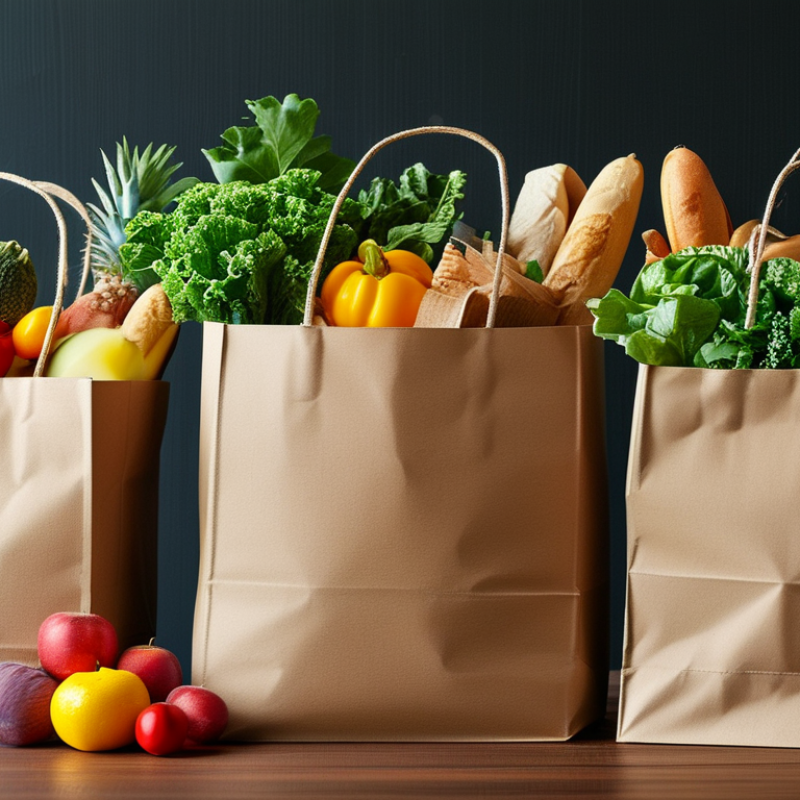
Understanding the Importance of Paper Grocery Bags for Businesses
Paper grocery bags are becoming essential for businesses today. They provide a sustainable alternative to plastic bags and cater to eco-conscious consumers. According to the 2022 Eco-Friendly Packaging Market Analysis, the demand for paper packaging is projected to grow by 5.4% annually. This shift indicates that businesses must adapt to market trends.
Choosing the right paper bags can significantly enhance customer perception. Research shows that 70% of consumers favor businesses that use eco-friendly packaging. Paper bags can also be customized, allowing businesses to strengthen their brand identity. Integrating logos and designs on these bags can create a more impactful customer experience. Yet, not all brands utilize this marketing opportunity. Many still rely on generic packaging, missing potential engagement.
The durability of paper bags is another key factor. While they may not be as sturdy as plastic, proper selection can prevent issues. A report from the Sustainable Packaging Coalition states that 30% of paper bags fail under heavy loads due to improper quality. Businesses should assess their needs carefully to avoid product damage. Balancing aesthetics, sustainability, and functionality is crucial for maximizing the benefits of paper grocery bags.
Top Tips for Choosing Paper Grocery Bags for Your Business
This chart illustrates the importance of various factors when choosing paper grocery bags for a business. The ratings reflect the significance of size options, thickness, and eco-friendliness based on general business needs. A higher score indicates a greater importance in the decision-making process.
Evaluating Different Types of Paper Grocery Bags Available
When evaluating different types of paper grocery bags, consider the material's strength and sustainability. Kraft paper bags are a popular choice because they are durable and biodegradable. They can hold heavier items without tearing easily. Look for bags with reinforced handles for extra support. Some bags offer a flat bottom, allowing them to stand upright.
Flat and square bags have their advantages too. They provide more space for packaging and items. However, these bags might not be as sturdy as Kraft options. Evaluate your product range when selecting bag types. For lighter groceries, a standard paper bag might suffice. For bulkier items, a more robust design is necessary.
Take into account the aesthetics of your bags. Custom prints can enhance your brand's visibility. But, this raises questions about costs. Balancing quality and affordability can be challenging. Your choice should reflect your business's values, whether that's eco-friendliness or professional presentation. Reflect on your bag selection regularly to ensure it meets your customers' needs.
Key Factors to Consider When Choosing Paper Grocery Bags
When choosing paper grocery bags for your business, consider durability as a top factor. High-quality paper ensures that bags can hold heavy items without tearing. Look for bags made from thicker materials. They can handle more weight and resist wear during transport. This can reduce waste and save costs over time.
Next, think about the size and design of the bags you need. Different products require different bag dimensions. Wider bags might be better for bulky items, while smaller bags can work for lighter goods. A personalized design can also enhance your brand presence. However, ensure the design doesn’t compromise the bag’s strength.
Sustainability is increasingly important. Consumers prefer eco-friendly options. Check if the paper comes from recycled sources. Certifications from relevant organizations can help reassure customers. Balancing quality with environmental responsibility might require research and adjustments. This process isn’t always straightforward. It’s essential to weigh costs against benefits carefully.
Top Tips for Choosing Paper Grocery Bags for Your Business
| Criteria |
Description |
Considerations |
| Material Type |
The kind of paper used (e.g., kraft, recycled). |
Eco-friendliness, durability, and cost. |
| Size Options |
Different sizes for various types of products. |
Choose sizes based on product range and customer needs. |
| Handle Style |
Options include flat paper, twisted, or die-cut handles. |
Comfort and usability for customers. |
| Strength & Durability |
Ability to hold weight and withstand handling. |
Test weight capacity to prevent tearing. |
| Customization Options |
Printing options for branding and design. |
Impact on marketing and initial costs. |
| Sustainability |
Source materials and recyclability. |
Consider consumer preferences for eco-friendly products. |
| Cost |
Price per bag based on material and features. |
Balance between quality and budget constraints. |
Sustainability and Environmental Impact of Paper Bags
When selecting paper grocery bags, it's essential to consider their environmental impact. Paper bags are often seen as a more sustainable choice. They are biodegradable and recyclable, which can significantly reduce landfill waste. However, the production process also plays a crucial role. Harvesting trees for paper production contributes to deforestation.
Additionally, the energy consumed in manufacturing and transporting these bags can be substantial. Not all paper bags are created equal. Some may use harmful chemicals in the manufacturing process. This can negate their eco-friendly benefits. It's important to seek bags made from recycled paper or sustainably sourced materials.
Educating customers about these factors can enhance your business’s credibility. Transparency about the bags you choose builds trust. Offer information on how your bags are produced and their lifecycle. By choosing wisely, you can promote sustainability while addressing customer concerns about environmental impact.
Cost Analysis: Budgeting for Paper Grocery Bags in Your Business
When budgeting for paper grocery bags, it’s crucial to consider both initial costs and long-term value. Prices can vary widely based on quality and design. Basic brown bags are often cheaper, but they may not represent your brand well. Investing in custom-printed bags may have a higher upfront cost, yet they can enhance brand visibility. This factor is significant for small businesses competing against larger stores.
Balancing cost and quality is essential. Consider the durability of the bags. Flimsy bags can frustrate customers. They may lead to additional costs if replacements are needed. Evaluate your sales volume to estimate how many bags you will need. Overordering can tie up cash flow. Underordering may affect customer experience.
Don't forget about sourcing options. Local suppliers can offer quick turnarounds and support your community. However, they might have higher prices. Research is vital to find the right partner. The decision should reflect your brand’s ethos and budget constraints. Each choice shapes customer perceptions, so weigh each option carefully. It’s an ongoing process that requires reflection and adjustment.





 WeChat QR
 WhatsApp QR