How to Choose the Best Paper Grocery Bags for Your Needs?
Choosing the right paper grocery bags can significantly impact your shopping experience. Paper grocery bags are eco-friendly, sturdy, and versatile. They are more sustainable than plastic alternatives. However, selecting the best option requires careful consideration.
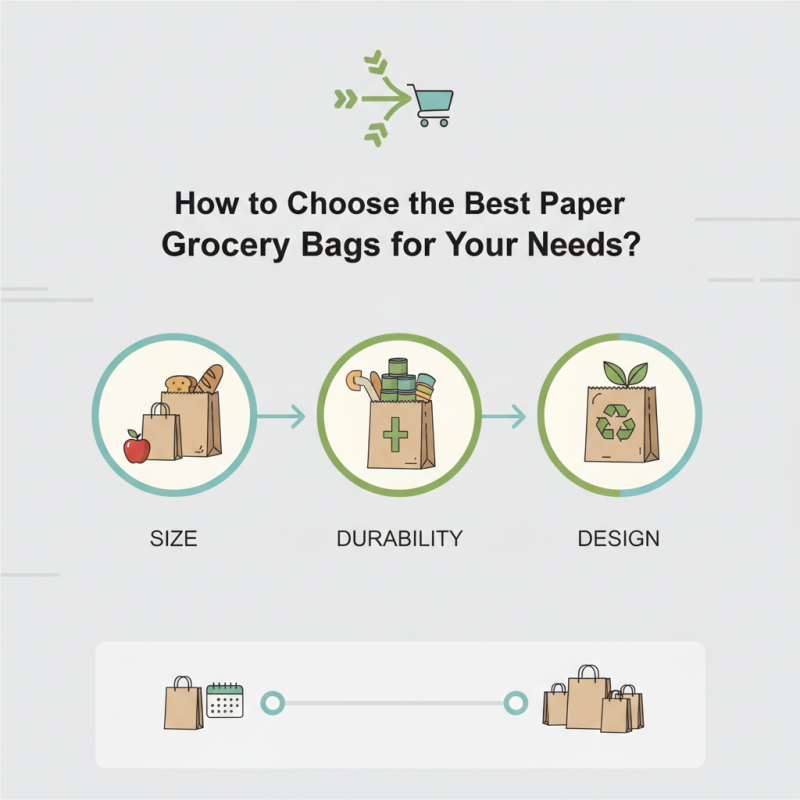
Pay attention to size, durability, and design. Different bags serve distinct purposes. A small bag is convenient for light purchases. Larger bags are ideal for bulk items. Quality matters, too; flimsy bags can break easily. Look for options made from recycled materials. They not only help the environment but also often provide better strength.
Reflect on your shopping habits. Do you buy groceries weekly or only occasionally? Your needs will dictate the type of paper grocery bags to choose. Make informed choices to ensure you pick the best ones for your lifestyle.
Factors to Consider When Choosing Paper Grocery Bags
When choosing paper grocery bags, consider several key factors.
The strength of the paper is essential. According to a report by the
Paper and Paperboard Packaging Environmental Council,
high-strength paper can hold up to 20 pounds without tearing. This is crucial for shopping trips that involve heavier items.
Additionally, the size of the bags matters. Many consumers overlook this detail. A study by the
Paper Association indicated that
standard paper grocery bags usually measure around 12x7x17 inches. Larger bags can accommodate bulk purchases, while smaller ones may suffice for quick trips.
Lastly, think about the environmental impact. Many paper bags are recyclable and biodegradable. As per the
U.S. Environmental Protection Agency,
recycling paper reduces landfill waste by over 65%. In this context,
selecting bags made from recycled content can amplify your positive environmental footprint. However, not all paper bags are created equal.
Quality can vary significantly, making it worthwhile to research materials and sourcing.
Consider all these factors to find the bag that aligns with your needs and values.
Different Types of Paper Grocery Bags Available
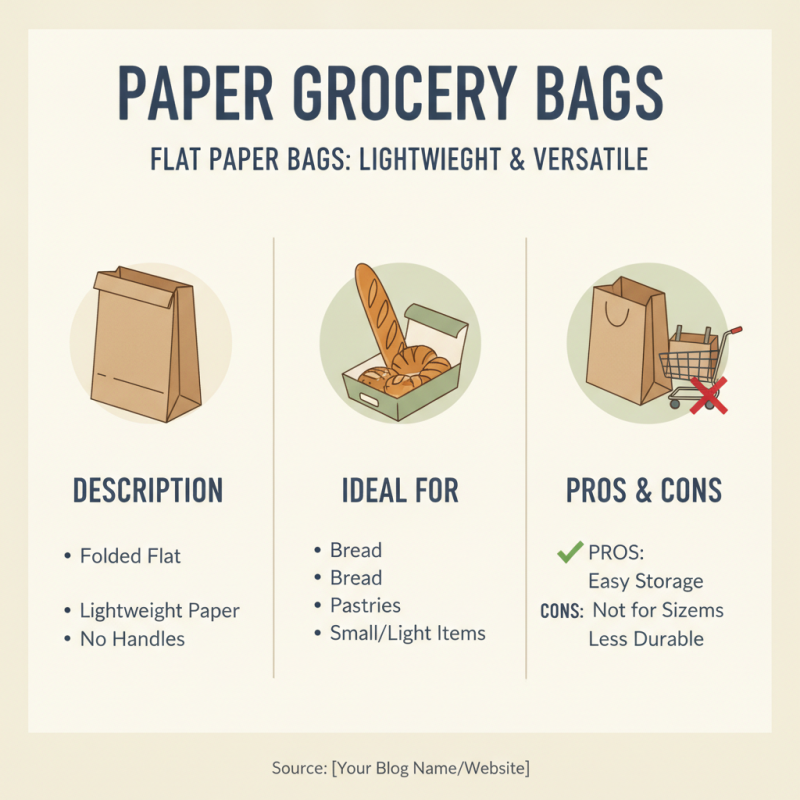
When selecting paper grocery bags, understanding the different types available is essential. One common type is the flat paper bag. It’s lightweight and ideal for lightweight items like bread or pastries. These bags come in various sizes and are easy to store. However, they may not hold up well for heavier groceries.
Another popular option is the brown kraft paper bag. These bags are sturdier and often come with handles. They're great for carrying bulky items. The thickness ensures that they can handle weight without tearing. Yet, they might crumple or lose shape if not properly packed.
Lastly, there are recycled paper bags, which are eco-friendly choices. They come with a unique texture and can often carry more weight than regular paper bags. However, some may find the quality inconsistent due to varying manufacturing processes. Choosing the right bag requires considering your shopping habits and the types of items you purchase regularly.
Assessing the Environmental Impact of Paper Grocery Bags
The environmental impact of paper grocery bags is a crucial aspect to consider. Many consumers opt for paper bags, believing they are more eco-friendly than plastic. However, a comprehensive assessment reveals a more nuanced picture. According to a study published by the U.S. Environmental Protection Agency, producing paper bags generates about three times more greenhouse gases than plastic bags. This data can surprise those who prioritize sustainability.
Another factor to consider is the lifecycle of paper bags. While they are biodegradable, their production requires significant energy and water. A report from the World Wildlife Fund indicates that manufacturing paper bags consumes about four times more water than creating plastic ones. This consumption can strain local water resources, especially in arid regions. The transportation of these bags also adds to their carbon footprint.
Recycling rates for paper bags are often lower than expected. The American Forest & Paper Association notes that only 60% of paper products are recycled in the U.S. This implies that many paper bags end up in landfills, where they contribute to methane emissions during decomposition. Reflecting on these issues can lead to more informed choices. Reducing overall consumption and reusing bags can enhance your environmental stance.
Determining the Right Size and Strength for Your Needs
Choosing the right size and strength of paper grocery bags is crucial for effective shopping. Industry data indicates that nearly 40% of consumers prefer bags that can hold heavier items. When selecting paper bags, consider your usual purchases. Larger bags are ideal for bulk items, while smaller ones work better for light groceries.
Tip: Always check the weight capacity of the bags. A typical grocery bag can hold around 10-15 pounds. If you plan to carry heavier products, opt for reinforced options. Additionally, research shows that paper bags with a flat bottom provide better stability, making them easier to load.
Understanding the materials used in paper bags is equally important. Bags made from recycled paper can be strong and eco-friendly. However, some may lack the durability needed for heavier loads. You may need to compromise on aesthetics for strength. Remember, not all bags are created equal. Testing a bag before use can save you from potential spills during a shopping trip.
How to Choose the Best Paper Grocery Bags for Your Needs?
This chart illustrates the relationship between the size of paper grocery bags and their weight capacity, helping you determine the right choice for your needs.
Cost Considerations and Budgeting for Paper Grocery Bags
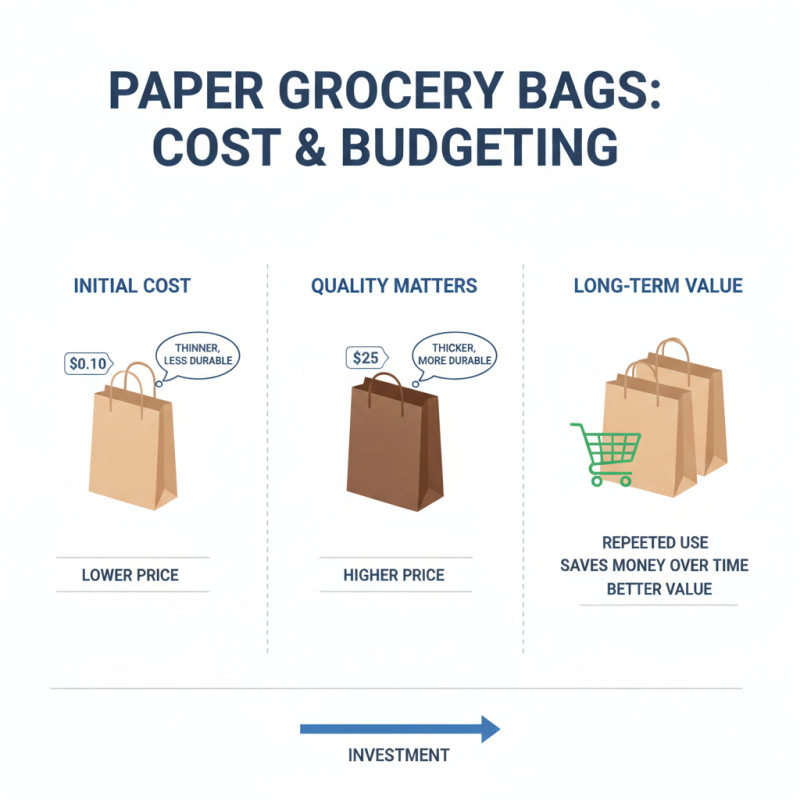
When selecting paper grocery bags, cost considerations are crucial. Prices can vary significantly based on material quality and bag size. Some bags are thicker and more durable, which tend to be pricier. However, investing in higher-quality bags can save money in the long run, as they endure repeated use. Think about the frequency of your shopping trips. A heavier bag might cost more upfront but offers better value over time.
Budgeting for paper bags requires careful planning. It's important to factor in how many you need weekly. If you shop frequently, consider purchasing in bulk. This can lower the cost per bag, making it more economical. Don’t overlook the importance of bag design. A well-structured bag can hold more items and reduce the risk of tearing. Sometimes, a stylish design may come at a premium, but it might be worth it for brand image or personal preference.
Consider potential hidden costs, such as delivery fees if ordering online. Sometimes, cheaper options look appealing at first but lack durability. Reflect on the environmental impact as well. Opting for sustainable options can benefit both the planet and your budget in the long term. Balancing cost and quality is essential, as it can significantly influence your shopping experience and overall satisfaction.




 WeChat QR
 WhatsApp QR