What are Large Paper Bags and Why Should You Use Them?
In today's eco-conscious world, Large Paper Bags have emerged as a versatile and sustainable packaging solution. According to Dr. Emily Carter, a leading expert in sustainable packaging, "Large Paper Bags not only reduce waste but also elevate brand image." This highlights the dual benefits of choosing this eco-friendly option.
These bags serve various industries, from retail to food services. Their durability makes them suitable for carrying heavier items, unlike conventional plastic bags. Additionally, Large Paper Bags offer a blank canvas for branding. Companies can print logos and designs, increasing visibility. This tactile material also enhances customer experience—a simple act of carrying a well-designed bag can foster a sense of brand loyalty.
Despite the numerous advantages, it’s vital to consider the sourcing of paper. Not all paper is created equal. Poorly sourced paper may harm forests and wildlife. As consumers become more discerning, brands must ensure their bags are made from recycled or sustainably-sourced materials. This attention to detail can make a significant difference in the overall impact of Large Paper Bags on the environment.
What are Large Paper Bags?
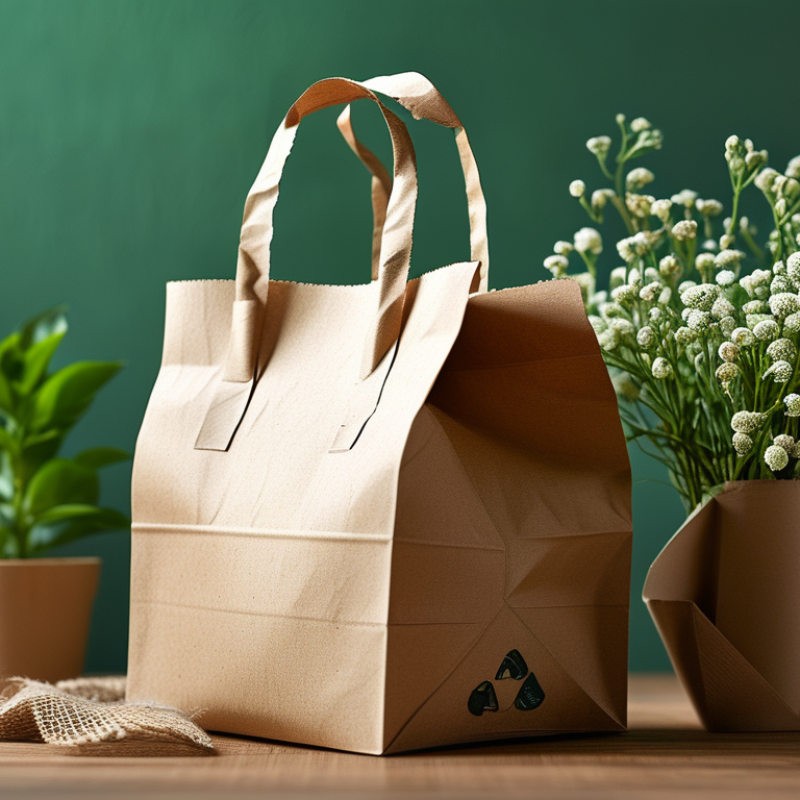
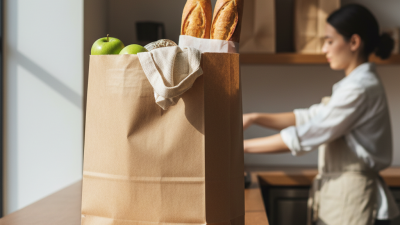
Large paper bags are versatile and eco-friendly packaging solutions. They are typically made from recycled paper and come in various sizes, suiting a range of purposes. These bags are durable, offering a reliable option for carrying items from groceries to gifts. According to a report by Freedonia Group, demand for paper bags is projected to grow more than 4% annually through 2024.
The appeal of large paper bags centers on their sustainability. The global shift towards environmental responsibility drives their use. A survey indicated that 72% of consumers prefer sustainable packaging options. This preference aligns with the increasing regulations against plastic bags in various regions. Consumers want packaging that reflects their values, and large paper bags meet that need.
Tip: When choosing large paper bags, consider the weight of the items. Ensure the bag can support the load without tearing. Additionally, customize bags with unique designs or logos for branding opportunities.
While large paper bags are often seen as superior to plastic, they are not without flaws. They are susceptible to water damage, limiting their practicality in some situations. Reflecting on this can help businesses choose the right packaging for their needs.
The Materials Used in Large Paper Bags
Large paper bags have become a popular choice for both retailers and consumers. The materials used in these bags primarily include kraft paper, which is known for its strength and durability. Kraft paper is made from wood pulp through a process that retains lignin, giving it unique properties. According to the Paper and Packaging Board, kraft paper can hold over 70% more weight than traditional paper, making it ideal for carrying heavy items.
The use of recycled materials is another crucial aspect. Many manufacturers now use recycled paper fibers to create large paper bags. This not only reduces waste but also helps in decreasing the carbon footprint associated with production. A report by the American Forest & Paper Association indicates that using recycled fibers can cut greenhouse gas emissions by up to 35%. However, the challenge remains in ensuring the quality of the recycled input, as mixed fibers can jeopardize the bag's strength.
While large paper bags are environmentally friendly, not all options are created equal. Some bags may contain additives or coatings that are not biodegradable. Consumers should look for certifications or labels indicating sustainability. The market is evolving, but there’s often confusion about what qualifies as ‘eco-friendly’. Transparency from manufacturers is vital to avoid greenwashing and ensure genuine sustainability claims.
What are Large Paper Bags and Why Should You Use Them? - The Materials Used in Large Paper Bags
| Material Type |
Description |
Environmental Impact |
Durability |
Best Uses |
| Kraft Paper |
Made from wood pulp, known for its strength and durability. |
Biodegradable and recyclable, lower environmental impact. |
Highly durable with good tear resistance. |
Retail shopping, food packaging, gifts. |
| Recycled Paper |
Made from post-consumer waste; eco-friendly option. |
Contributes to waste reduction, typically recyclable. |
Varies, generally good but may be less strong than virgin fiber bags. |
Promotional bags, retail, and event usage. |
| Glossy Paper |
Coated with a glossy finish for aesthetic appeal. |
Less eco-friendly due to coatings; check for recyclability. |
Moderately durable, but can tear easily if overloaded. |
High-end retail, gift stores, and promotional events. |
| Brown Paper |
Commonly used, contains no dyes for a natural look. |
Biodegradable; generally more sustainable than bleached options. |
Good durability for various uses. |
Grocery bags, craft bags, and packaging. |
Benefits of Using Large Paper Bags Over Plastic
Large paper bags are an eco-friendly alternative to plastic bags. They are made from renewable resources, making them biodegradable. Using large paper bags contributes to reducing plastic waste in landfills and oceans.
When you choose large paper bags, you enjoy a variety of benefits. For one, they are more durable than standard plastic bags. They can hold heavier items without tearing easily. This makes them ideal for shopping trips or carrying bulky goods. Additionally, they offer a better presentation for gifts and products.
Tips: To enhance your branding, consider adding custom designs to your large paper bags. This can elevate your business appeal. Always store paper bags in a cool, dry place to maintain their quality. Be mindful of moisture, as it can weaken the paper.
Using paper bags also fosters a sense of community responsibility. They encourage consumers to think about their environmental impact. However, it's crucial to understand the limitations of paper. They might not be as waterproof as plastic bags. A thoughtful approach ensures you use them effectively without compromising on practicality.
Applications of Large Paper Bags in Various Industries
Large paper bags have become essential in various industries, thanks to their versatility and eco-friendliness. In retail, they serve as an ideal packaging solution. Stores use these bags for groceries, clothing, and gifts. Customers appreciate their sturdiness and stylish appearance. They are often printed with logos, enhancing brand visibility. In bustling shops, large paper bags stand out, attracting attention even from a distance.
In the food industry, large paper bags are popular for takeout and catering services. They can hold heavy items without tearing. Many eateries choose them for their sustainability over plastic options. However, not all food establishments prioritize this change. Some still opt for plastic due to costs. This reflects a need for greater awareness about environmental impact.
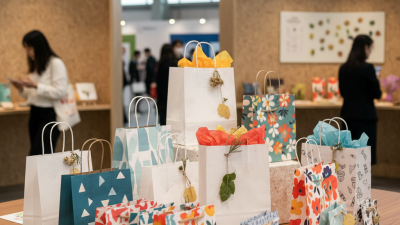
Moreover, large paper bags are used in events and conferences. They hold brochures, giveaways, and promotional items. Attendees receive them as a helpful tool for organization. Yet, there are challenges in maintaining quality. Heavy items can cause bags to sag or rip. It’s crucial for companies to invest in quality materials.
Environmental Impact of Large Paper Bags
Large paper bags are more than just carriers. They represent a shift towards sustainability in daily life. When used instead of plastic bags, they can significantly reduce waste. Every year, millions of plastic bags end up in oceans and landfills, harming wildlife and ecosystems. Paper bags, on the other hand, are recyclable and biodegradable. This natural decomposition is crucial for reducing environmental impact.
Choosing large paper bags can also help minimize your carbon footprint. The production of these bags often involves using renewable resources. Many paper bags are made from recycled materials, which decreases energy consumption. They offer a sturdy, reusable option that supports eco-friendly practices. Here are some tips for integrating large paper bags into your routine:
- Keep a few bags in your car. This makes them easily accessible for shopping.
- Use them for storage at home. They can hold items like toys or clothes.
- Encourage friends and family to switch from plastic to paper. Community support makes a big difference.
While large paper bags are beneficial, it’s essential to question their overall impact. Not all paper production practices are environmentally friendly. Be mindful of where your bags come from. Choosing bags from sustainably managed sources is key. The journey toward sustainability requires thoughtfulness and conscious choices.




 WeChat QR
 WhatsApp QR