Top Paper Grocery Bags Trends for 2026 What to Know?
As the demand for eco-friendly packaging continues to rise, the trend of using Paper Grocery Bags is evolving rapidly. According to a recent report by MarketResearchFuture, the global paper bag market is projected to grow at a compound annual growth rate (CAGR) of 4.92% from 2021 to 2026. This trend signifies a shift towards sustainable practices, reflecting consumer preferences for environmentally responsible products.
Expert in packaging sustainability, Dr. Emily Harris, emphasizes this shift, stating, “Consumers increasingly prefer products that offer both convenience and environmental benefits.” Paper Grocery Bags are not just a trend; they symbolize a broader commitment to reducing plastic waste. Many retailers are adopting these bags as part of their corporate social responsibility strategies. However, challenges remain. The production process must be evaluated to avoid overuse of resources, and not all Paper Grocery Bags are created equal in sustainability.
These dynamics indicate an urgent need for brands to innovate while considering the lifespan and recyclability of their packaging. As we approach 2026, adapting to these Paper Grocery Bags trends could determine a brand's success. Finding the balance between practicality and environmental responsibility is essential for future growth.
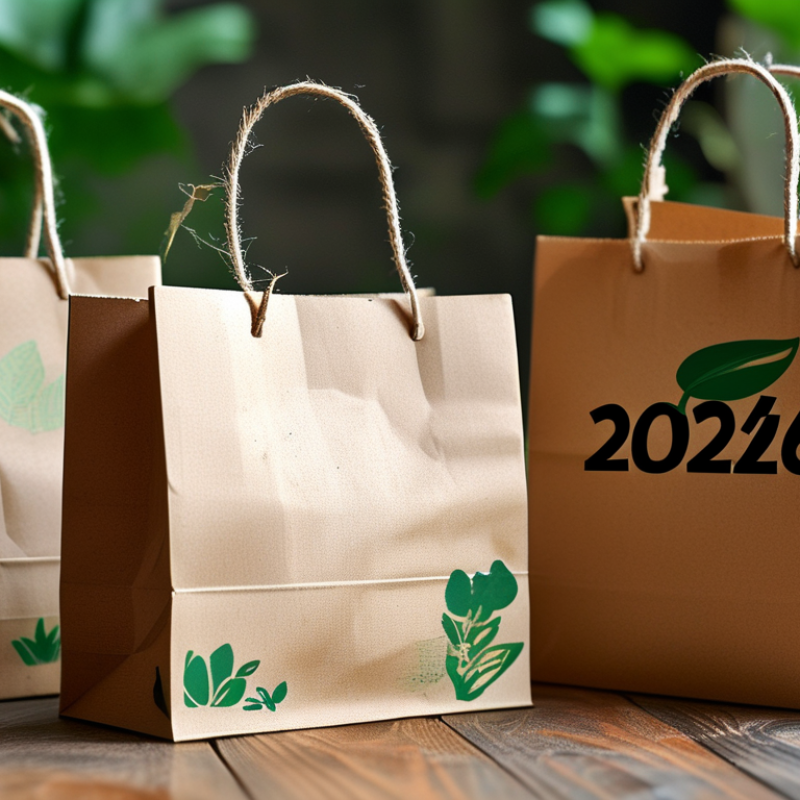
Emerging Materials for Sustainable Paper Grocery Bags in 2026
As sustainability gains momentum, the paper grocery bag industry is evolving with innovative materials. In 2026, emerging materials will play a crucial role in creating more sustainable options. For instance, agricultural waste and recycled fibers are being integrated into production. These materials not only reduce waste but also enhance the strength and durability of the bags.
Tips: Always check if the bags are made from renewable resources. Look for certifications that ensure environmental sustainability. This extra step makes a difference.
One of the key trends is biodegradable coatings. These are replacing traditional plastic liners, which often end up in landfills. Biodegradable options can decompose naturally, aligning with eco-conscious practices. However, it is essential to recognize that not all biodegradable materials break down as intended in different environments.
Tips: Educate yourself about the disposal of these bags. Understand local recycling and composting guidelines for proper endings. Ensure that your choices contribute to a circular economy.
Emerging technologies will also enhance the production process, reducing carbon footprints. The future looks promising, with exciting developments potentially reshaping our approach to grocery shopping. However, constant scrutiny on these advancements is necessary to ensure they align with genuine sustainability goals.
Innovative Designs and Features of Grocery Bags to Watch Out For
As we look ahead to 2026, the grocery bag industry is embracing innovative designs that prioritize sustainability and functionality. One trend gaining traction is the use of biodegradable materials. These bags break down naturally, reducing plastic waste. Consumers are becoming more conscious of their choices, seeking bags that lessen their environmental footprint. It's a step in the right direction, but the effectiveness of these materials in various climates remains a topic for debate.
In addition to eco-friendly materials, grocery bags are incorporating advanced features. Look for those with reinforced handles and extra compartments. These enhancements improve usability and make carrying groceries easier. However, some designs may compromise on size and capacity. Balancing functionality with sustainability can be challenging. There's also a push for aesthetically pleasing designs. Bright colors and patterns are becoming popular, appealing to younger shoppers. Yet, one must ask: do these designs prioritize aesthetics over practicality? The evolving landscape of grocery bags presents exciting possibilities, but it also invites reflection on our values as consumers.
Consumer Preferences and Demands Influencing Bag Trends in 2026
As we move towards 2026, consumer preferences play a crucial role in shaping paper grocery bag trends. Research shows that 70% of shoppers prefer sustainable packaging options. This statistic reflects a growing awareness of environmental issues. Many consumers are now willing to pay more for eco-friendly products, driving brands to innovate in materials and design.
Data from industry reports indicate that 55% of adults are actively reducing plastic usage in their shopping habits. This shift influences the demand for biodegradable paper bags. Designers are now focusing on durability while maintaining aesthetic appeal. The push for stylish yet functional bags is evident, as 80% of shoppers consider the visual design important.
However, not all trends are flawless. Many brands struggle to balance cost and sustainability. Some paper bags still lack sufficient strength, which frustrates consumers. Additionally, the market can be saturated with subpar options, leading to confusion. Continuous refinement of materials and design processes is essential for meeting consumer expectations effectively.
Top Paper Grocery Bags Trends for 2026
Impact of Environmental Regulations on Paper Bag Industry Developments
Environmental regulations are shaping the paper bag industry significantly. In recent years, governments have implemented stricter laws aimed at reducing plastic waste. These regulations encourage businesses to shift to paper products. This change is not always straightforward. Some manufacturers face challenges in sourcing sustainable materials that meet regulatory standards.
As companies adapt, they must also navigate a competitive market. The demand for eco-friendly options is growing, but so are the challenges. Sourcing renewable materials can be more expensive. The cost implications often lead to debates within companies. Balancing affordability and sustainability remains a delicate task.
Emerging technologies and innovations may provide solutions. Research into more efficient manufacturing processes shows promise. These advancements could lower costs and improve the quality of paper bags. However, the industry needs to make significant strides. Ongoing assessments of environmental impacts are crucial. The road ahead is complex, filled with both opportunities and obstacles.
Future Marketing Strategies for Paper Grocery Bags and Brands
As we approach 2026, marketing strategies for paper grocery bags are evolving rapidly. Brands are increasingly focusing on sustainability. A report by Smithers indicates that the global market for paper bags is projected to reach $4.5 billion by 2025. This surge is driven by the growing preference for eco-friendly products. Consumers are becoming more aware of the environmental impact of plastic bags. They seek effective alternatives, making paper grocery bags more appealing.
To capitalize on this trend, brands need to enhance their storytelling. Packaging is key to conveying a brand's commitment to sustainability. Unique designs and informative graphics can engage customers. According to a study by Research and Markets, 55% of consumers prefer brands that showcase eco-conscious efforts on their packaging. Incorporating QR codes can also direct consumers to sustainability initiatives. This interaction fosters brand loyalty and trust.
However, challenges remain. Brands must navigate the balance between cost and quality. Paper grocery bags can be more expensive than plastic. Ensuring durability while maintaining a price point can be tricky. Additionally, the production process itself may raise environmental concerns. Continuous improvement in supply chain practices is essential for credibility. Brands must reflect on these aspects to present a truly sustainable image.



 WeChat QR
 WhatsApp QR