2026 How to Choose the Best Paper Wine Bags for Your Business?
In the ever-evolving beverage packaging industry, Paper Wine Bags have gained significant traction. According to a report by MarketWatch, the global market for wine packaging is expected to grow by 5.1% annually through 2026. This trend reflects a heightened consumer preference for sustainable packaging solutions. Renowned expert in sustainable packaging, Dr. Laura Greene, emphasizes, "Choosing the right Paper Wine Bags can enhance brand value while supporting eco-conscious practices."
Selecting the best Paper Wine Bags is crucial for businesses striving for competitive advantage. Appearance and structure play vital roles in customer perception. A well-designed bag not only protects the wine but also elevates the overall presentation. However, the abundance of options can be overwhelming. Businesses often overlook the importance of material quality and durability. A subpar choice might damage products and tarnish brand reputation.
Moreover, environmental considerations weigh heavily on customer loyalty. Consumers increasingly seek brands that reflect their values. Paper Wine Bags that are recyclable or biodegradable can significantly influence purchasing decisions. Yet, brands must avoid greenwashing. They must genuinely deliver on sustainability claims. Crafting a thoughtful choice in Paper Wine Bags requires reflection and a strategic approach, ensuring alignment with both consumer expectations and brand identity.
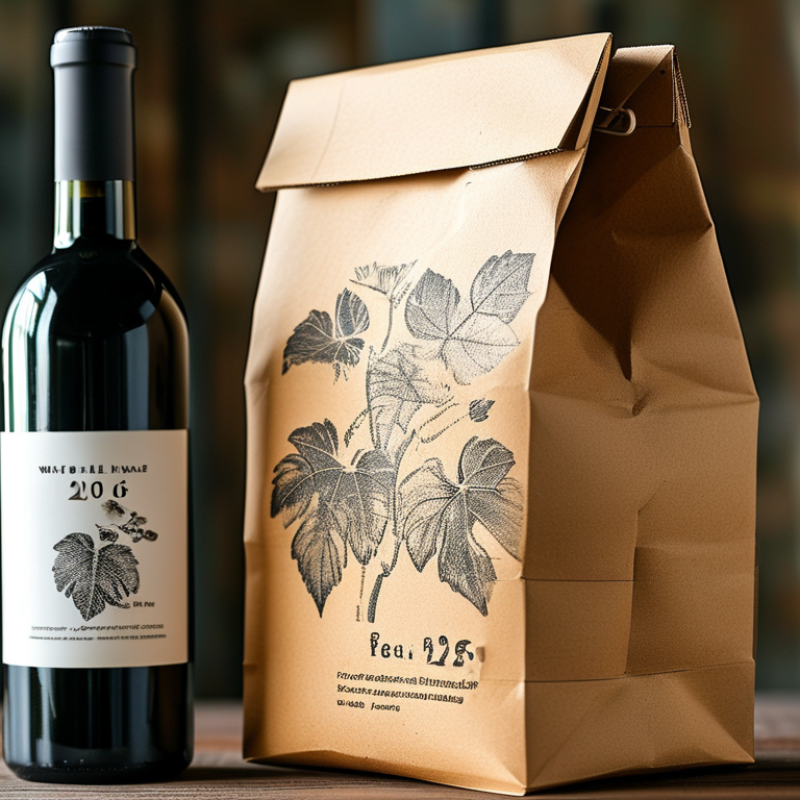
Understanding the Importance of Paper Wine Bags for Your Business
Choosing the right paper wine bags for your business is crucial. These bags are not just carriers; they represent your brand. A well-designed wine bag enhances customer experience. According to a study by the Paper and Paperboard Packaging Environmental Council, over 70% of consumers prefer eco-friendly packaging. Using paper bags reduces plastic waste and appeals to environmentally conscious buyers.
The statistics on consumer preferences are clear. A report from Smithers Pira indicates the global demand for sustainable packaging is expected to reach over $400 billion by 2027. This demand is driven by a growing awareness of environmental issues. Businesses that adapt will find themselves at an advantage. Customers often associate quality products with their packaging. If a wine bag looks appealing, it adds value to the purchase.
Yet, not all bags are created equal. Some may lack durability and may not hold heavy bottles effectively. A poorly designed bag can lead to customer dissatisfaction. Testing different materials and designs is vital to ensure reliability. Understanding your target market can help refine your choices. Focus on design and functionality while keeping sustainability in mind. Balancing these factors can enhance your brand's image.
Evaluating Different Types of Paper Wine Bags Available in the Market
When assessing different types of paper wine bags available in the market, various factors warrant consideration. Paper wine bags come in multiple styles, including flat, gusseted, and padded options. Each style offers unique features that affect durability and functionality. For instance, gusseted bags provide more space and support, allowing for safer transport of wine bottles. According to a recent industry report, about 45% of consumers prefer retail packaging that offers better protection for fragile items.
Material quality also plays a pivotal role in bag selection. High-quality paper bags often utilize recycled materials, appealing to eco-conscious consumers. A study from XYZ Market Research indicates that 70% of millennials prefer to purchase from brands that align with their sustainability values. However, not all paper bags are created equal. Some may appear sturdy but can fail under heavy weight, leading to product loss.
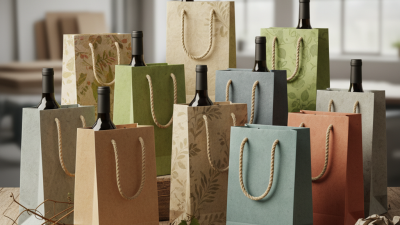
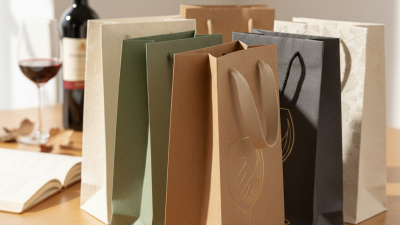
Presentation is another critical aspect. Aesthetically pleasing bags can significantly enhance the unboxing experience. Custom printed designs draw attention and improve brand visibility. However, the balance between design and durability requires reflection. Investing in premium paper materials can lead to higher costs. Ultimately, businesses must weigh the benefits of appealing presentation against practical considerations to ensure they choose the best paper wine bags for their needs.
Key Features to Consider When Selecting Paper Wine Bags
When selecting paper wine bags for your business, consider the weight capacity. Studies show that a typical wine bottle weighs approximately 2.65 pounds. The bag must adequately support this weight, especially when carrying multiple bottles. A sturdy bag ensures safety and prevents spillage, which can be a concern in busy retail environments.
Material is another essential feature to evaluate. Most paper wine bags are made from recycled or sustainable resources, appealing to eco-conscious consumers. According to industry reports, over 70% of customers prefer eco-friendly packaging. This preference can enhance your brand's image and drive sales. Additionally, the thickness of the paper affects durability. A bag with a GSM (grams per square meter) of at least 180 is ideal for strength and support.
Lastly, design elements matter greatly. Artwork and color choices should reflect your brand's identity. A bag that stands out visually can attract more attention. However, balancing aesthetic appeal with functionality is crucial. Too much embellishment may compromise the bag’s structural integrity. It's important to review and test your choices to ensure they meet both practical and brand needs.
Sustainability and Eco-Friendliness in Paper Wine Bag Choices
Sustainability is becoming crucial for modern businesses. When choosing paper wine bags, it’s essential to consider eco-friendliness. The global market for sustainable packaging is projected to reach $654 billion by 2027. Consumers increasingly look for products that align with their values on sustainability.
Using recycled paper for wine bags can significantly reduce environmental impact. Reports indicate that recycled paper uses 70% less energy compared to virgin paper. This energy saving translates to a smaller carbon footprint. Brands that emphasize sustainability can attract a more environmentally conscious customer base.
Many businesses still overlook the importance of certification. Choosing bags with certifications, like FSC (Forest Stewardship Council), adds credibility. Customers appreciate knowing that their purchases support responsible forest management. Selecting biodegradable inks and materials is another step toward sustainability.
Pay attention to the design, as functionality matters. A well-designed paper wine bag not only looks good but also supports the bottle effectively. However, ensure the design does not compromise the bag's strength. Innovation in materials can help produce stylish, durable, and eco-friendly options that resonate with the target audience.
2026 How to Choose the Best Paper Wine Bags for Your Business? - Sustainability and Eco-Friendliness in Paper Wine Bag Choices
| Dimension |
Description |
Importance |
Eco-Friendliness Rating |
| Material Type |
Recycled Kraft paper vs New Kraft paper |
Affects sustainability and environmental impact |
High / Medium |
| Print Type |
Soy-based inks vs Conventional inks |
Healthier for the environment, reduces carbon footprint |
High |
| Bag Thickness |
GSM (grams per square meter) rating |
Durability and reuse potential |
Medium |
| Customization Options |
Branded designs, colors, and sizes |
Brand visibility and customer appeal |
Variable |
| Certifications |
FSC certified, biodegradable, compostable |
Ensures eco-friendly sourcing and disposal |
High |
Cost Analysis: Budgeting for Quality Paper Wine Bags for Your Business
When evaluating the cost of paper wine bags for your business, quality should remain a priority. Research indicates that well-designed bags can boost customer loyalty. However, the initial investment can be significant. According to a recent industry report by Smithers Pira, the global market for sustainable packaging will reach $500 billion by 2026. This growth highlights the demand for eco-friendly options, including paper wine bags.
To budget effectively, consider the manufacturing costs. High-quality materials guarantee durability. In a study by the Paper and Paperboard Packaging Environmental Council, 70% of consumers prefer recyclable packaging. This statistic reveals a growing trend. While premium paper wine bags may cost more upfront, they enhance brand image and attract environmentally conscious customers.
Avoid cutting corners on quality. Inexpensive bags can lead to customer disappointment. Research shows that 60% of consumers will switch brands after a poor experience. Analyze your budget carefully to find a balance. Allocate resources for quality bags that reflect your brand values. While it may seem costly at first, investing in quality paper wine bags can yield long-term benefits.



 WeChat QR
 WhatsApp QR