Top 10 Paper Wine Bags in China for Eco Friendly Packaging Solutions?
As sustainability becomes a pressing issue, many companies are seeking eco-friendly packaging solutions. Among these, Paper Wine Bags have risen in popularity in China. These bags not only serve a practical purpose but also align with environmental values. Their biodegradable nature appeals to eco-conscious consumers.
The transition to Paper Wine Bags represents a significant shift. Traditional plastic bags contribute to pollution and waste. In contrast, paper options offer a sustainable alternative. They reduce harmful environmental impacts while maintaining style and functionality. Many brands now prioritize these eco-friendly choices.
While Paper Wine Bags are celebrated for their benefits, the industry faces challenges. Quality control can vary across suppliers. Additionally, some consumers may still prefer plastic due to perceived durability. The journey to widespread acceptance of paper alternatives requires ongoing education and awareness. Embracing Paper Wine Bags can be a step toward a greener future.
Top Characteristics of Eco-Friendly Paper Wine Bags
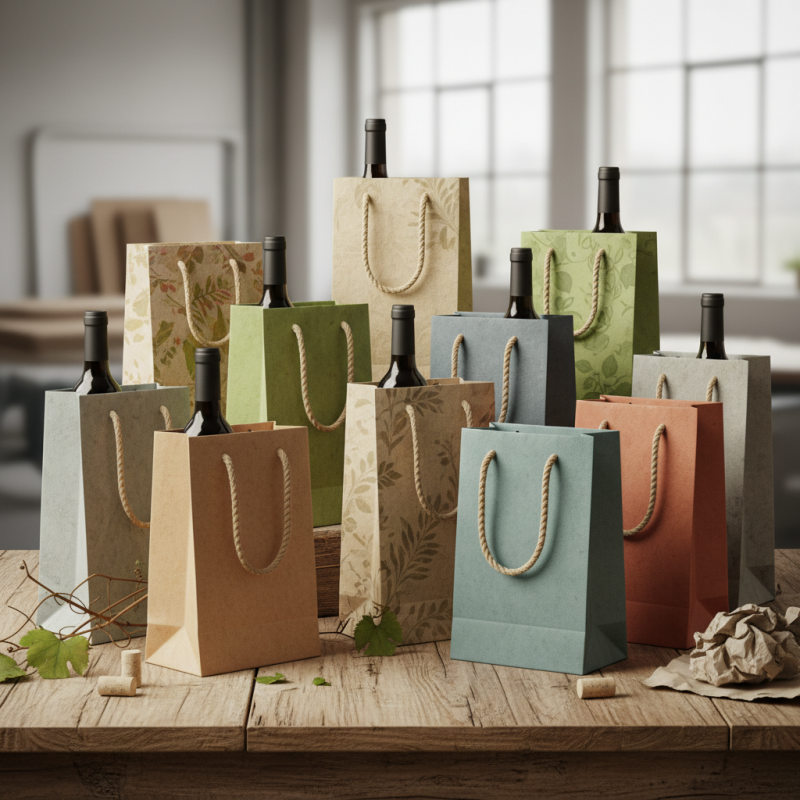
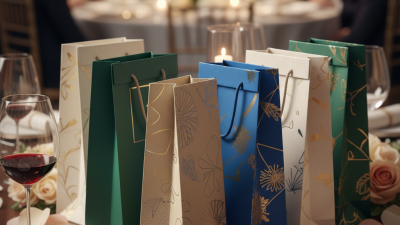
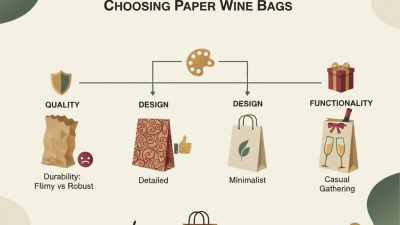
When choosing eco-friendly paper wine bags, several characteristics stand out. The material used is vital. High-quality recycled paper is preferred for its strength and sustainability. These bags often feature durable handles for easier carrying. The design can be minimalist while still being attractive, appealing to the environmentally conscious consumer. Bright colors and intricate designs can divert attention from their eco-friendly nature.
A notable aspect of these bags is their versatility. Some are reusable, encouraging customers to support sustainable practices. Additionally, many can be printed with unique designs, making them suitable for various occasions. However, not all eco-friendly bags are created equal. Some may lack the durability needed for multiple uses. It's essential to assess the thickness and quality of the paper to ensure they hold up over time.
Many companies are committed to reducing environmental impact. Still, some products may fall short in providing reliable alternatives. It's essential to research to find bags that truly meet eco-friendly standards. Finding the right balance between aesthetics and functionality can be a challenge, but it is crucial for building a responsible brand image in today's market.
Top 10 Paper Wine Bags in China for Eco Friendly Packaging Solutions
| Dimension |
Material Type |
Recyclability |
Design Features |
Weight Capacity |
| 12 x 4 x 15 inches |
Kraft Paper |
Yes |
Eco-friendly ink printing |
3 kg |
| 10 x 3 x 12 inches |
Recycled Paper |
Yes |
Natural fiber handles |
2.5 kg |
| 11 x 4 x 14 inches |
Organic Paper |
Yes |
Customizable prints |
3.2 kg |
| 10 x 5 x 13 inches |
Biodegradable Paper |
Yes |
Water-resistant coating |
3.5 kg |
| 13 x 6 x 16 inches |
Heavy-duty Paper |
Yes |
Reinforced bottom |
4 kg |
Benefits of Using Paper Wine Bags for Sustainable Packaging
Paper wine bags are gaining popularity for their eco-friendly benefits. They provide a sustainable alternative to plastic packaging. Made from renewable resources, these bags help reduce environmental impact. They can be recycled easily, making them a great choice for eco-conscious consumers.
Using paper wine bags sends a strong message about sustainability. These bags offer a unique and elegant presentation for wine products. Many consumers appreciate the tactile experience of paper over plastic. However, the strength of paper varies and some might complain about durability. Choosing the right thickness is crucial for effective packaging.
Organizations are increasingly opting for paper wine bags. This choice supports eco-friendly practices and appeals to a growing market. People are becoming more aware of the importance of sustainability. However, awareness about paper sourcing is also essential. The industry must address concerns regarding deforestation and ensure responsible sourcing practices.
Popular Brands Offering Paper Wine Bags in China
In recent years, the demand for eco-friendly packaging has surged. Paper wine bags have become popular for their sustainability and aesthetic appeal. Many popular brands in China are now offering innovative paper wine bags that meet both consumer preferences and environmental standards. These brands emphasize recyclable materials, prints that use soy-based inks, and sturdy designs to handle different bottle weights.
Some brands focus on unique designs to attract attention. These bags often feature intricate patterns or local artwork, making them not just functional but also stylish. This adds an artistic element, making customers feel more connected to the product. However, not all brands invest adequately in quality. Some bags may lack durability, leading to concerns over reliability during transportation. There's a need for improvement in material sourcing and strength testing among certain manufacturers.
Additionally, while paper wine bags are a step towards reducing plastic waste, they still require careful sourcing of sustainable pulp. The balance between aesthetics and eco-friendliness can often be tricky. Brands should continuously assess their practices to ensure they minimize their environmental impact. Consumers can encourage positive change by supporting those brands that genuinely prioritize eco-conscious values in their production processes.
Design Trends in Eco-Friendly Wine Packaging Solutions
Eco-friendly wine packaging is gaining traction in China. With more consumers prioritizing sustainability, the design trends reflect this shift. Paper wine bags are becoming a popular choice. They offer not just an eco-friendly solution but also a stylish appearance. The aesthetics of these bags are evolving, incorporating vibrant colors and intricate patterns. Many designs reflect traditional Chinese art, adding cultural value.
Simplicity is another trend. Minimalist designs with clean lines and subtle hues appeal to environmentally conscious buyers. These bags often feature biodegradable inks and recyclable materials. However, the challenge lies in balancing aesthetics and functionality. Some designs may not be as sturdy, risking damage during transport. A careful approach is needed to ensure durability while maintaining an eco-friendly stance.
Innovation is key in this market. Many designers experiment with textures and finishes. Some bags now have a soft-touch feel or a unique, tactile element. This enhances the unboxing experience for consumers, making it more memorable. However, brands must also consider sourcing materials responsibly. This can sometimes be a difficult balance to achieve, as not all eco-friendly materials are equally accessible or affordable.
Top 10 Paper Wine Bags in China for Eco-Friendly Packaging Solutions
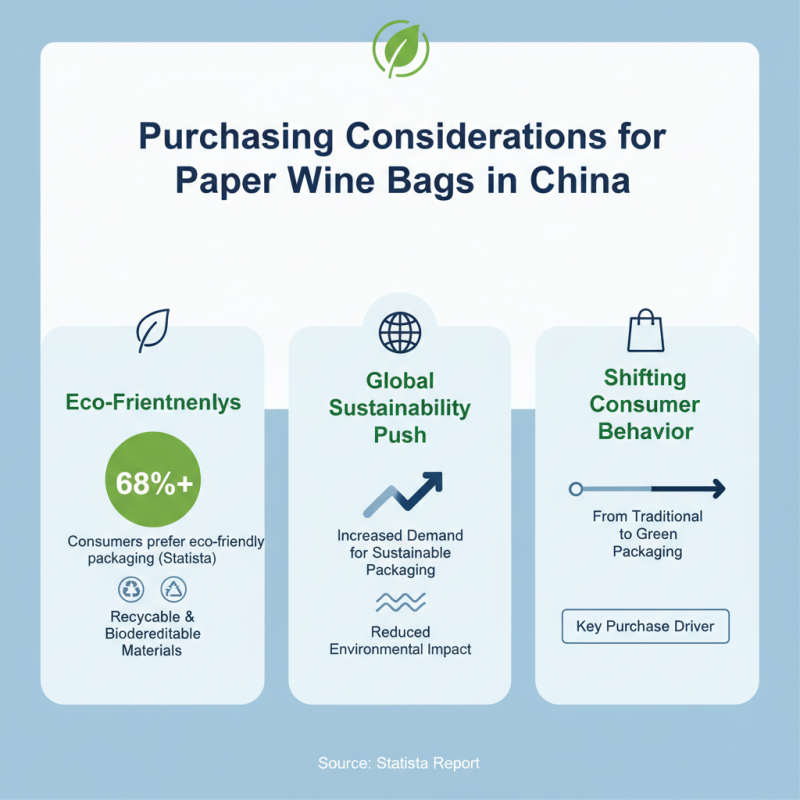
Purchasing Considerations for Paper Wine Bags in China
When considering paper wine bags in China, eco-friendliness is a top priority. The global push for sustainable packaging has increased demand for these products. According to a recent report from Statista, over 68% of consumers prefer eco-friendly packaging, showcasing a significant shift in purchasing behavior. The materials used in these bags must be recyclable and biodegradable, ensuring minimal environmental impact.
A key factor in selecting the right paper wine bag is its durability. Bags need to support the weight of the wine without risk of tearing. Industry standards indicate that sturdy paper with a weight of at least 180 gsm is recommended for wine bags. Additionally, customization options are important. Many consumers value uniqueness and branding, making printable designs appealing.
Affordability is another consideration. While high-quality bags may initially cost more, they offer better long-term value. A well-designed bag reduces the need for secondary packaging and enhances the unboxing experience. This aspect of customer engagement cannot be overlooked, as it greatly influences repeat purchases. Balancing quality, cost, and sustainability remains a complex challenge for producers and retailers alike.





 WeChat QR
 WhatsApp QR