Best Paper Wine Bags for Eco-Friendly Packaging Solutions?
As consumers become more environmentally conscious, the demand for eco-friendly packaging solutions rises. Paper Wine Bags have emerged as a sustainable alternative to traditional plastic packaging. According to a recent report by Smith & Co., the market for paper packaging is expected to grow by 4.5% annually, reflecting a shift towards greener choices.
Experts in the field, such as Dr. Emily Clarke, emphasize the importance of these innovations. She states, “Using Paper Wine Bags not only reduces plastic waste but also enhances the brand's sustainability image.” The shift to paper is not just a trend; it's a necessity for brands seeking eco-friendly solutions.
Despite the promising growth, challenges exist. Some paper options may not be as durable as plastic. Brands need to balance aesthetics, functionality, and environmental impact. Consumers increasingly value businesses that prioritize the planet, making Paper Wine Bags essential for those aiming to retain and attract eco-conscious customers.
What Are Paper Wine Bags and Their Benefits for Eco-Friendly Packaging?
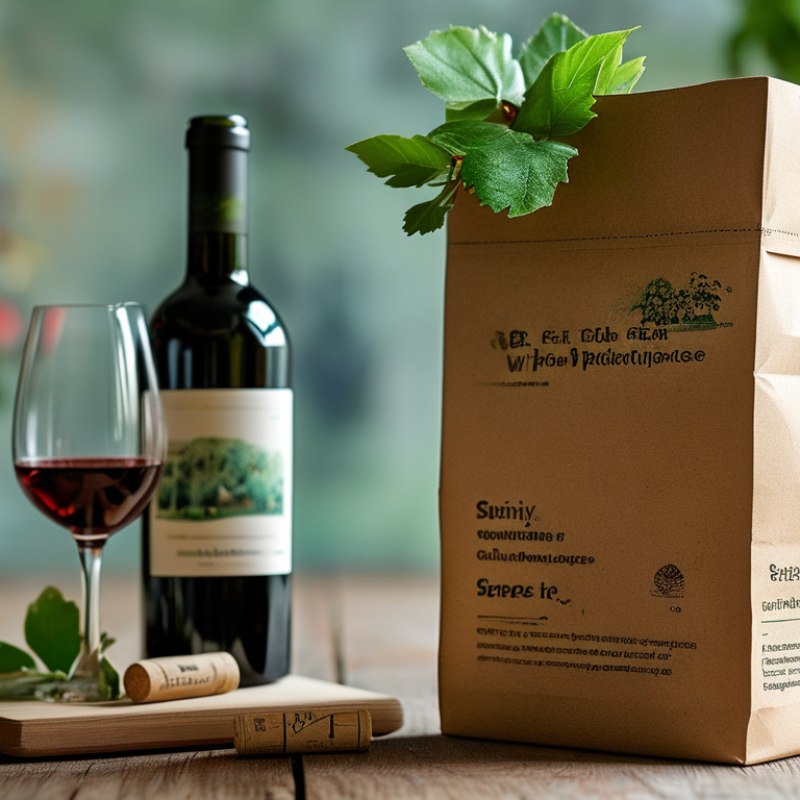
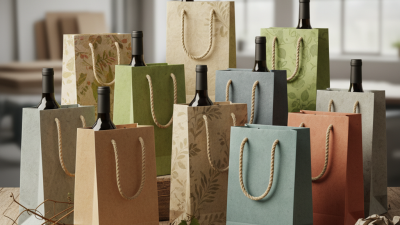
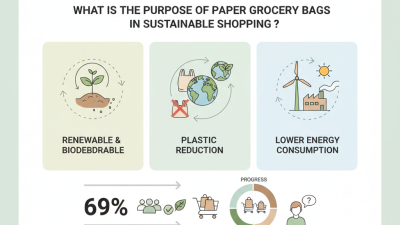
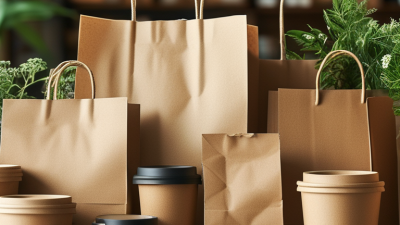
Paper wine bags are an excellent choice for eco-friendly packaging. Made from renewable resources, they reduce plastic waste. These bags offer durability, ensuring your wine bottles remain safe during transport. Many people now seek sustainable options. Paper wine bags stand out for their design versatility and customizability.
Using paper bags aligns with the growing trend of responsible consumerism. They can be recycled and composted. This means they leave minimal impact on the environment. They provide a natural and elegant appearance, appealing to those who value aesthetics. You can find various styles and sizes suitable for different occasions.
Tips for choosing the right paper wine bag: Look for bags with sturdy handles. This ensures ease of carrying. Consider bags with a food-safe lining; they help protect your wine. Personalize your selections with unique prints or colors that represent you. Always check for certifications to confirm the eco-friendly claims of your bags.
The Environmental Impact of Traditional Wine Packaging Solutions
Traditional wine packaging often relies heavily on glass and plastic. Glass bottles are heavy and resource-intensive to produce. They require significant amounts of energy during manufacturing. This leads to higher carbon emissions. Additionally, many glass bottles end up in landfills, contributing to environmental degradation. Plastic wine bags often face issues regarding recyclability. Many cannot be recycled easily, which increases waste.
In contrast, eco-friendly paper wine bags offer a sustainable alternative. They are lightweight, biodegradable, and often made from recycled materials. This significantly reduces energy consumption and greenhouse gas emissions during production. However, not all paper bags are created equal. Some still use plastic coatings for strength, which can hinder their degradability. Consumers must research packaging materials to make informed choices.
Moreover, the perception of quality can be a hindrance. Many people associate glass bottles with luxury and premium products. This mindset affects the acceptance of paper alternatives in the wine industry. It is essential to shift this narrative. Education about eco-friendly options can enhance their popularity. Emphasizing the environmental benefits can encourage producers and consumers to embrace sustainable practices.
Key Features to Look For in Eco-Friendly Paper Wine Bags
Choosing eco-friendly paper wine bags involves understanding key features that enhance sustainability and usability. First, consider the material. Look for bags made from recycled paper or sustainably sourced options. This not only minimizes waste but also lessens environmental impact. Certifications such as FSC (Forest Stewardship Council) can guide you in finding reliable products that prioritize responsible sourcing.
Next, examine the design and sturdiness of the bag. A well-constructed bag should support the weight of a wine bottle without risk of tearing. Reinforced handles are essential for comfort and durability. Additionally, a biodegradable finish can add to the eco-friendliness, ensuring the bag does not contribute to landfill waste.
Reflect on the size versatility. Some bags are designed to hold one bottle, while others can accommodate two or more. Flexibility in size allows for various purchases. Yet, there can be a drawback; oversized bags could waste materials. Lastly, unique designs can enhance the unboxing experience. Though, striking the right balance between aesthetics and sustainability can be challenging but necessary for a conscious consumer.
Popular Materials Used in Crafting Sustainable Paper Wine Bags
Eco-friendly packaging has become essential in today's world. When it comes to wine, sustainable paper bags offer a great alternative to plastic. These bags are often made from recycled materials, minimizing waste. Crafting these bags using post-consumer paper reduces the need for virgin resources. This helps lower carbon footprints and promotes a circular economy.
A popular choice for sustainable wine bags is kraft paper. Known for its durability, kraft paper is recyclable and biodegradable. Its natural brown color provides an earthy feel. Additionally, uncoated paper allows for easy printing and customization. Some manufacturers also use hybrid materials, blending paper with natural fibers like hemp. This results in a unique texture and added strength.
Despite these advantages, challenges remain. The production processes can be energy-intensive, and not all paper sources are sustainably managed. It’s crucial to choose suppliers who prioritize responsible sourcing. Perfect solutions may not exist, but striving for the best options is vital. The conversation around sustainable packaging should evolve constantly, pushing for innovation and improvement.
Best Paper Wine Bags for Eco-Friendly Packaging Solutions
How to Properly Dispose of or Recycle Paper Wine Bags After Use
When it comes to disposing of paper wine bags, most people may not realize the importance of proper recycling. According to the Environmental Protection Agency, paper products make up about 25% of municipal solid waste. This highlights the significance of responsibly dealing with paper wine bags after use. The ideal way to dispose of these bags is through recycling, which often requires them to be clean and free of food waste.
A recent report indicates that recycled paper can be transformed into various products, such as new bags and cardboard. However, not all paper wine bags are created equal. Some may be coated with materials that make them unsuitable for recycling. Always check for recycling symbols, and consult your local waste management guidelines for clarification. Engaging in proper practices can significantly reduce landfill waste and promote a circular economy.
Awareness is key in this process. Many consumers are unaware of the implications of improperly disposing of paper products. It is essential to educate yourself and others about the eco-friendly options available. Ensuring that paper wine bags are recycled appropriately can contribute positively to sustainability efforts. The impact of small actions should not be underestimated in the larger context of waste management.




 WeChat QR
 WhatsApp QR