How to Choose the Best Paper Grocery Bags for Your Business?
Choosing the right Paper Grocery Bags for your business is crucial. With increasing environmental awareness, many consumers prefer sustainable options. According to a recent report by Smith & Johnson Research, the demand for eco-friendly packaging, including Paper Grocery Bags, is growing at a rate of 15% annually. This shift presents both opportunities and challenges for retailers.
Industry expert Dr. Emily Carter states, “Businesses must prioritize sustainable choices, as consumers are increasingly making eco-conscious decisions.” This underlines the importance of thoughtful selection in order to meet customer expectations. Many businesses may overlook the variety of options available on the market. Not all Paper Grocery Bags are created equal. Factors like strength, design, and sourcing materials should not be ignored.
While many businesses opt for cheaper alternatives, these choices can lead to customer dissatisfaction. A flimsy bag can ruin a shopping experience. Retailers must consider the long-term effects of their decisions on brand loyalty and customer perception. Overall, selecting the best Paper Grocery Bags requires careful evaluation and a commitment to sustainability.
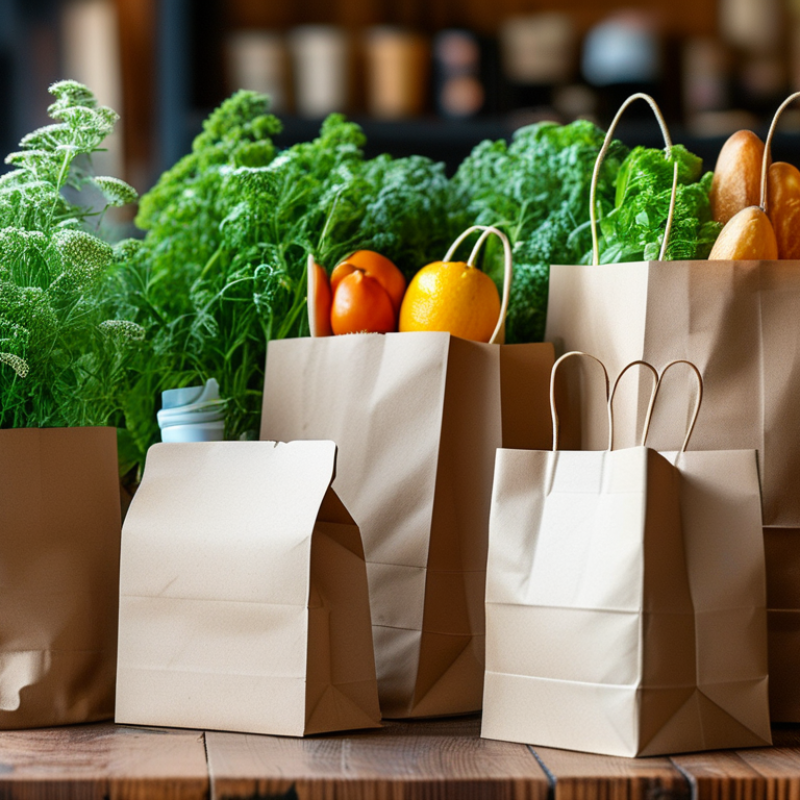
Understanding the Importance of Paper Grocery Bags for Businesses
In today's eco-conscious world, paper grocery bags hold significant value for businesses. They represent a commitment to sustainability. Many consumers appreciate eco-friendly options. This choice can enhance a brand's reputation and build customer loyalty. Offering paper bags shows that a business is aware of environmental issues. It reflects a desire to reduce plastic waste.
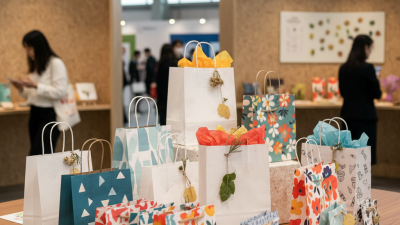
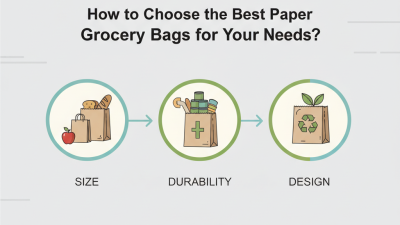
When selecting paper grocery bags, consider several factors. The design should be practical yet appealing. A sturdy bag ensures that it holds items securely. Thickness matters; thicker bags often mean better durability. This can prevent tearing during transport, which frustrates customers. The color and print can also impact brand visibility. Eye-catching designs attract attention and convey a professional image.
However, not all paper bags are created equal. Some may crumble easily under weight. Others might not be made from recycled materials. Businesses should be cautious and ask questions. Sourcing from responsible suppliers is crucial. It's important to reflect on the bag's environmental impact too. Ultimately, the choice of paper bags could influence consumer behavior. A well-thought-out decision can lead to positive outcomes for both the business and the planet.
Evaluating Different Types of Paper Grocery Bags Available
When evaluating different types of paper grocery bags, it’s essential to consider material quality. Not all paper bags are created equal; some are made from recycled content, while others utilize virgin fibers. According to a report by Smithers Pira, the global paper bag market is projected to grow significantly, emphasizing the increasing demand for sustainable packaging.
Strength is another critical factor. Some paper bags are designed to hold heavier items, while others are more suitable for lightweight products. A study from the American Forest & Paper Association indicates that high-quality paper bags can hold up to 20% more weight than standard ones, making them a better choice for varying store inventories. The bag's design also matters—some bags feature reinforced handles, which enhance usability and customer satisfaction.
Consider customization options too. Businesses that tailor their bags can boost brand recognition. A report from Packaging Strategies highlights that 70% of consumers remember brands based on their packaging. But, not every customization option is effective; overly complex designs may not communicate your brand clearly. Balancing aesthetics and functionality is key. Investing in the right paper grocery bags involves thoughtful evaluation and reflection on your business needs.
Factors to Consider When Selecting Paper Grocery Bags
Choosing the right paper grocery bags for your business involves multiple factors. One key consideration is durability. A 2022 report by the Paper and Packaging Board noted that high-quality paper bags can hold up to 20% more weight than standard options. This means fewer bags are needed per transaction, which could enhance customer satisfaction.
Sustainability is another critical factor. According to a recent study, 70% of consumers prefer businesses that use eco-friendly packaging. Using recyclable or biodegradable bags can improve your brand's image. It's essential to assess the bag's composition and sourcing. For instance, bags made from 100% recycled materials often resonate well with environmentally conscious shoppers.
Cost-effectiveness cannot be overlooked either. Prices can vary significantly based on bag design and material. It's vital to find a balance between quality and cost. Many businesses start by ordering samples to evaluate usability and design. However, often they fail to project future demand accurately. Overestimating needs can lead to excess inventory. You should regularly review and adjust your bag supply strategy to align with changing customer preferences. This approach fosters a responsive and sustainable business model.
Assessing Sustainability and Environmental Impact of Paper Bags
Choosing paper grocery bags involves understanding their impact on sustainability. Research indicates that paper bags, when sourced sustainably, have a lower carbon footprint than plastic bags. According to the Environmental Paper Network, the lifecycle emissions of paper bags can be significantly reduced by using recycled paper. This practice not only conserves resources but also minimizes waste.
The production of paper bags requires energy and water. A study by the UK’s Environment Agency states that paper bag production uses about three times more water than plastic bag production. However, many people overlook the biodegradable nature of paper. After disposal, paper bags decompose completely, unlike plastic. This is crucial in combating pollution.
Despite their benefits, there are challenges to consider. Sourcing paper responsibly is vital to prevent deforestation. Moreover, the transportation of paper bags can lead to increased emissions if not managed efficiently. A balance must be struck between ecological responsibility and practical use. Understanding these complexities helps businesses choose wisely.
How to Choose the Best Paper Grocery Bags for Your Business? - Assessing Sustainability and Environmental Impact of Paper Bags
| Bag Type |
Recyclability |
Biodegradability |
FSC Certified |
Durability Rating |
Cost per Unit ($) |
| Kraft Paper Bag |
Yes |
Yes |
Yes |
High |
0.30 |
| Recycled Paper Bag |
Yes |
Yes |
Yes |
Medium |
0.25 |
| Grocery Paper Bag |
Yes |
Yes |
No |
High |
0.35 |
| Brown Paper Bag |
Yes |
Yes |
No |
Medium |
0.20 |
| Handle Paper Bag |
Yes |
Yes |
Yes |
High |
0.40 |
Cost Analysis: Budgeting for Paper Grocery Bags in Your Business
When budgeting for paper grocery bags, several factors come into play. Cost analysis must consider material quality, bag size, and print options. For small businesses, every detail counts as it affects your bottom line. You might be tempted to choose cheaper options, but that could compromise quality and customer satisfaction.
Tips: Calculate your expected usage. Estimate how many bags you will need monthly. Factor in the cost per bag and shipping fees. Keep a close eye on your inventory to avoid overstocking. This can lead to waste and additional costs.
Also, remember that packaging reflects your brand. Investing in high-quality bags can enhance customer experience. However, it is critical to strike the right balance between cost and quality. Track your expenses closely, and don’t hesitate to re-evaluate suppliers if prices fluctuate significantly. Analyze past purchase patterns before making new decisions. Adjust your order quantities as needed for a more accurate budget.



 WeChat QR
 WhatsApp QR