Leave Your Message

7 Best Paper Carrier Bags for Global Wholesale Buyers?

Global wholesale buyers need more than attractive packaging. They need Paper Carrier Bags that survive transport, support brand presentation, and match local retail conditions. This guide examines seven practical options for different purchasing needs, including boutique shops, food retailers, exhibitions, and high-volume chains.

Each choice considers paper strength, handle construction, gusset depth, print quality, customization, minimum order quantities, and shipping efficiency. Recycled content matters, but it does not tell the whole story. A weak bag can create product damage, customer complaints, and unnecessary replacement costs. A glossy finish may improve shelf appeal, yet it can complicate recycling in some markets. Details matter.

Circular-economy expert Ellen MacArthur describes the goal clearly: “A circular economy is based on the principles of designing out waste and pollution, keeping products and materials in use, and regenerating natural systems.” This idea gives buyers a useful test. Can the bag perform well, use responsible materials, and remain practical after purchase?

No shortlist fits every country. That is the uncomfortable part. Import rules, fiber requirements, printing chemicals, and recycling systems differ widely. Buyers should confirm specifications with suppliers and local advisers before ordering at scale. Samples are essential. So are compression tests, moisture checks, and handle-pull tests.

The seven Paper Carrier Bags below are not ranked by appearance alone. They are compared through real wholesale concerns: durability, customization, cost control, lead time, and end-of-life considerations. Some options will look perfect on paper. They may not perform perfectly in a busy store.

7 Best Paper Carrier Bags for Global Wholesale Buyers?

Wholesale Criteria: 40–120 GSM, Load Capacity, MOQ, and Unit Cost

7 Best Paper Carrier Bags for Global Wholesale Buyers

For wholesale buyers, the strongest options include flat-handle, twisted-handle, rope-handle, SOS, gusseted, block-bottom, and reinforced paper bags. Select by use, not appearance alone. Paper grammage usually ranges from 40 to 120 GSM. Bags around 40–60 GSM suit lightweight clothing or documents. Food containers and small retail items often need 70–100 GSM. Heavier products may require 110–120 GSM paper, stronger handles, and a reinforced base.

Load capacity must be tested with the final bag dimensions. A practical sample test should hold the target weight for at least 24 hours. A 70 GSM bag may carry 2–4 kilograms, but handle design and moisture can change performance sharply. ISO 536 defines paper grammage testing, while ISO 187 supports conditioning before physical tests. These details matter. Humidity is easy to underestimate.

MOQ and unit cost can decide the real winner. Many factories quote lower prices at 10,000–50,000 pieces, while custom printing, handle type, and carton packing raise costs.

5,000
20,000
50,000 units

Request pricing at three volumes, such as 5,000, 20,000, and 50,000 units. Smithers’ paper packaging market analysis identifies retail and foodservice as important demand areas. CEPI reported a European paper recycling rate of 79.3% in 2022, supporting paper’s established recovery infrastructure. Still, recycled content can reduce strength. That trade-off deserves testing, not assumptions. A slightly higher unit cost may prevent torn handles and rejected shipments.


Seven Bag Types: Flat, SOS, Handle, Die-Cut, Luxury, Recycled, and Kraft

Global wholesale buyers need paper bags that match product weight, retail setting, and shipping conditions. These seven types cover different purchasing needs.

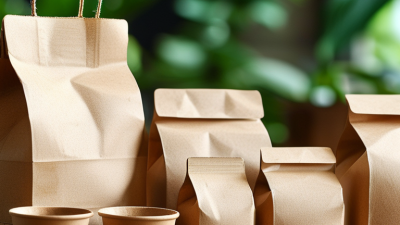
Flat paper bags suit books, stationery, and thin packaged goods. SOS bags stand upright, making them practical for groceries and takeaway items. Handle bags offer faster carrying for clothing, gifts, and daily retail purchases. Die-cut bags create a clean, modern look, but their handles need careful strength testing. Luxury paper bags use thicker stock, refined finishes, and reinforced construction for premium presentation. Recycled bags support sustainability goals while maintaining useful durability. Kraft bags remain versatile, recognizable, and cost-effective for many wholesale programs.

Material choice should follow real handling conditions, not appearance alone. Check paper thickness, handle attachment, bottom construction, moisture resistance, and folding accuracy. A bag that looks strong may fail after a few heavy items. I have seen buyers focus on printing quality, then overlook the base seam. That mistake becomes expensive during peak shipping periods. Samples should carry the intended load repeatedly before bulk approval. Ask for production records and clear quality tolerances.

Tips: Compare filled samples, not empty bags. Confirm bag dimensions inside and outside. Request recycled-content documentation when needed. Leave extra time for sampling. Some “perfect” designs are awkward to pack. Your team should test them honestly. A small weakness can affect an entire wholesale order.

7 Best Paper Carrier Bags for Global Wholesale Buyers? — Seven Bag Types: Flat, SOS, Handle, Die-Cut, Luxury, Recycled, and Kraft

Paper Bag Type Typical Structure Common Paper Weight Handle or Closure Typical Wholesale Uses Main Advantages Important Limitations Recyclability Best Buyer Priority
Flat Paper Bags Single-layer paper bag with a flat profile, usually without a gusset or handle. 35–80 gsm Open top; no handle. Optional adhesive flap or folded top. Bakery items, takeaway food, sandwiches, stationery, small retail products, and lightweight samples. Low material use, efficient storage, fast filling, and economical shipping. Limited capacity and poor suitability for heavy or bulky products. Generally recyclable Lowest unit cost and compact warehouse storage.
SOS Paper Bags Self-opening square bag with a flat bottom and side gussets; SOS means “self-opening sack.” 50–100 gsm Open top; normally handle-free. Grocery goods, produce, takeaway meals, bakery products, and food-service packaging. Stands upright, offers useful internal volume, and can be filled quickly on a packing line. Handles are not standard, and moisture resistance depends on the paper and coating. Generally recyclable Fast packing and efficient use in food-service operations.
Twisted-Handle Paper Bags Gusseted paper bag with reinforced folded top and twisted-paper rope handles. 80–120 gsm Twisted paper handles, often reinforced with an interior patch. Retail stores, pharmacies, footwear, apparel, gifts, and medium-weight merchandise. Comfortable carrying, good presentation, and a practical balance between cost and strength. Handle attachment adds labor and cost; wet conditions can weaken the bag. Generally recyclable Reliable everyday retail performance.
Die-Cut Handle Bags Flat or gusseted bag with an integrated oval, rectangular, or custom-cut handle opening. 90–150 gsm Die-cut paper handle; reinforced top fold or patch may be used. Promotional merchandise, events, cosmetics, apparel, books, and lightweight retail products. Clean appearance, easy branding, and no separate handle component. Handle openings can reduce tear resistance if the top area is not reinforced. Generally recyclable Simple branding with a controlled production budget.
Luxury Paper Bags Rigid-bottom or reinforced gusseted bag, commonly made with heavier paper and premium finishing. 170–250 gsm Cotton, satin, grosgrain, or high-quality twisted-paper handles; optional magnetic or ribbon closure. Luxury fashion, jewelry, cosmetics, premium gifts, hospitality, and special events. High perceived value, strong shelf presence, and extensive finishing options. Higher unit cost, larger shipping volume, and some finishes may complicate recycling. Paper body is recyclable; remove non-paper components where required. Premium presentation and brand experience.
Recycled Paper Bags Bag manufactured with recycled fiber content; structure may be flat, SOS, handled, or gusseted. 60–180 gsm Varies by construction: no handle, paper handle, or die-cut handle. Grocery, retail, events, food service, packaging programs, and sustainability-led procurement. Supports recycled-content targets and can reduce reliance on virgin fiber. Color and surface consistency may vary; wet strength and print brightness depend on the grade. Usually recyclable Documented recycled content and sustainability reporting.
Kraft Paper Bags Bag made from kraft paper, available in brown or bleached grades and in flat-bottom or gusseted formats. 60–180 gsm May be handle-free, twisted-handle, flat-handle, or die-cut. Food packaging, grocery, retail, takeaway, agricultural products, and general-purpose packaging. Good tear resistance, natural appearance, broad size availability, and strong print compatibility. Uncoated kraft paper has limited resistance to oil, water, and condensation. Generally recyclable Versatile performance and a natural packaging appearance.

Note: Paper weight, load performance, dimensions, recycled content, coatings, and handle construction vary by supplier, bag size, printing coverage, and intended application. Buyers should confirm technical specifications through pre-production samples and packaging compliance documentation.

Material Benchmark: Virgin vs Recycled Kraft and FSC Certification Data

For global wholesale buyers, paper carrier bag selection starts with the fibre source. Virgin kraft paper usually offers longer fibres, higher tear resistance, and cleaner print surfaces. It suits heavier retail items, sharp-edged packaging, and repeated handling. Recycled kraft can reduce demand for fresh fibre, but its performance varies by recovered material and production process. A lower basis weight may save cost, yet it can fail around the handle holes.

During supplier checks, I compare basis weight, bursting strength, tear strength, and handle attachment. A practical sample test includes ten kilograms of books carried across a warehouse floor. Then I inspect stretching, creasing, and glue separation. Recycled paper often has a softer, more uneven texture. Some buyers consider that attractive. Others see it as a quality concern. Neither view is completely wrong.

FSC certification adds traceability, not automatic proof of perfect sustainability. FSC Recycled indicates recycled fibre content, while FSC Mix may combine certified, recycled, and controlled sources. Buyers should request the certificate number, scope, product grade, and chain-of-custody details. Check whether the certificate covers the actual bag factory, not only the paper mill. Certification data can become outdated. I still ask for recent test reports and production samples. A certified bag may perform poorly if its handles, adhesive, or moisture protection are weak. That is an uncomfortable but important limitation.

Global Compliance: EN 13432, ISO 18606, Food Contact, and Label Rules

7 Best Paper Carrier Bags for Global Wholesale Buyers?

The best wholesale options include kraft flat-handle, twisted-handle, SOS, block-bottom, recycled-fiber, grease-resistant, and compostable paper bags. Compliance matters more than appearance. EN 13432 confirms industrial compostability, including disintegration, biodegradation, and ecotoxicity requirements. It does not guarantee home composting. ISO 18606 addresses compostable packaging and organic recycling compatibility. A supplier should provide current test reports, not only a printed claim.

Food-contact bags need controlled raw materials, inks, adhesives, and production hygiene. In the European Union, Regulation (EC) No 1935/2004 and Good Manufacturing Practice rules are common reference points. Other markets may require different declarations. The bag’s inner coating can change its compliance status. A recycled paper structure may also need functional-barrier evidence. According to the European Paper Recycling Council, Europe’s paper recycling rate reached about 79% in 2023. Recyclability still depends on coatings, handles, and local facilities. That detail is often missed.

Tips: Request EN 13432 and ISO 18606 test scopes. Check whether certification covers the complete bag. Ask for food-contact declarations and migration testing. Confirm fiber percentage, coating chemistry, batch traceability, and moisture resistance. Label rules should state material composition and disposal guidance clearly. Use approved symbols only. Requirements vary by destination. A bag can pass a laboratory test yet fail a retailer audit. I would not treat “eco-friendly” as evidence. Small print matters.

7 Best Paper Carrier Bags for Global Wholesale Buyers

Compliance screening matrix for EN 13432, ISO 18606, food-contact requirements, and destination-market labeling review.

A value of 1 means that the requirement is typically relevant for specification, evidence, or market review; 0 means it is not normally triggered by the bag format alone. EN 13432 and ISO 18606 apply to compostable or organic-recycling claims, while food-contact and labeling obligations depend on the intended use and destination market. Final compliance should be confirmed for the importing country and the complete bag construction.

Buyer Scorecard: MOQ, Container Loads, Lead Times, and Freight Cost Data

For global wholesale buyers, seven practical paper carrier bag options include flat-handle, twisted-handle, rope-handle, die-cut, SOS, kraft, and coated paper bags.

The right choice depends on load strength, packing speed, and retail presentation. A useful scorecard starts with MOQ, not price. Typical factory MOQs range from 10,000 to 50,000 bags, while custom printing may raise the minimum. Request carton dimensions and pallet counts before comparing offers.

Container planning matters.

A 40-foot high-cube container holds roughly 76 cubic metres, but paper bags often cube out before reaching the weight limit. UNCTAD reports that over 80% of global merchandise trade by volume moves by sea.

Therefore, freight timing deserves equal attention. Track the Drewry World Container Index for route-level rate changes, then request both FOB and delivered-cost quotations.

Standard lead times often fall between 25 and 45 days after artwork approval. Port congestion can add more.

Tips:

Ask for a pre-production sample.
Confirm bag dimensions, paper GSM, handle attachment, moisture protection, and compression strength.
Require a carton-loading plan.

Small details matter. A spreadsheet can still mislead. I sometimes underweight local trucking and destination handling charges.

Add a 10–15% logistics contingency, and compare landed cost per usable bag, not only the factory unit price.

Smithers’ paper packaging research also highlights continued demand for recyclable formats, but recyclability claims should be checked against the actual coating and handle materials.