Why Choose Paper Carrier Bags for Sustainable Shopping Solutions?
In recent years, the rise of eco-conscious shopping has led many to consider the benefits of Paper Carrier Bags. Renowned sustainability expert Dr. Emily Green, a pioneer in eco-friendly packaging solutions, states, “Switching to Paper Carrier Bags is a small change that can lead to significant environmental impact.” This perspective highlights the growing importance of choosing sustainable materials in a world increasingly affected by plastic pollution.
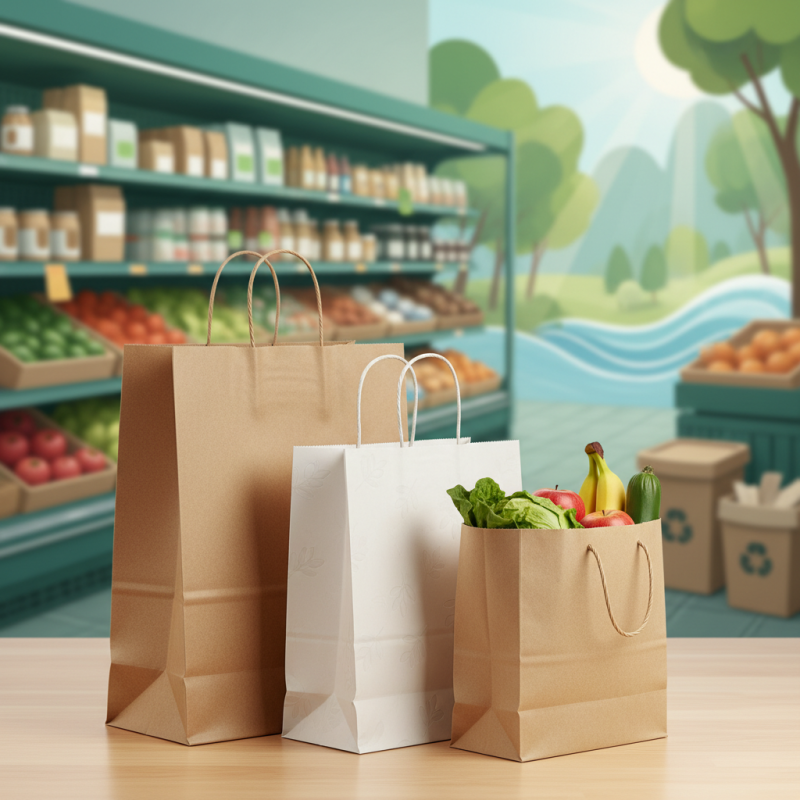
Paper Carrier Bags are not just functional; they embody a commitment to reducing our carbon footprint. They are made from renewable resources and are biodegradable, offering an alternative to plastic that can take centuries to decompose. However, transitioning to these bags poses challenges. Some consumers may view them as less durable or convenient than their plastic counterparts. Additionally, the production of Paper Carrier Bags still has environmental effects, prompting critical discussions about their life cycle.
As we navigate our shopping choices, these considerations become essential. Understanding the benefits and drawbacks of Paper Carrier Bags can help consumers make informed decisions. Embracing sustainable practices requires a willingness to reflect on our habits and strive for improvement in everyday choices.
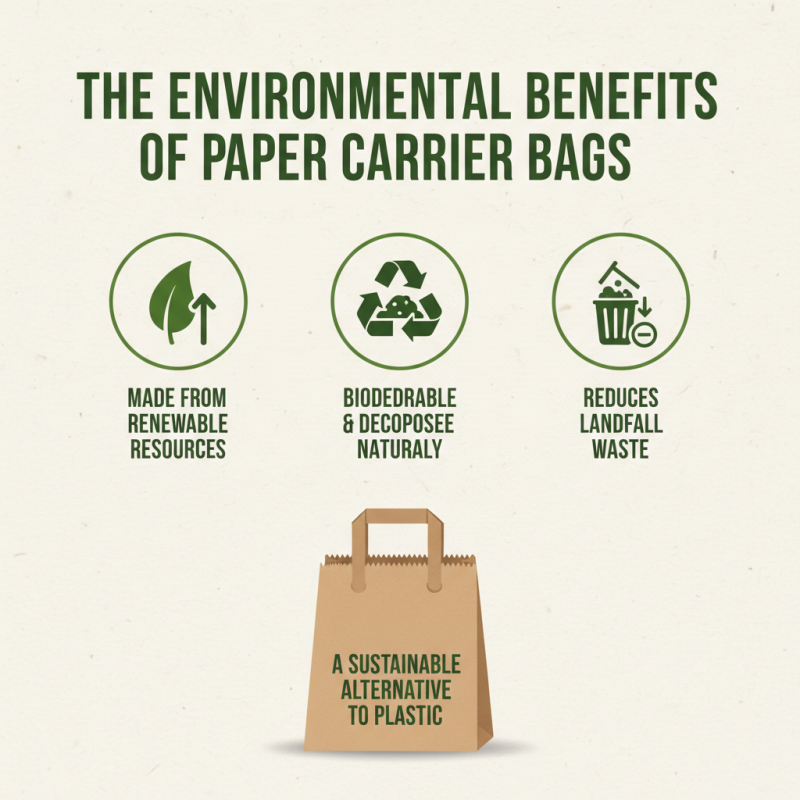
The Environmental Benefits of Paper Carrier Bags
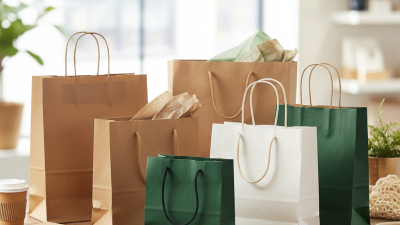
Paper carrier bags are making waves in sustainable shopping. They are an excellent alternative to plastic, which has long been a concern for our environment. These bags are made from renewable resources. They are biodegradable and decompose naturally, reducing landfill waste significantly.
The production of paper bags involves fewer harmful chemicals than plastic. This makes them safer for ecosystems. By switching to paper, customers can contribute to the health of wildlife. Animals are less likely to ingest harmful plastics. Additionally, recycling paper is easier and more efficient than recycling plastic. It requires less energy and can be reused multiple times.
However, it’s essential to consider the complete lifecycle of both paper and plastic bags. While paper is often seen as the better option, producing it can lead to deforestation. This creates a need for responsible sourcing and mindful consumption. Overall, choosing paper bags reflects a commitment to sustainability, inspiring others to join the cause.
Comparative Analysis: Paper vs. Plastic Bags
When considering sustainable shopping solutions, a comparative analysis of
paper and plastic bags reveals important insights. According to the
Environmental Protection Agency, paper bags can decompose
within a month, while plastic bags take up to 1,000 years to break down.
This significant difference highlights the environmental impact of each option.
Paper bags are made from renewable resources, primarily trees, which can be replanted. They are recyclable and often made from recycled materials themselves. In contrast, plastic bags are derived from petroleum, a non-renewable resource. A study by the World Economic Forum indicates that if current plastic consumption continues, by 2030, the country will likely waste 111 million metric tons of plastic annually. This raises questions about the sustainability of plastic options.
However, transitioning to paper isn't without challenges. The production process can consume more energy than plastic. Additionally, not all paper is created equal; sourcing practices vary widely across the industry. Many consumers still favor plastic for its lightweight and waterproof qualities. Thus, while paper bags appear to be the more sustainable choice, there are complexities that need careful consideration. Balancing these factors is crucial for making informed shopping decisions.
Durability and Functionality of Paper Carrier Bags
Paper carrier bags are increasingly recognized for their durability and functionality, making them a preferred choice for sustainable shopping. Unlike plastic bags, which often tear easily, paper bags can carry heavier items without compromising their integrity. According to a recent study from the Paper and Paperboard Packaging Environmental Council, paper bags can hold up to 4,000 grams of weight, demonstrating their robust design. This feature not only enhances usability but also reduces the likelihood of product spills during transit.
Moreover, paper carrier bags are designed with multiple functions in mind. Many come with reinforced handles, making them easier to carry. The versatility of paper bags allows them to be used for various retail operations, from groceries to boutique items. A report from Smithers Pira notes that the demand for sustainable packaging is expected to grow by 5.1% annually. This shift reflects consumer preferences for products that are both reliable and environmentally friendly.
Despite their many benefits, paper bags do have some limitations that require consideration. They are less water-resistant than plastic, which can be a disadvantage in wet conditions. Additionally, the production process can be resource-intensive, raising questions about sourcing raw materials sustainably. As consumers become more conscious of their environmental impact, the balance between functionality and sustainability remains a topic worthy of reflection and improvement.
Consumer Preferences for Sustainable Shopping Solutions
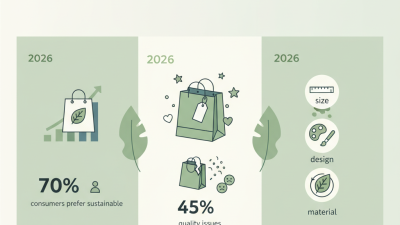
Consumer preferences have shifted significantly towards sustainable shopping solutions. Many consumers now seek eco-friendly options when making purchases. Paper carrier bags have emerged as a popular choice for those who prioritize environmental responsibility. They are biodegradable and recyclable, making them an excellent alternative to plastic. Unlike plastic bags, which can take hundreds of years to decompose, paper bags break down much faster.
Shopping with paper bags can enhance the overall experience. Consumers appreciate the feel and aesthetics of sturdy paper. They often perceive these bags as more premium and trustworthy. Yet, some people question their durability compared to plastic. This is a valid concern, as paper bags may not hold heavy items as well. However, many manufacturers are improving their designs to ensure strength and reliability.
Sustainability is a journey, not a destination. While paper bags are an improvement, we must reflect on our consumption habits. Are we using them effectively? Some still opt for single-use items, undermining the benefits. Encouraging a shift in mindset can make a real difference in reducing waste. It’s vital for consumers to remain engaged and informed about their choices for a greener future.
Consumer Preferences for Sustainable Shopping Solutions
Innovative Designs and Uses of Paper Carrier Bags
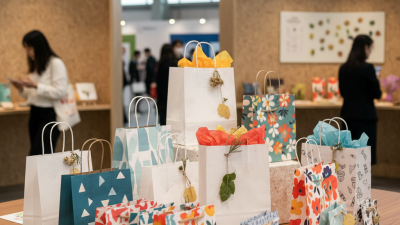
Paper carrier bags are gaining popularity for sustainable shopping solutions. Their innovative designs cater to various needs, from everyday groceries to special occasions. A recent industry report indicated that the global paper bag market is projected to reach USD 5 billion by 2025, reflecting a shift towards eco-friendly packaging.
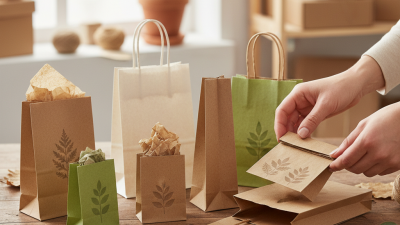
Creative designs make paper bags visually appealing. Custom prints and elegant finishes enhance branding while promoting sustainability. They come in various sizes and are often made from recycled materials. This versatility makes them suitable for boutiques, supermarkets, and gift shops. Moreover, their biodegradable nature adds to their eco-friendliness.
Tips: Always choose bags made from 100% recycled paper. This helps to close the loop in packaging waste. Consider reusing paper bags for storage. They can easily hold books or seasonal decorations. Ultimately, the journey towards sustainable shopping is ongoing, and every small step counts.
Why Choose Paper Carrier Bags for Sustainable Shopping Solutions?
| Feature |
Description |
Environmental Impact |
| Biodegradable |
Made from renewable resources, paper carrier bags decompose naturally. |
Reducing landfill waste and pollution. |
| Customizable Designs |
Can be printed with logos and designs to promote brand identity. |
Enhances marketing without harming the environment. |
| Durability |
Strong enough to carry heavy items, often reinforced with handles. |
Reduces the need for single-use plastic bags. |
| Versatility |
Suitable for a variety of uses, from grocery shopping to gift wrapping. |
Encourages sustainable practices across different sectors. |
| Recyclable |
Can be recycled after use, contributing to a circular economy. |
Supports resource conservation and waste reduction. |



 WeChat QR
 WhatsApp QR