Best Small Paper Bags for Eco-Friendly Packaging Solutions?
In today's environmentally conscious market, small paper bags have emerged as a vital solution for sustainable packaging. Industry expert Dr. Jane Thompson, a packaging specialist with over a decade of experience, states, "Small paper bags are not only practical but also a key player in reducing waste." As businesses seek alternatives to plastic, these bags offer a reliable option that aligns with eco-friendly practices.
Small paper bags serve various purposes, from retail to event packaging. Their versatility makes them essential for businesses aiming to enhance their green credentials. With a variety of sizes and styles available, it’s easy to incorporate small paper bags into any operation. However, not all bags are created equal. The choice of materials and production methods can affect their environmental impact significantly.
The challenge lies in selecting the right small paper bags. Factors such as durability, design, and recyclability should be carefully considered. While many options exist, businesses must be mindful of quality over quantity. By understanding these nuances, companies can contribute to a more sustainable future while maintaining aesthetic appeal. The journey towards better packaging solutions starts with informed choices.
Best Small Paper Bags for Eco-Friendly Packaging Solutions
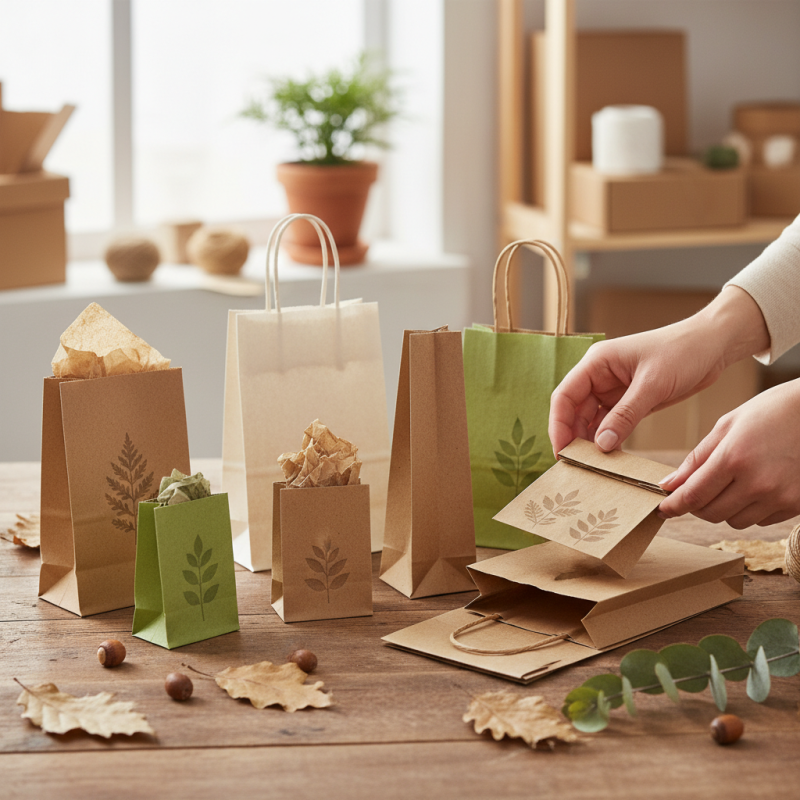
When considering eco-friendly packaging, small paper bags are a fantastic choice. Their versatility makes them ideal for various products, from gifts to groceries. Many consumers favor them over plastic due to their biodegradable qualities. These bags often come in different sizes, designs, and colors, allowing brands to maintain a distinctive look while being sustainable.
One crucial detail is the quality of paper used. Thick, high-quality paper enhances durability, ensuring the bags can hold weight without tearing. Unfortunately, not all paper bags meet this standard. Some may look appealing but fail to support heavier items. This discrepancy can affect customer satisfaction. Additionally, sourcing is important; bags should come from responsibly managed forests. Brands should ask their suppliers about certified materials.
A potential downside is their cost. Eco-friendly bags tend to be pricier than plastic alternatives. Some businesses hesitate to make the switch due to budget constraints. However, many consumers are willing to pay extra for sustainable options. That trend suggests a growing market for ethical practices. This shift reflects a larger commitment to environmental responsibility, pushing businesses to reassess their packaging choices. Choosing the right small paper bags can make a significant impact.
Understanding the Environmental Impact of Paper vs Plastic Bags
When discussing the environmental impact of paper versus plastic bags, it's vital to consider their life cycles. Paper bags are often viewed as the more eco-friendly option. They are biodegradable and can be recycled easily. However, their production is resource-intensive. It takes more water and energy to create paper bags compared to plastic ones. On the other hand, plastic bags are lightweight and require less energy during production. But they contribute significantly to pollution if not recycled.
Choosing the right bag involves balancing benefits and drawbacks. Consider reusing bags whenever possible. While paper bags are biodegradable, they still require proper disposal. If composted, they break down faster and enrich the soil. Plastic bags can be reused multiple times before disposal. So, carrying them for grocery trips helps reduce waste.
Tips: Always check local recycling guidelines. Not all paper bags are recyclable, especially if they are coated or contaminated. Also, invest in reusable bags. They not only reduce waste but can also be more durable and cost-effective in the long run.
Key Industry Statistics on Paper Bag Production and Usage Trends
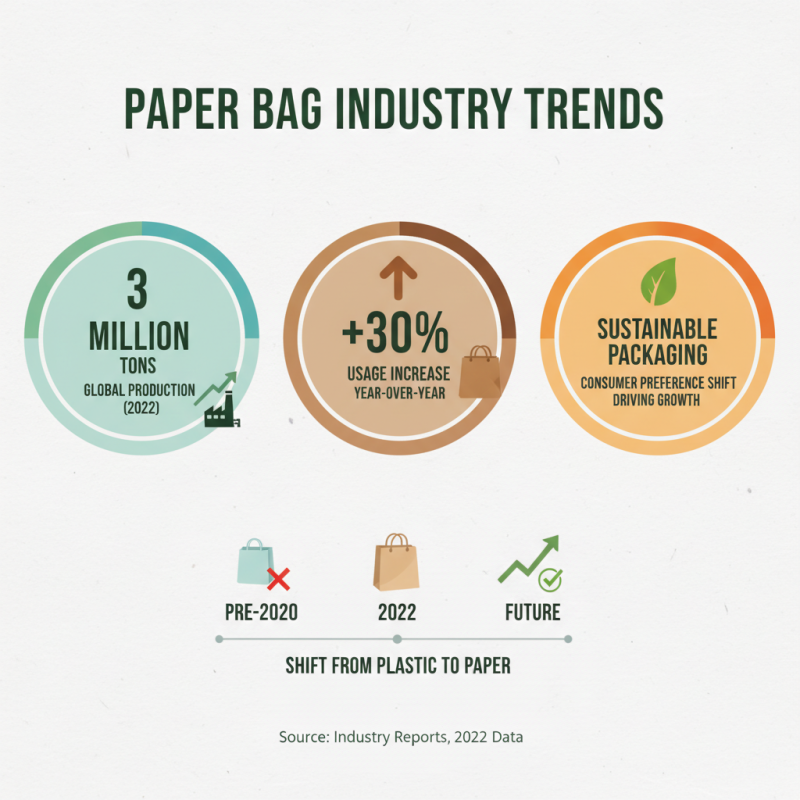
In recent years, the paper bag industry has seen a significant rise in popularity. Data shows that global paper bag production reached approximately 3 million tons in 2022, reflecting a growing preference for sustainable packaging. With increasing consumer awareness about environmental issues, businesses are shifting away from plastic. This shift is evident as many companies now report a 30% increase in paper bag usage year-over-year.
To make eco-friendly choices, consider the bag's material. Most small paper bags are crafted from recycled fibers. This choice not only reduces waste but also supports a circular economy. When selecting bags, look for options that utilize renewable resources. They often come in various sizes and styles, meeting diverse business needs. Brands can promote their eco-friendly stance by clearly communicating their commitment to sustainability.
Tips: Choose bags with water-based inks for printing. These inks are less harmful and improve recyclability. Remember, not all paper bags are created equal. Some may still use harmful adhesives. Research your options carefully. Opt for suppliers that prioritize environmentally-friendly materials. While it's easy to choose the cheapest option, reflect on long-term impacts. Opting for quality ensures durability and aligns with sustainable practices.
Top Features to Look for in Eco-Friendly Small Paper Bags
When choosing eco-friendly small paper bags, focus on key features to ensure sustainability. Look for materials made from recycled content. This supports the reduction of waste in landfills. Durable bags can be reused, extending their life cycle and minimizing environmental impact.
Consider the bag's size and structure. A well-designed bag should hold items securely without tearing easily. Pay attention to handles; they should be sturdy yet comfortable to carry. A good handle makes a significant difference in user experience.
Tips: Opt for bags with water-based inks. These inks are less harmful to the environment. Also, check if the bags are biodegradable or compostable. This choice contributes to a healthier planet. Reflecting on your choices can lead to better habits in packaging.
Remember that not all paper bags are created equal. Some may not be recyclable due to coatings or additives. Always read product descriptions to understand the environmental implications. Your small decisions can create a positive ripple effect.
Comparative Analysis of Biodegradable vs Recyclable Paper Bags
When choosing between biodegradable and recyclable paper bags, it is crucial to consider their environmental impact. Biodegradable bags break down naturally over time. They can return nutrients to the soil. However, not all biodegradable bags decompose effectively in landfills. Many require specific conditions, such as commercial composting. This can limit their benefits.
Recyclable paper bags are a more straightforward option. They can be processed and reused for new paper products. This promotes a circular economy. Recycling functions well if consumers properly dispose of the bags. Still, contamination with grease or food residue hinders the recycling process. Consumers might not always recycle correctly.
Both options have merits and downsides. Biodegradable bags may seem eco-friendly but can lead to misconceptions. Recyclable bags promote sustainability yet depend on correct disposal methods. In real-world scenarios, both systems require user education. It's essential to reflect on personal habits and choices. The journey towards eco-conscious packaging is ongoing.
Best Small Paper Bags for Eco-Friendly Packaging Solutions
| Bag Type |
Material |
Biodegradable |
Recyclable |
Average Price ($) |
Best Use Cases |
| Small Kraft Paper Bag |
Kraft Paper |
Yes |
Yes |
0.50 |
Retail, Gifts |
| Small Paper Shopping Bag |
Recycled Paper |
Yes |
Yes |
0.80 |
Food, Boutique Items |
| Small Flat Paper Bag |
Brown Paper |
Yes |
Yes |
0.30 |
Crafts, Small Deliveries |
| Small Biodegradable Paper Bag |
Biodegradable Paper |
Yes |
No |
1.20 |
Gift Wrapping, Events |
| Small Recycled Paper Bag |
100% Recycled Paper |
No |
Yes |
0.70 |
Retail, Packaging |
Conclusion
In the pursuit of sustainable packaging solutions, **Small Paper Bags** have emerged as a popular choice due to their eco-friendly nature. Understanding the environmental impact of paper versus plastic is crucial; while plastic bags contribute significantly to pollution, paper bags offer a biodegradable alternative. Key statistics reflect a growing trend in paper bag production and usage, emphasizing their rising acceptance among consumers and businesses alike.
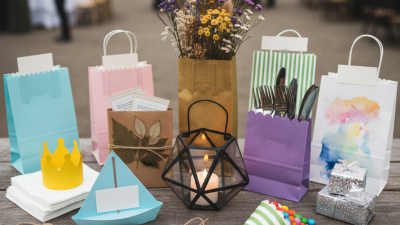
When selecting eco-friendly small paper bags, it is essential to consider features such as durability, design, and customization options. The comparative analysis of biodegradable versus recyclable paper bags helps in making informed choices, allowing businesses to align with environmentally responsible practices. Innovative designs not only enhance the aesthetic appeal of small paper bags but also cater to diverse consumer needs, making them a versatile solution for various applications.







 WeChat QR
 WhatsApp QR