China Best Paper Wine Bags for Eco-Friendly Packaging Solutions?
The rising demand for sustainable packaging solutions in the wine industry has brought attention to Paper Wine Bags. According to a report by Smithers Pira, the global market for sustainable packaging is projected to reach $500 billion by 2025. This shift reflects increasing consumer preference for eco-friendly options. Paper Wine Bags emerge as a favored choice, offering both elegance and environmental benefits.
Industry expert John Carter, a leading figure in sustainable packaging, emphasizes the importance of this shift. “Consumers are now prioritizing brands that demonstrate environmental responsibility,” he stated in a recent interview. This trend supports the ongoing transition to biodegradable and recyclable materials, pushing brands to adopt Paper Wine Bags as part of their packaging strategy.
Despite their benefits, Paper Wine Bags face challenges. Some consumers remain hesitant about their durability compared to plastic counterparts. Additionally, understanding the balance between functionality and sustainability is key. Crafting a strong message around the benefits of Paper Wine Bags could help in addressing these concerns. As the industry evolves, the conversation on sustainable packaging will only grow.
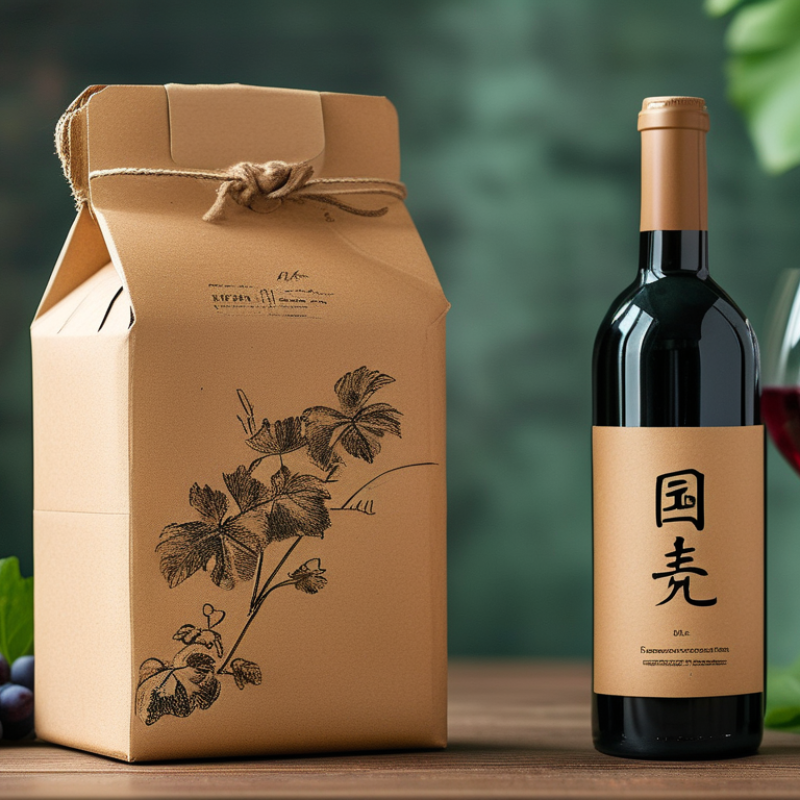
China's Innovative Approaches to Eco-Friendly Paper Wine Bags
In recent years, China has made remarkable strides in eco-friendly packaging, especially in the production of paper wine bags. These bags symbolize a shift towards sustainability in both packaging and consumer habits. With increasing awareness of environmental issues, many are opting for reusable and recyclable solutions. The innovative designs combine aesthetics with functionality, appealing to both producers and consumers.
Tips: Consider the size and style of the bag. A well-designed bag not only protects wine but also attracts attention. Choose organic materials for durability and environmental impact.
The paper wine bags produced in China often feature unique prints and textures. This creativity enhances the user experience. However, not all options are equally sustainable. Some bags may still involve non-recyclable materials. It is crucial to assess both the aesthetics and the composition of these bags.
Tips: Always check for certifications or labels that indicate eco-friendliness. Small changes in packaging choices can lead to significant environmental benefits. Conduct research to find manufacturers committed to sustainability.
Benefits of Using Paper Wine Bags Over Traditional Packaging Solutions
When considering eco-friendly packaging, paper wine bags stand out. They offer a sustainable option that aligns with modern values. Unlike traditional plastic bags, paper wine bags break down easily. This feature reduces environmental impact significantly. Sustainable materials are becoming increasingly important for consumers today.
Using paper bags has practical benefits too. They are sturdy and can hold the weight of glass bottles securely. Their design allows for customization, making them visually appealing. While some might argue that paper is less protective than plastic, advancements in design mitigate these concerns.
Tips for choosing the right paper wine bags: Look for bags with reinforced bottoms for added strength. Consider the paper's thickness; it contributes to durability. Make sure the handles are well-attached; this ensures ease during transport. Remember, while paper bags are eco-friendly, they also require proper sourcing. Check for certifications to ensure sustainability.
Materials and Production Processes for Sustainable Wine Bag Solutions
When it comes to eco-friendly packaging, wine bags have evolved significantly. The choice of materials plays a key role in sustainability. Many manufacturers explore options like recycled paper and organic cotton. These materials break down more easily and reduce landfill waste. Biodegradable polymers are also gaining popularity, offering a robust option that doesn’t harm the environment.
The production process is equally important. Many brands are now prioritizing low-impact manufacturing techniques. This includes using water-based inks and natural dyes. These methods minimize toxic runoff and promote cleaner processes. However, some companies still rely on traditional techniques that harm the planet. This inconsistency raises questions about industry standards and transparency.
Innovation is crucial for improving eco-friendly wine bag solutions. While many options exist, consumers face choices that aren't always clear cut. Some bags may appear sustainable but carry hidden environmental costs. Researching materials and production practices is essential. Sustainable packaging should not just be a marketing gimmick but a real commitment to the planet.
China Best Paper Wine Bags for Eco-Friendly Packaging Solutions
Market Trends and Consumer Preferences for Eco-Friendly Wine Packaging
As eco-friendly packaging gains traction, consumer preferences shift toward sustainable solutions. In a recent report, 74% of consumers expressed a preference for environmentally responsible packaging materials, with many showing a willingness to pay more for products packaged sustainably. This trend is particularly notable in the wine industry, where traditional packaging often has a significant environmental impact.
It's not just about aesthetics; it's about ethics. Wine producers are exploring options like recycled paper and biodegradable materials. They recognize that 66% of millennials consider the sustainability of packaging when making purchase decisions. However, many brands still grapple with transitioning to greener options. High costs and supply chain challenges often hinder efforts. While there's a growing demand, it’s evident that achieving industry-wide change requires innovation and collaboration.
The landscape is evolving. Companies report that eco-friendly packaging options can enhance brand loyalty. Yet, some fear that the shift may compromise product quality or brand image. As sustainable practices become more mainstream, the wine industry must balance consumer expectations with operational realities. This ongoing dialogue will shape the future of eco-friendly wine packaging.
Case Studies of Successful Brands Using Paper Wine Bags in China
In recent years, many wine brands in China have embraced paper wine bags. These eco-friendly alternatives to plastic have gained popularity. Not only do they reduce environmental impact, but they also appeal to consumers who value sustainability.
One notable case is a local winery that switched to paper bags after customer feedback highlighted their preference for greener options. Sales saw a noticeable increase. The winery's decision was not only about packaging but also about aligning with customer values. They found that a well-designed paper bag enhanced brand image and customer loyalty.
However, the transition to paper isn't without challenges. Some brands struggle with the durability of paper compared to plastic. They need to ensure that their bags protect the wine effectively. Ongoing discussions within the industry focus on improving the functionality of paper packaging. This reflection is crucial for brands aiming to succeed in the competitive market.






 WeChat QR
 WhatsApp QR