China Top 10 Paper Carrier Bags for Eco Friendly Shopping Options?
As the world shifts toward sustainable practices, Paper Carrier Bags are gaining significant traction in China’s retail landscape. According to a report by Smithers Pira, the global market for eco-friendly bags is expected to reach $25 billion by 2024. This upward trend underscores the growing consumer preference for environmentally responsible shopping options.
The rise of Paper Carrier Bags reflects a broader commitment to reducing plastic waste. In China, plastic bag usage has been reduced by 40% since bans were implemented. However, challenges remain. Many consumers still lean towards plastic due to its convenience and cost. It is crucial for manufacturers to innovate and improve the functionality of Paper Carrier Bags to foster consumer loyalty.
While the availability of Paper Carrier Bags is increasing, not all products are created equal. Some bags may lack strength or durability, leading to disappointment. It is essential for both shoppers and retailers to be aware of quality differences. Engaging with trusted brands can help ensure that consumers make responsible choices that align with their values.

Top 10 Eco-Friendly Paper Carrier Bags in China
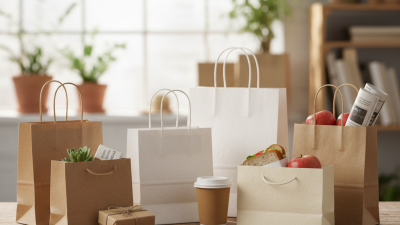
When considering eco-friendly shopping, paper carrier bags offer a sustainable alternative to plastic. In China, many brands are innovating with paper bags that are both stylish and functional. These bags come in various sizes and designs, catering to diverse shopping needs. They are typically made from recycled materials, making them a more environmentally-friendly choice.
Tips for selecting the right paper carrier bag include checking for reinforced handles. Strong handles ensure that the bags can carry heavier items without ripping. Additionally, look for bags with a water-resistant coating. This feature protects contents from moisture, which is crucial for food items and other delicate products. Not all paper bags are created equal, so be mindful of the thickness and quality.
While many paper bags are biodegradable, there’s a catch: not all are created with the same care for the environment. Some may contain harmful chemicals in their manufacturing process. It’s worth investigating the materials used. Look for certifications that indicate sustainability, ensuring your choice is genuinely eco-friendly. Even with these options, the challenge remains in raising awareness about the importance of making better shopping choices. With awareness, every purchase can contribute to a more sustainable future.
Material Composition of Eco-Friendly Paper Bags
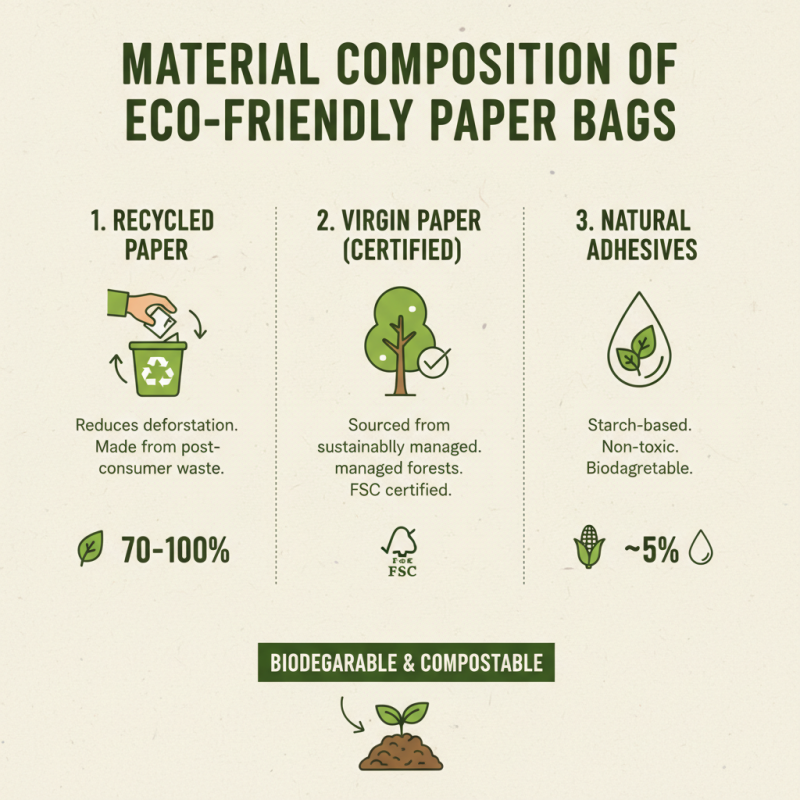
Eco-friendly paper bags are a popular choice for shoppers looking to reduce their environmental impact. The material composition of these bags plays a crucial role in their sustainability. Most eco-friendly paper bags are made from recycled paper, which helps reduce deforestation. Recycled paper can come from various sources, including post-consumer waste, making it a responsible option.
Additionally, eco-friendly bags often use plant-based inks and adhesives, further minimizing their environmental footprint. These materials decompose more easily compared to plastic alternatives. Despite these advantages, there can still be challenges. Some paper bags may not be strong enough for heavy items. Consumers might find that certain designs lack durability.
It's important to consider the entire lifecycle of paper bags. The production process can be resource-intensive, consuming water and energy. Choosing the right paper bag will depend on individual needs. Shoppers may have to balance convenience with sustainability. By reflecting on these factors, consumers can make more informed decisions about their shopping habits.
Design Innovations in Sustainable Paper Shopping Bags
In recent years, design innovations in sustainable paper shopping bags have gained momentum. A report by Smithers Pira indicates that the global market for paper bags is projected to reach 4.5 billion USD by 2024. This growth reflects increasing consumer awareness and a shift towards eco-friendly products. Many manufacturers are focusing on lightweight yet sturdy designs. These bags reduce carbon footprints while maintaining usability.
Unique features are becoming commonplace. Biodegradable coatings and plant-based inks are now integrated into design processes. Research shows that 70% of consumers prefer sustainable packaging. These choices drive brands to innovate continuously. However, not all innovations are perfect. Some paper bags still lack durability compared to plastic options. Feedback from consumers indicates that while many appreciate the eco-friendly aspect, they also expect better strength.
Sustainability in design is a balancing act. Companies are exploring new materials, but challenges remain. The quest for a fully sustainable paper bag that meets customer expectations continues. The evolution of paper shopping bags showcases a commitment to both the environment and consumer needs. Addressing these challenges is essential for future growth in this market.
Comparative Analysis of Pricing for Eco-Friendly Options
The demand for eco-friendly shopping solutions in China is on the rise. With growing awareness of environmental issues, consumers are actively seeking alternatives to traditional plastic bags. A recent industry report indicates that the market for paper carrier bags is set to grow at a CAGR of 4.5% through 2025. However, pricing remains a significant factor influencing consumer choices.
The average price for eco-friendly paper bags varies widely. Reports show that bulk purchases can cost as low as $0.10 per bag, while premium options may go up to $1.00 each. Many consumers find it challenging to justify the cost difference compared to plastic alternatives, which are often cheaper and more accessible. Yet, the long-term environmental benefits might not always be apparent, leading to hesitation in switching habits.
As companies innovate, transparency in pricing and material sourcing increases in importance. There is still a gap in consumer understanding of the true value of eco-friendly products. For instance, many shoppers overlook the lifecycle emissions of paper versus plastic bags, leading to potentially misguided purchasing decisions. Education on these aspects is crucial for promoting sustainable practices.
Consumer Preferences and Trends in Eco-Friendly Shopping Bags
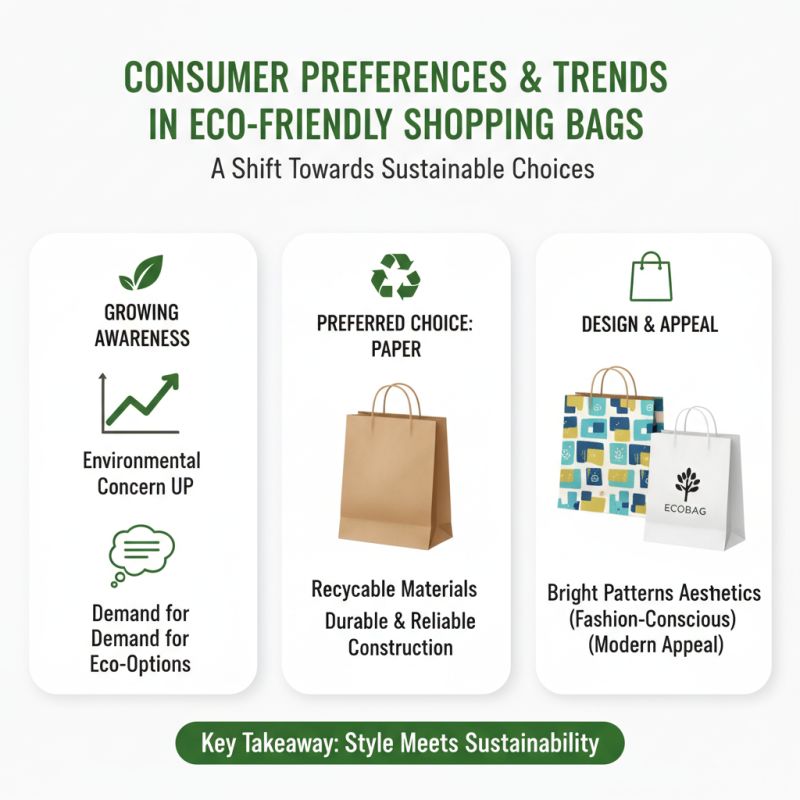
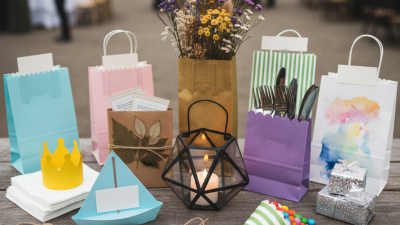
As consumer awareness of environmental issues grows, the demand for eco-friendly shopping options rises. Many shoppers now prefer paper carrier bags made from recyclable materials. These bags often feature stylish designs and durability, appealing to a wide range of consumers. Bright patterns and minimalist aesthetics attract fashion-conscious buyers, while sturdy construction satisfies the need for reliability.
However, there are challenges. Some consumers question the sustainability of paper bags compared to reusable ones. They worry about the environmental cost of producing and transporting these bags. Additionally, it’s essential to educate shoppers on proper disposal and recycling methods. Awareness of the lifecycle of paper products is often lacking. This gap in knowledge affects consumer decisions, leading to mixed preferences in eco-friendly shopping choices.
In retail, the trend is shifting towards transparency. Shoppers seek information about the materials used and production practices. Brands must reflect this demand for clarity in their marketing strategies. As consumer preferences evolve, retailers face both opportunities and challenges in sourcing and providing eco-friendly paper carrier bags. Balancing style, function, and sustainability remains a complex task that requires ongoing reflection and improvement.



 WeChat QR
 WhatsApp QR