Best Printed Paper Bags for Sustainable Packaging Solutions?
In recent years, the demand for sustainable packaging solutions has surged. Printed paper bags have emerged as a preferred choice among eco-conscious businesses. According to a report by Smithers Pira, the global market for paper bags is projected to grow at a CAGR of 4.4% through 2028. This growth reflects a significant shift towards sustainable alternatives that meet consumers' expectations.
Industry expert, John Anderson, noted, "Printed Paper Bags not only reduce plastic waste but also enhance brand image." This statement highlights the dual benefits of using these bags. Retailers are increasingly recognizing that sustainable packaging can attract more customers. For instance, 70% of consumers are willing to pay a premium for sustainable products, emphasizing the financial incentives behind adopting these practices.
However, it's essential to acknowledge the challenges. Not all printed paper bags are created equal. Some may lack durability and fail under pressure. This inconsistency can lead to customer dissatisfaction. Businesses must carefully evaluate the quality of printed paper bags to ensure they align with sustainability goals while delivering reliable performance.
Types of Printed Paper Bags for Sustainable Packaging Solutions
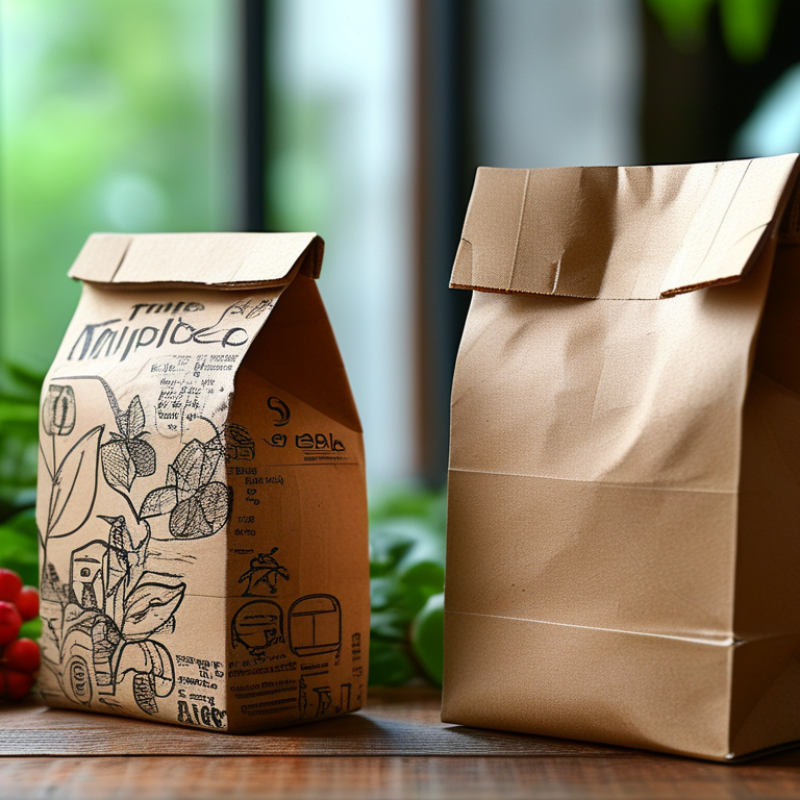
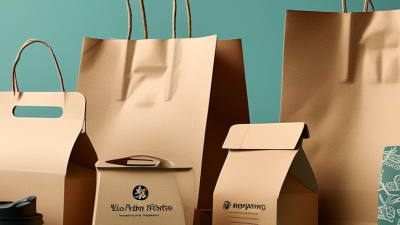
Printed paper bags are gaining traction as a sustainable packaging solution. Various types cater to different needs, making them an ideal choice for eco-conscious brands. One popular option is kraft paper bags. These bags are durable and recyclable, offering a reliable alternative to plastic. According to a report by Smithers Pira, the market for sustainable packaging is projected to reach $500 billion by 2024. This highlights the rising demand for eco-friendly products.
Another type worth considering is flat paper bags. Their simple design makes them versatile for various products. They are often made from recycled materials, enhancing the sustainability factor. A study by the Sustainable Packaging Coalition notes that 72% of consumers prefer brands that offer sustainable packaging. This is significant for businesses aiming to build a loyal customer base.
**Tip:** Always check whether your printed paper bags are sourced from certified suppliers. This ensures that your packaging choices reflect your commitment to sustainability. Finding bags that balance quality and eco-friendliness can be challenging. Focus on reviewing materials and manufacturing processes. You want to create a positive impact while meeting consumer expectations.
Benefits of Using Printed Paper Bags Over Plastic Alternatives
Printed paper bags stand out as an eco-friendly alternative to plastic. Their production often involves renewable resources and is typically more biodegradable. Many consumers feel better when choosing sustainable options. Using printed paper bags helps reduce plastic waste. They offer a unique way to showcase your brand's commitment to the environment.
When considering the transition from plastic to paper, think about the visuals. A well-designed paper bag can enhance your brand's image. The tactile experience of paper also adds a layer of quality. Customers often perceive these bags as more luxurious. Although they can be more expensive to produce, the long-term benefits may outweigh the costs.
Tip: Always choose recycled paper when selecting printed bags. This ensures that you are contributing to a sustainable cycle. Assess your local recycling guidelines for proper disposal, as not all paper bags are recyclable. Remember, the shift from plastic is not perfect. There may be times when paper bags don't meet all needs, especially in moisture-prone scenarios. Reflect on creative ways to address these limitations while remaining committed to sustainability.
Design Considerations for Effective Printed Paper Bag Branding
When considering printed paper bags for branding, several design factors emerge as vital.
Eye-catching graphics are essential, as research indicates that 70% of consumers make decisions based on visual impact.
Sustainable materials play a significant role; 81% of consumers prefer brands that use eco-friendly packaging.
A sleek design using recyclable paper communicates commitment to sustainability.
Color choice also influences consumer perception. Bright colors attract attention, while muted tones offer a sense of sophistication.
Studies show that colors increase brand recognition by up to 80%.
Logos should be clear and easy to read. Overly complex designs can confuse customers.
The average person takes just 7 seconds to form a first impression.
Adding textures can enhance the tactile experience. However, this raises production costs and may not always achieve the desired effect.
Some brands face challenges balancing aesthetics with functionality.
Inconsistent branding can dilute recognition. Focusing on these elements helps create an effective brand statement while fostering consumer trust.
Sourcing and Manufacturing Considerations for Eco-Friendly Paper Bags
When sourcing and manufacturing eco-friendly paper bags, several factors come into play. The global packaging market is expected to reach over $500 billion by 2025, with a significant shift towards sustainable options. According to a recent report by Smithers Pira, paper packaging is projected to grow at a CAGR of 3.9% annually. This indicates rising demand for printed paper bags that are both functional and environmentally friendly.
One critical aspect is the choice of materials. Sourcing recycled paper instead of virgin pulp can significantly reduce environmental impact. This creates a compelling case for manufacturers to ensure their supply chains are both sustainable and ethical. Interestingly, a study showed that about 70% of consumers prefer brands that use sustainable packaging. This growing preference pushes brands to rethink their strategies. Nonetheless, challenges remain. Sourcing quality recycled materials can be inconsistent, affecting production schedules and costs.
Additionally, production methods matter. Using water-based inks and biodegradable glues can enhance the eco-friendliness of paper bags. These options may come at a premium, yet they align with consumer values. In contrast, many manufacturers still rely on conventional practices, often underestimating the long-term benefits of sustainable choices. As the industry evolves, constant reevaluation of materials and methods will be essential to meet both market demand and ecological standards.
Regulations and Certifications for Sustainable Printed Packaging Solutions
Sustainability in packaging is increasingly vital. Printed paper bags are at the forefront of this movement. However, they must meet various regulations and certifications to be considered truly sustainable. According to the Environmental Protection Agency, paper products must come from responsibly managed forests. This is a crucial indicator of sustainability.
Many certifications exist. For example, the Forest Stewardship Council (FSC) ensures that paper comes from forests that are responsibly managed and protected. In addition to this, the Sustainable Forestry Initiative (SFI) promotes sustainable forestry practices. Packaging that meets these standards often appeals more to environmentally conscious consumers. A recent study revealed that 73% of consumers consider sustainable packaging a key factor in their purchasing decisions.
However, challenges remain. Some manufacturers may struggle to source materials that fulfill these sustainability criteria. In many cases, the cost of certified materials can be higher, impacting the packaging price. This creates a tension between sustainability and affordability. Industry stakeholders need to address these issues, striving for improvements in supply chain transparency and integrity. The journey toward sustainable printed packaging is ongoing and requires collective effort.





 WeChat QR
 WhatsApp QR