China Best Large Paper Bags for Your Business Needs?
In today's competitive market, the demand for large paper bags is on the rise. Businesses seek reliable and attractive packaging solutions. Large paper bags offer a sustainable option that aligns with eco-friendly values. These bags are versatile, suitable for retail, events, and promotions. Their durability assures customers that their purchases are well-secured.
Choosing the right large paper bags can be challenging. Quality varies greatly across suppliers. Some bags may not withstand heavy loads, leading to potential customer dissatisfaction. It's crucial to evaluate materials and production standards. Customization options can enhance brand visibility but may come with added costs. Striking a balance between quality and affordability is essential for success.
When sourcing large paper bags in China, examine the suppliers' reputation. Look for certifications and customer reviews that reflect their expertise. A good supplier will prioritize transparency and reliability. Don't overlook the importance of testing samples before bulk orders. This careful approach can prevent future complications and ensure that your business stands out.

Top Features to Consider When Choosing Paper Bags for Your Business
When selecting paper bags for your business, certain features are crucial. Durability is key. A sturdy bag withstands weight and wear. Look for options made from high-quality paper. This ensures your bags won’t tear easily during transport.
Consider the size and design of the bags. They should accommodate various products while still being easy to handle. Customizable designs can enhance your brand image. Eye-catching graphics attract customers. Simple designs may appeal to minimalist preferences.
Tips: Evaluate your product requirements. Do you need small bags for cosmetics or larger ones for apparel? Also, think about eco-friendliness. Consumers appreciate sustainable options. Using recyclable materials boosts your brand's reputation. Testing different styles may reveal unexpected preferences. It can be a bit uncertain, but feedback is valuable.
Sales Comparison of Paper Bags by Type
Sustainable Materials: Why Eco-Friendly Paper Bags Matter
In today's market, sustainable materials are becoming increasingly important. Eco-friendly paper bags hold significant value not only for consumers but also for businesses. These bags are made from renewable resources, reducing our reliance on plastic. Consumers today prefer brands that show commitment to environmental responsibility.
Using eco-friendly bags can enhance a brand's image. Companies that prioritize sustainability often attract a conscious audience. This practice may lead to customer loyalty, which is invaluable. However, some businesses hesitate. They worry about higher costs or durability compared to plastic alternatives. But investing in sustainable options can yield long-term benefits.
Brands must be transparent about their materials and practices. Sharing their journey in switching to sustainable options can resonate with customers. Also, it’s essential to educate both staff and consumers on proper disposal and recycling methods. This collective effort can foster a more significant impact on reducing environmental harm.
Types of Paper Bags: A Comprehensive Guide for Businesses
In the realm of business packaging, paper bags stand out for their versatility and eco-friendly nature. Businesses seeking effective branding solutions can choose from various types of paper bags. Each type serves different functional and aesthetic purposes. For instance, flat paper bags are simple, yet very suitable for lightweight items. They provide a clean and minimalistic look that enhances branding efforts.
Another option is the kraft paper bag, known for its sturdiness and sustainability. These bags are ideal for retail environments, often used for carrying groceries or gifts. Their earthy tones and textures can complement many products. However, they may lack the security features of other types. Businesses might find it beneficial to weigh the pros and cons of each type carefully.
Furthermore, there are paper bags with handles, which enhance user convenience. These bags make the carrying process easier for customers. Yet, they may not always lend themselves to all branding strategies. Understanding the specific needs of the business and target audience is crucial. Testing various types can lead to valuable insights.
China Best Large Paper Bags for Your Business Needs
| Bag Type |
Material |
Size (cm) |
Weight Capacity (kg) |
Eco-Friendly |
| Kraft Paper Bag |
Kraft Paper |
40 x 30 x 10 |
5 |
Yes |
| Luxury Paper Bag |
Coated Paper |
35 x 25 x 10 |
3 |
Yes |
| Grocery Paper Bag |
Brown Paper |
50 x 40 x 15 |
7 |
Yes |
| Custom Printed Bag |
Art Paper |
45 x 35 x 10 |
4 |
Yes |
| Wine Paper Bag |
Kraft Paper |
12 x 12 x 40 |
2 |
Yes |
Printing Options: Customizing Your Paper Bags for Brand Visibility
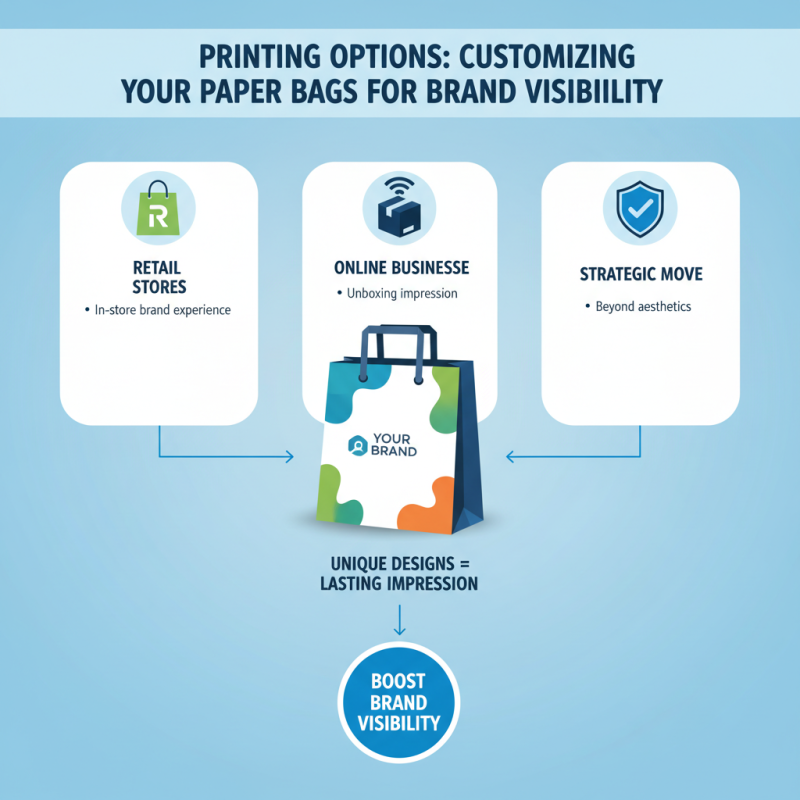
Customizing your paper bags can significantly boost your brand visibility. Whether you run a retail store or an online business, unique designs make a lasting impression. By choosing the right colors and graphics, your bags can reflect your brand's identity. This approach isn’t just about aesthetics; it’s a strategic move.
Consider using eco-friendly materials as part of your printing options. Consumers appreciate sustainable choices, adding to your value. However, achieving the right balance between style and sustainability can be challenging. Testing various designs may lead to insights on what resonates with your audience. It’s important to revisit and refine your ideas throughout the process.
Printing techniques also play a critical role. Options like foil stamping or embossing enhance the tactile experience. Yet, these methods can be costly and time-consuming. Be prepared to evaluate whether they align with your budget and timeline. There’s always room for improvement and innovation in your approach to customized paper bags.
Supplier Selection: How to Find the Best Paper Bag Manufacturer in China
When selecting a paper bag manufacturer in China, evaluating supplier credibility is crucial. According to industry reports, the global paper bag market is projected to grow significantly, reaching over $4 billion by 2025. This underscores the importance of finding reliable partners to meet increasing demand.
One key tip is to consider the manufacturer's experience. A company with at least five years of production history often signals stability and quality. Delve into their portfolio to assess past partnerships. Look for case studies or testimonials that highlight their capability and reliability. This insight can help ensure your chosen supplier aligns with your business needs.
Neglecting supplier certifications can lead to significant risks. Ensure they have the necessary certifications to meet international quality standards. Inadequate quality assurance can lead to product failures and financial loss. Don’t hesitate to ask for samples before committing to larger orders. This step can save you from potential problems in the long run.
Ultimately, transparency in communication is vital. Engage in discussions regarding materials, production processes, and lead times. Manufacturers that are open about their practices can build a foundation of trust. Consider suppliers who are willing to accommodate specific requests, as adaptability often indicates a commitment to client satisfaction.






 WeChat QR
 WhatsApp QR