Top Tips for Choosing the Best Printed Paper Bags?
When it comes to selecting the best Printed Paper Bags, industry expert Jane Smith emphasizes the importance of understanding your brand's needs. She states, “A well-designed printed paper bag reflects your brand's identity.” Choosing the right printed paper bags can enhance customer experience and brand recognition.
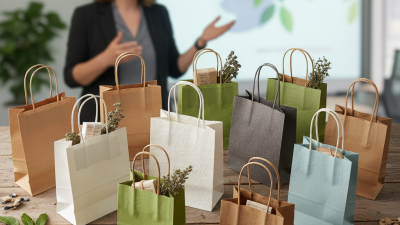
Consider the various options available. Printed paper bags come in different sizes, colors, and designs. Think about the materials used. Some bags promise durability, while others are more eco-friendly. Assessing your target audience is crucial. What appeals to them? What message do these bags convey?
Quality should not be overlooked. Cheap printed paper bags may save you money, but they can hurt your brand's image. Be cautious of your choices. A poorly made bag can discourage customers. Making an informed decision in choosing the right printed paper bags reflects the value of your brand.
Understanding the Different Types of Printed Paper Bags Available in the Market
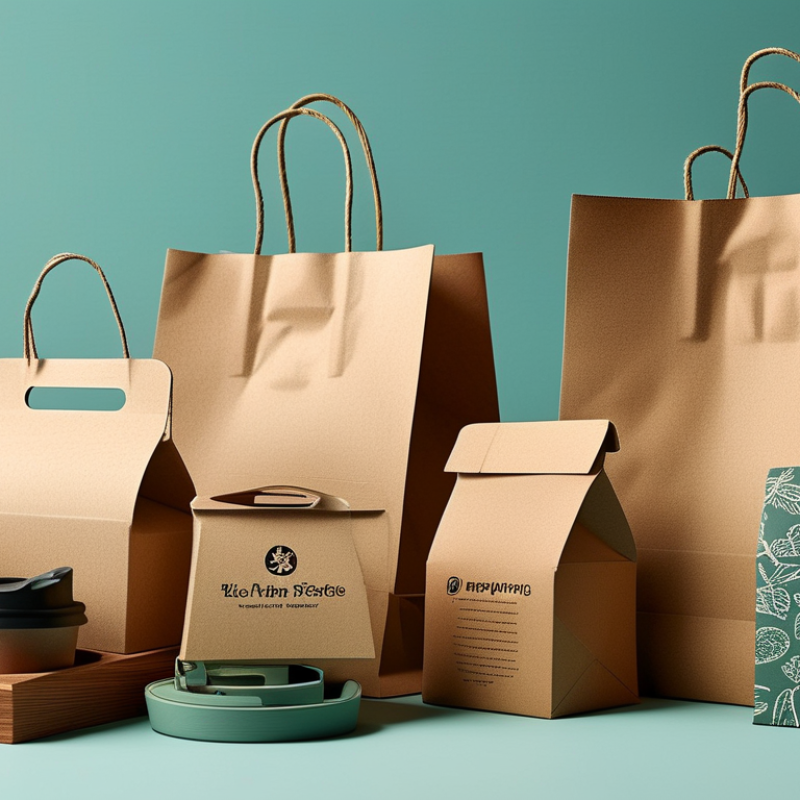
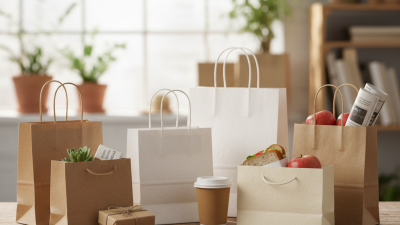
When considering printed paper bags, it is crucial to understand the various types available in the market. There are flat paper bags, die-cut bags, and kraft paper bags, each serving a distinct purpose.
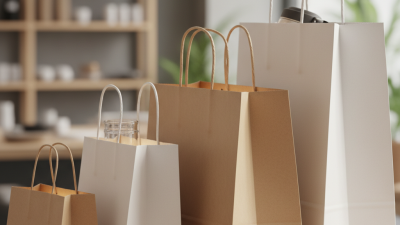
Flat paper bags are commonly used for lightweight items, making them ideal for boutiques. Die-cut bags have handles, offering convenience and usability, often seen in retail settings. Kraft paper bags provide sturdiness and sustainability, suitable for eco-conscious brands.
According to a recent industry report, the global paper bags market was valued at $4.5 billion in 2022 and is projected to grow at a CAGR of 4.9% from 2023 to 2030. This growth reflects the rising demand for sustainable packaging solutions. However, not all printed paper bags are equal in quality. It is important to assess grammage and material type to ensure durability. A lower grammage might save costs but may compromise strength.
In the quest for effective packaging, customization options like printing techniques and colors can greatly impact brand visibility. Digital printing is gaining popularity due to its versatility and ability to produce vibrant designs. Yet, one must balance quality with cost. Some businesses might succumb to the allure of cheaper options, risking their brand reputation. Understanding these nuances can lead to better decisions in your packaging strategy.
Key Factors to Consider When Selecting Printed Paper Bags for Branding
When selecting printed paper bags for branding, several key factors must be evaluated. One crucial element is the material used. High-quality, eco-friendly paper not only enhances durability but also aligns with sustainable practices. Consider the weight and thickness. A sturdy bag conveys a message of reliability. It’s essential that the bags can hold the items without tearing or breaking.
Next, focus on design elements. Colors, fonts, and graphics should reflect your brand identity. Think about how your logo will appear on the bag. The size matters too. A bag too small may not serve its purpose, while one that is overly large can look unprofessional. Ensuring the right size enhances usability and visually appeals to customers.
Don’t overlook functionality. Handles should be comfortable and strong. Customers appreciate bags that are easy to carry. Packaging that is both attractive and practical tends to leave a lasting impression. It’s vital to think long-term. A poor choice may lead to wasted resources and negative perceptions of your brand. Balancing aesthetics and utility is challenging but necessary for impactful branding.
Top Tips for Choosing the Best Printed Paper Bags
| Factor |
Description |
Importance |
| Material Quality |
Choose durable materials that can hold weight and resist tearing. |
High |
| Size Options |
Consider various sizes to fit different products and customer needs. |
Medium |
| Print Quality |
Ensure high-resolution printing for logos and designs to enhance branding. |
High |
| Eco-Friendliness |
Opt for recyclable or biodegradable materials to appeal to environmentally conscious consumers. |
High |
| Customizability |
Choose manufacturers that offer options for custom designs, colors, and finishes. |
Medium |
| Cost |
Evaluate the price per unit while considering quality to stay within budget. |
High |
| Lead Time |
Check production and delivery timelines to ensure bags arrive when needed. |
Medium |
Analyzing Environmental Impact: Choosing Eco-Friendly Paper Bag Options
When analyzing the environmental impact of paper bags, it's essential to consider the source of the paper. Around 70% of the world's paper comes from forests. Prioritizing recycled materials can significantly reduce deforestation. According to a 2021 report from the Environmental Paper Network, using recycled paper can save 60% of energy compared to virgin fiber production.
Biodegradability is another crucial factor. Paper bags can decompose naturally in about six months under proper conditions. In contrast, plastic bags might linger in the environment for hundreds of years, contributing to pollution. However, not all paper bags are created equal. The production process can still emit substantial amounts of CO2, which requires scrutiny.
Think about certifications. Choosing bags with certifications like FSC or SFI ensures sustainable forest management practices. These certifications promote responsible practices in forestry. The World Wildlife Fund states that sustainably sourced paper can reduce overall carbon footprint by approximately 50%. Eco-friendly options are critical for brands wanting to showcase their commitment to sustainability in a world increasingly concerned about climate change.
Cost-Effectiveness: Balancing Quality and Price in Printed Paper Bags
When selecting printed paper bags, cost-effectiveness is crucial. Achieving the right balance between quality and price can be challenging. Low-cost options might seem tempting, but they often compromise on durability and design. A bag that tears easily can damage your brand's reputation.
Consider the material of the paper bag. Thicker paper typically costs more but ensures better strength. This investment often pays off in the long run. For example, a sturdy bag can support heavy products and reduce the risk of customer complaints. Paying attention to the printing quality is equally important. Poor prints fade quickly, leading to a loss of brand visibility.
Moreover, think about your target audience. Are they looking for eco-friendly options? Sustainable materials might be pricier but could enhance your brand image. Sometimes, paying a bit more can lead to higher customer satisfaction. Reflect on what your customers value and align your choices accordingly. Making informed decisions will lead to long-lasting results.
Trends and Innovations in Printed Paper Bag Designs for 2023
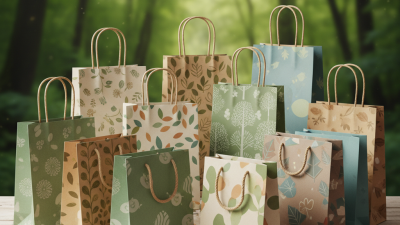
In 2023, printed paper bag designs are witnessing exciting trends and innovations. Eco-friendly materials are becoming essential. Brands are adopting biodegradable and recyclable options. This shift not only helps the environment but also enhances brand image. Customers appreciate the move towards sustainability. Simplicity is trending in design as well. Minimalistic patterns with bold colors capture attention easily. Clean lines and open spaces make messages pop.
Personalization is gaining traction too. Brands are starting to customize bags for their consumers. Unique graphics or personal messages create a connection. Such bags can elevate the shopping experience and foster loyalty. However, over-personalization can backfire. Not every design will resonate with every customer. Finding the right balance is crucial for success.
Incorporating tech is another noteworthy innovation. QR codes or augmented reality elements are being added. These features provide an interactive experience for users. However, they can complicate the design process. It’s essential to maintain readability while incorporating tech. Brands must reflect on how these innovations align with their values. Not everything new will fit every business.




 WeChat QR
 WhatsApp QR