Leave Your Message

Top 10 Benefits of Paper Carrier Bags for Eco Friendly Shopping?

In recent years, the shift towards eco-friendly shopping has gained significant momentum. Among the various options available, Paper Carrier Bags have emerged as a popular choice. These bags offer a range of benefits that align with a sustainable lifestyle. They provide a reliable alternative to plastic bags, which contribute to environmental degradation.

Paper Carrier Bags are biodegradable, allowing them to decompose naturally. This reduces their impact on landfills and oceans. They are strong and versatile, making them suitable for various shopping needs. Many retailers now choose these bags, recognizing their potential for branding and consumer appeal. However, it is crucial to consider the life cycle of these bags, from production to disposal.

Despite their advantages, some may argue that Paper Carrier Bags have a larger carbon footprint than reusable bags. This debate emphasizes the need for continuous improvement in eco-friendly practices. Ultimately, embracing Paper Carrier Bags is a step toward more responsible consumption. They represent a growing awareness of our environmental responsibilities and a commitment to making a difference, one bag at a time.
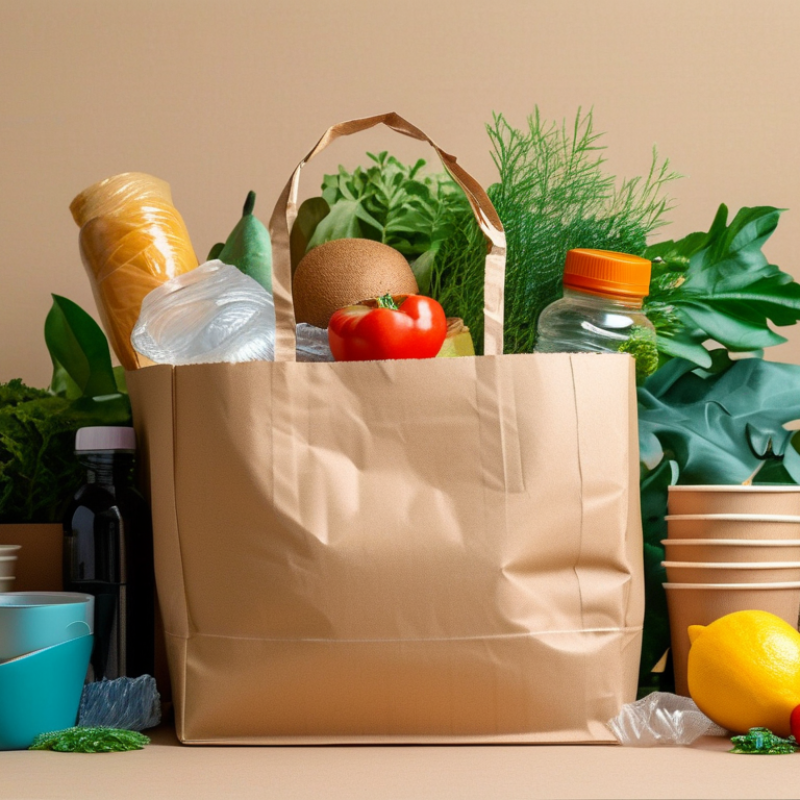
Top 10 Benefits of Paper Carrier Bags for Eco Friendly Shopping?

Benefits of Paper Carrier Bags: A Sustainable Choice for Shoppers

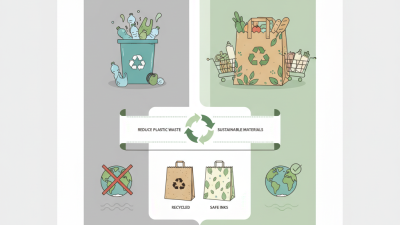
Paper carrier bags have become a popular choice for eco-friendly shopping. Shoppers increasingly recognize their environmental benefits. Unlike plastic bags, paper bags are recyclable and biodegradable. They break down naturally, reducing landfill waste. This aligns with the growing demand for sustainability in our daily choices.

Using paper carrier bags supports sustainable forestry practices. Many manufacturers source paper from responsibly managed forests. This reduces deforestation and promotes a healthier ecosystem. Switching to paper bags helps combat the plastic pollution crisis. Shoppers who choose paper demonstrate their commitment to the environment.

However, there are challenges. Not all paper bags are created equal. Some require more resources to produce. Shoppers must consider their options carefully. Despite these concerns, the advantages of paper bags are clear. They provide a tangible way to contribute to a greener planet. Making small changes in our shopping habits can lead to significant impacts.

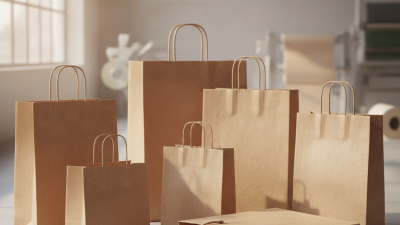
Reduction in Plastic Waste: Statistics on Paper Bags vs. Plastic Bags

The environmental impact of plastic waste is alarming. In 2018 alone, approximately 300 million tons of plastic waste was generated globally. This statistic showcases a growing problem. Paper bags present a viable solution, with a significant reduction in plastic reliance.

A study by the British Retail Consortium indicates that switching from plastic to paper bags can cut plastic waste by over 75%. Paper bags are biodegradable, allowing them to decompose in a matter of weeks. In contrast, plastic bags can take hundreds of years to break down, continuing to pollute land and marine ecosystems.

However, the production of paper bags is not without concerns. They require more energy and water than plastic bags during manufacturing. Some argue that this offsets the environmental benefits. Despite concerns, paper bags remain a more sustainable option when used multiple times. Reusing paper bags can further diminish waste generation. Collectively, these factors highlight the complex conversation surrounding eco-friendly shopping solutions.

Biodegradability of Paper Bags: Environmentally Friendly Decomposition Rates

The biodegradability of paper bags is a significant benefit for eco-friendly shopping. Paper bags can decompose naturally within a few months in a suitable environment. This contrasts sharply with plastic bags, which may take hundreds of years to break down. When paper bags are discarded, they contribute less to landfill waste.

Paper bags break down into organic matter, enriching soil and helping plants grow. Their fibers can re-enter the ecosystem, making them a more sustainable choice. However, not all paper bags are created equal. Some may contain harmful inks or coatings, affecting their environmental impact. It's essential to choose uncoated, natural paper bags to maximize their eco-friendliness.

Education on correct disposal methods can enhance the benefits. If paper bags end up in a compost bin, they can decompose even faster. Yet, many consumers still throw them away carelessly. Increased awareness is key to ensuring they serve their purpose in promoting sustainability. Finding balance in usage and disposal is crucial for a greener future.

Recyclability of Paper Bags: Industry Standards and Recycling Rates Explained

Paper bags are lauded for their recyclability. According to industry standards, around 70% of paper bags are recycled in the United States. This high rate demonstrates their environmental credibility. Paper bags can decompose in just a few months, making them a more sustainable option compared to plastic.

However, not all paper bags are created equal. The recycling process varies based on the bag's quality and the local recycling facilities. Some paper bags coated with plastic may not be recyclable. This poses a challenge to sustainability efforts. A report by the EPA highlights that only about 55% of paper products are actually recycled effectively.

Despite these challenges, the push for better recycling infrastructure is ongoing. Many municipalities are improving their systems to accept more types of paper bags. The industry is also working on innovations to enhance bag materials' recyclability. This commitment reflects a growing recognition of the need for environmentally friendly practices in shopping. It’s a step forward, yet there's much work to be done in improving overall recycling rates.

Consumer Preference Trends: The Shift Towards Eco-Conscious Packaging Solutions

Consumer preferences are noticeably shifting towards eco-conscious packaging solutions. More shoppers are now prioritizing sustainability when making purchasing decisions. This trend reflects a growing awareness of environmental issues among consumers. They are eager to adopt practices that help reduce waste and pollution.

Paper carrier bags are often seen as a preferred alternative. They are biodegradable and recyclable, which appeals to many environmentally responsible shoppers. Using these bags helps reduce plastic pollution significantly. Unlike plastic bags, they break down naturally, minimizing their impact on wildlife and ecosystems. However, it's essential to consider that not all paper bags are created equal. Some may still utilize harmful chemicals during production.

Additionally, the actual effectiveness of paper bags in reducing environmental impact can vary. Durability is a concern; however, they can often carry heavier loads when properly designed. Despite their advantages, the increased demand for paper bags may lead to over-consumption of resources like trees. This paradox highlights the complexity of sustainable practices. It is crucial for consumers to remain educated and reflective about their choices.

Top 10 Benefits of Paper Carrier Bags for Eco Friendly Shopping

Benefit Description Environmental Impact
Biodegradable Easily decomposes over time, reducing landfill waste. Reduces long-term pollution.
Recyclable Can be recycled into new paper products, conserving resources. Decreases need for virgin materials.
Sustainable Source Made from renewable resources like trees from responsibly managed forests. Promotes sustainable forestry practices.
Customizable Easily printed with logos and designs, enhancing brand visibility. Encourages businesses to adopt eco-friendly branding.
Durable Strong and sturdy, capable of carrying heavy items without tearing. Encourages reuse instead of single-use plastics.
Lightweight Easy to carry and handle, providing convenience for shoppers. Lower transportation emissions compared to bulkier materials.
Versatile Suitable for various retail environments, from groceries to boutiques. Supports diverse eco-friendly shopping habits.
Consumer Preference Increased preference for eco-friendly options among consumers. Encourages sustainable purchasing decisions.
Cost-Effective Competitive pricing compared to plastic options, supporting small businesses. Promotes sustainability without financial burden.
Healthier Option Free from harmful chemicals often found in plastic bags. Protects both consumers and the environment.