How to Choose the Right Large Paper Bags for Your Business Needs?
Choosing the right large paper bags for your business is crucial. These bags are not just containers; they reflect your brand's identity. High-quality large paper bags can enhance customer experience. They also influence purchasing decisions, making your choice even more important.
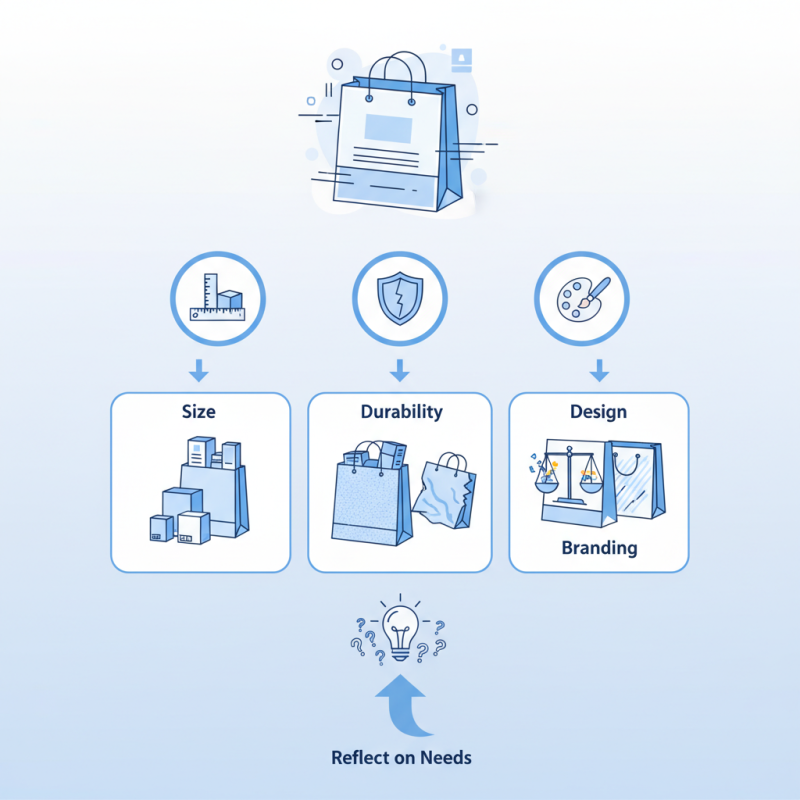
When considering large paper bags, think about size, durability, and design. A bag that easily fits products can boost satisfaction. On the other hand, weak materials may lead to dissatisfaction. This could harm your brand's reputation.
Moreover, the design should align with your branding. Bright colors and logos can attract attention. Yet, simplicity often resonates better with customers. Finding the right balance can be challenging. Your options may be overwhelming at first. Reflecting on your needs will guide you to the ideal solution.
Understanding the Importance of Large Paper Bags in Retail Industry
In the retail industry, large paper bags are essential tools for branding and customer satisfaction. Data shows that 62% of consumers prefer paper bags over plastic ones. This preference reflects a growing trend towards sustainability. Many brands have adopted eco-friendly practices. Large paper bags allow businesses to showcase their commitment to environmental responsibility.
The design and functionality of large paper bags play a significant role. According to a recent report, well-designed bags can increase brand recognition by 30%. Customers notice visually appealing packaging. However, not all businesses invest in quality materials. Some bags may lack durability, leading to a poor customer experience. Flimsy bags can undermine positive brand perceptions.
Understanding the right size and style is crucial. Large paper bags need to accommodate various products without tearing. A report indicated that 75% of shoppers value practicality in packaging. This highlights the importance of functionality alongside aesthetics. Businesses must reflect on the balance between design and usability. Not addressing these elements can lead to missed opportunities in customer retention.
How to Choose the Right Large Paper Bags for Your Business Needs?
| Bag Type |
Material |
Weight Capacity (lbs) |
Eco-Friendliness |
Best Use Case |
| Gusseted Bags |
Kraft Paper |
15 |
Yes |
Groceries, Retail |
| Flat Paper Bags |
Recycled Paper |
10 |
Yes |
Small gifts, Bakery |
| Handle Bags |
Santa Paper |
20 |
Yes |
Clothing, Accessories |
| Luxury Paper Bags |
Coated Paper |
25 |
Yes |
High-end stores, Gifts |
| Custom Printed Bags |
Kraft or Coated |
15-20 |
Depends on design |
Brand Promotion, Events |
Identifying the Right Material for Large Paper Bags: Options and Benefits
Choosing the right material for large paper bags can significantly impact your business. One common choice is kraft paper. It is durable and recyclable. Businesses often appreciate its strength. This paper also provides a natural look, appealing to eco-conscious consumers.
Coated paper is another option. It offers a glossy finish, enhancing colors and designs. This type is ideal for retail settings where brand presentation matters. However, it may not be as environmentally friendly as kraft paper. Businesses must weigh durability against eco-friendliness in this choice.
Consideration of weight and thickness is crucial. Heavier paper can hold more but might increase shipping costs. Light options save money but may lack sturdiness. It is essential to assess your product and customer needs carefully. Finding the right balance can be challenging but rewarding.
Material Options and Their Benefits for Large Paper Bags
This chart illustrates the benefits score for different types of materials used in large paper bags, helping businesses choose the right option based on their needs. The scores reflect factors such as durability, recyclability, and visual appeal.
Evaluating Size and Dimensions: How to Match Bags to Your Product Needs
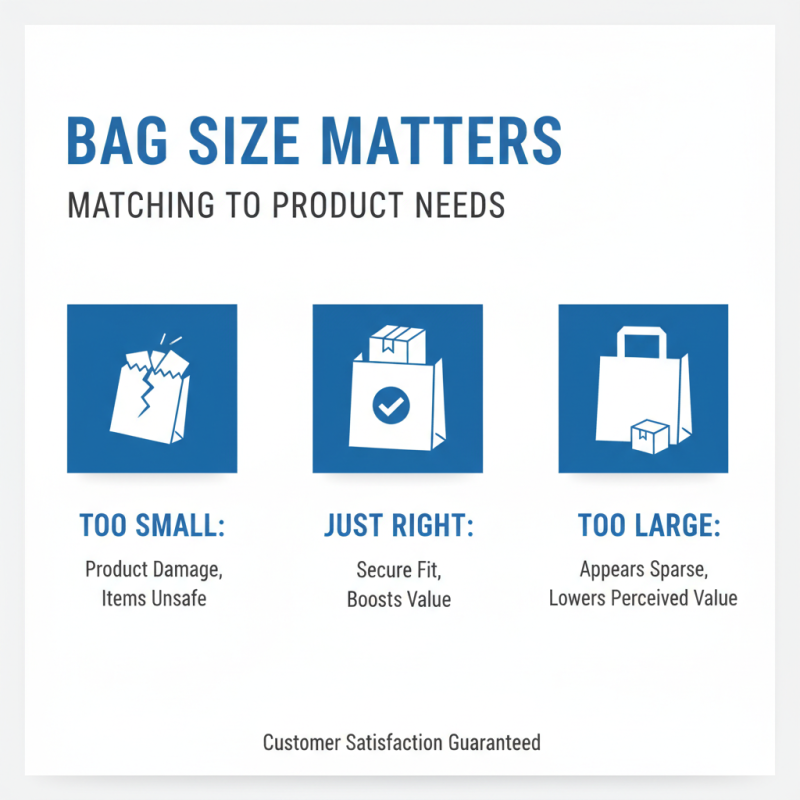
Choosing the right size and dimensions for large paper bags is crucial for any business. The fit of a bag can directly influence customer satisfaction. If a bag is too small, products may not fit securely, leading to damage. On the other hand, overly large bags can make items appear sparse, diminishing their perceived value.
When evaluating sizes, consider the products you offer. Measure the height, width, and depth of your items. Keep in mind that bags need to accommodate not just the product, but also any additional packaging. This ensures a perfect fit. Too often, businesses overlook this aspect, resulting in lost sales or customer complaints.
Visualize the shopping experience. A well-fitted bag enhances the overall impression. If your bag is suitable, customers will feel their purchase is protected. Yet, businesses sometimes order generic sizes without considering their unique product shape. This can lead to frustration. Balancing practicality and aesthetics is essential. Consider customer feedback to refine your bag choice continuously.
Assessing Environmental Impact: Choosing Eco-Friendly Paper Bag Options
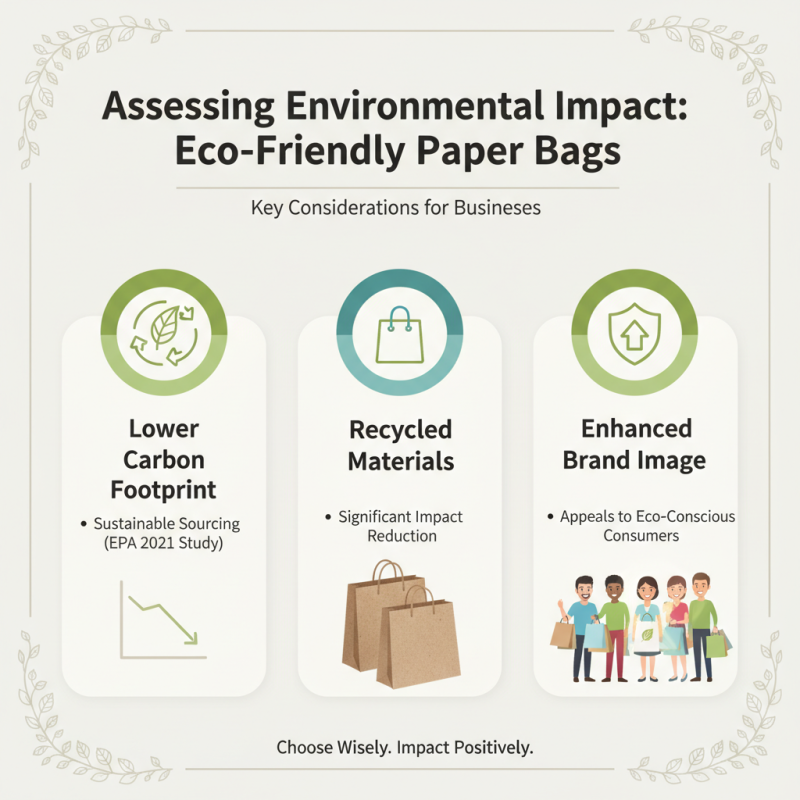
When selecting large paper bags for your business, environmental impact is a key consideration. According to a 2021 study by the Environmental Protection Agency, paper bags have a lower carbon footprint than plastic alternatives when sourced sustainably. This means choosing bags made from recycled materials can significantly reduce your business's environmental impact. Furthermore, it enhances your brand's image by appealing to eco-conscious consumers.
However, not all paper bags are created equal. Production methods vary widely, and some processes can be harmful to the environment. For instance, the use of chlorine in bleaching can release hazardous chemicals. A report from the World Wildlife Fund indicates that sustainable forestry practices greatly mitigate these effects. Using paper from certified sources ensures compliance with eco-friendly practices.
Choosing eco-friendly options often means doing your homework. Look for certifications like FSC (Forest Stewardship Council) for sustainable materials. Keep in mind, the initial cost might be higher, but the long-term benefits could outweigh these expenses. Reflecting on your choices can lead to a more informed decision that aligns with your business values while promoting sustainability.
Cost Analysis: Balancing Quality and Budget for Large Paper Bag Procurement
Cost analysis is crucial in selecting large paper bags for your business. Balancing quality and budget can significantly affect your long-term success. A recent study by the Paper and Packaging Board highlights that sustainable materials are favored by 74% of consumers. Using high-quality paper increases costs upfront but can enhance brand perception. It is important to weigh the advantages of durability against lower-cost options.
Research shows that 60% of consumers believe quality packaging influences their purchase decisions. Choosing cheaper bags may save money initially, but it risk customer satisfaction. The cost of potential customer loss can exceed savings. A striking finding indicates that 40% of eco-friendly bag users report customer loyalty boosts. Integrating sustainability can strengthen your brand’s reputation.
However, it's also essential to consider production costs and supply chain dynamics. Bulk purchasing can lower costs, but it may lead to overstock. Striking the right balance is challenging. Retailers must analyze how each decision affects their bottom line. Adjusting specifications, such as thickness or print quality, can help align costs with customer expectations. Regularly reviewing these choices allows businesses to adapt to consumer trends.






 WeChat QR
 WhatsApp QR