Leave Your Message

What Type of Small Paper Bags Are Best for Packaging?

Choosing the right Small Paper Bags is less about appearance and more about the product’s daily demands. A delicate pastry needs different protection from a heavy candle or a folded T-shirt. The wrong bag may split at the handle, soften near moisture, or collapse on a crowded counter.

Packaging specialist Lars Wallentin once said, “Packaging should sell the product, protect the product, and save the world.” That idea remains useful when comparing bag types. A flat paper bag suits lightweight items and simple takeaway orders. A gusseted bag offers more room and stands better on a shelf. Twisted-handle bags feel stronger and more comfortable for customers, while flat-handle bags often support economical retail packaging. Kraft paper adds a natural visual appeal, but it does not automatically make every package sustainable.

Details matter. Check the paper weight, base construction, handle attachment, internal dimensions, and printing quality. Test the bag with the heaviest realistic product, not an empty sample. Add a little movement. Real customers do not carry bags gently.

There is no perfect option.

Moisture changes everything. Grease can weaken untreated paper, and oversized bags waste material while looking careless. Recyclability also depends on coatings, laminates, inks, and local collection systems. This point is easy to oversimplify. A smaller bag may use fewer resources, yet fail sooner and require replacement.

This guide examines which Small Paper Bags perform best for different products, retail settings, and customer expectations. It also considers cost, presentation, durability, and practical environmental limits.
What Type of Small Paper Bags Are Best for Packaging?

What Makes Small Paper Bags Suitable for Different Products?

What Type of Small Paper Bags Are Best for Packaging?

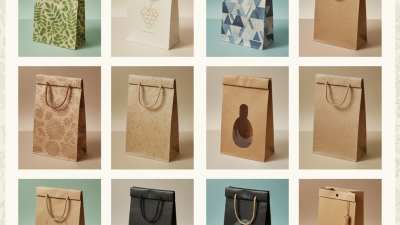
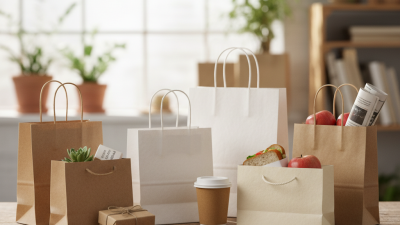
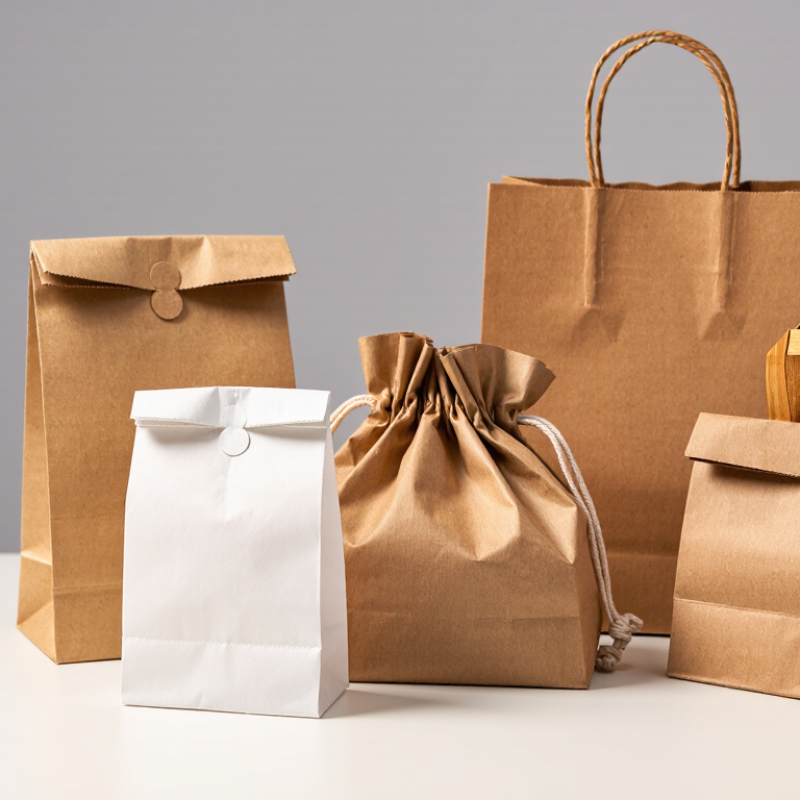
Small paper bags work best when their material, shape, and closure match the product inside. Lightweight kraft bags suit bread, stationery, gifts, and dry snacks. Their natural texture feels warm and practical. For heavier items, choose thicker paper with a reinforced base. A weak bottom can split without warning.

Product conditions matter too. Greasy foods need bags with a suitable grease-resistant lining. Moist products require stronger protection, although paper is not always the perfect choice. Small bottles or jars need stable gussets and firm handles. I have seen attractive bags fail because the opening was too narrow. Appearance alone is not enough. Check the bag’s load capacity, dimensions, and intended use. Food packaging should also include reliable material and safety documentation from the supplier.

Tips: Match the bag size closely to the product. Extra space can cause movement and damage. Test a filled sample before ordering in bulk. Press the base gently and inspect the seams. If the bag feels stiff but tears near the handle, rethink the design. Recycled paper can be an excellent option, but its strength may vary. Ask for current specifications instead of trusting a general description. Small details matter.

How to Choose the Right Paper Type and Bag Strength

What Type of Small Paper Bags Are Best for Packaging?

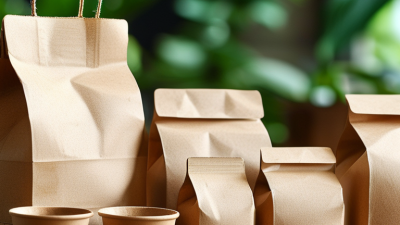
Choosing the right paper type starts with the product, not the appearance. Lightweight items often suit a 60–80 gsm paper bag. Heavier goods need thicker paper, usually around 100–140 gsm. Kraft paper offers good tear resistance and a natural texture. Smooth paper can create a cleaner look, but it may show creases more clearly. Fit matters. A narrow bag can strain at the seams when the product presses outward.

Bag strength also depends on construction. A wide bottom gusset helps the bag stand and spreads weight across the base. Reinforced handles reduce tearing during short carrying trips.

For bottles, jars, or boxed items, test the bag with more than the expected load. A practical test uses the real product, a firm surface, and repeated lifting. Watch the handle holes and bottom folds. These areas often fail first. Not always.

Moisture changes the decision. Dry bakery goods, stationery, and small gifts can use standard paper. Slightly oily or damp products may need a treated inner layer or separate wrapping.

Paper should not touch wet contents without protection. I once underestimated the effect of a sharp box corner; the paper looked thick, yet the side split during lifting. That mistake showed why thickness alone is not enough.

Check the paper grain, seam quality, gusset depth, and storage conditions. A small sample run can reveal problems before full production. Test it.

Which Bag Sizes and Shapes Match Common Packaging Needs?

What Type of Small Paper Bags Are Best for Packaging?

Bag size should follow the product’s footprint, height, and handling risk. A 6 x 3.5 x 8.5-inch bag suits small accessories, folded garments, and compact gift items. An 8 x 4 x 10-inch gusseted bag gives more room for boxed products or takeaway containers. For taller packages, a 10 x 5 x 13-inch format prevents crushed corners and awkward overfilling. Measure the packed item first. Guessing often creates waste.

Flat paper bags work well for pastries, books, and lightweight purchases. Their slim profile uses less material. Square-bottom bags stand upright and suit jars, cartons, and meal boxes. Twisted-handle bags offer easier carrying for retail orders, but handles add cost and weight. In practical packing tests, a wider gusset often improves stability more than extra height. That detail is easy to miss.

The U.S. Environmental Protection Agency reported 14.5 million tons of paper and paperboard packaging waste in 2018, with about 8.7 million tons recovered. The figure shows why right-sizing matters. Smithers’ paper packaging outlook also identifies foodservice and e-commerce as major demand areas through 2028. Still, larger is not always safer. A bag that leaves too much empty space may collapse during transport. A tighter fit may look efficient, yet it can damage fragile corners. Test two or three sizes with the actual product, filler, and closing method. Small adjustments can matter.

What Type of Small Paper Bags Are Best for Packaging? — Bag Sizes and Shapes for Common Packaging Needs
Bag Type Typical Dimensions
(W × Gusset × H)
Approximate Capacity Best-Suited Products Recommended Paper Weight Useful Features Packaging Considerations
Small Flat Paper Bag 10 × 3 × 15 cm
3.9 × 1.2 × 5.9 in
Up to about 250 g
0.55 lb
Greeting cards, small stationery, jewelry boxes, lightweight accessories 60–80 gsm Slim profile Low material use Best for flat or light items. A reinforced bottom is usually unnecessary unless the contents are dense.
Small SOS Paper Bag 12 × 7 × 20 cm
4.7 × 2.8 × 7.9 in
About 0.5–1 kg
1.1–2.2 lb
Bakery items, takeaway snacks, small retail purchases, books and personal-care products 70–90 gsm Self-standing Folded top The flat paper handle design keeps production simple and provides more internal space than a flat bag.
Twisted-Handle Shopping Bag 18 × 8 × 22 cm
7.1 × 3.1 × 8.7 in
About 1–2 kg
2.2–4.4 lb
Clothing accessories, cosmetics, gifts, small boxed products and boutique purchases 90–120 gsm Comfortable carrying Retail-ready Use a reinforced handle patch and a strengthened base when the bag will carry boxed or concentrated loads.
Flat-Handle Paper Bag 22 × 10 × 28 cm
8.7 × 3.9 × 11.0 in
About 2–3 kg
4.4–6.6 lb
Groceries, pharmacy items, takeaway meals and general-purpose retail packaging 80–110 gsm Easy to stack Practical handle A broad base improves stability. Select grease-resistant paper or an inner liner for foods containing oil or moisture.
Bottle Paper Bag 12 × 10 × 36 cm
4.7 × 3.9 × 14.2 in
One standard bottle
up to about 1.5 L
Wine, juice, sauces, oils and other tall cylindrical containers 100–140 gsm Tall profile Reinforced base The base should be reinforced, and the bag height should exceed the product height enough to allow secure closure or handle attachment.
Square-Bottom Food Bag 16 × 10 × 24 cm
6.3 × 3.9 × 9.4 in
About 1–2 kg
2.2–4.4 lb
Bread, pastries, dry foods, snack packs and takeaway containers 70–100 gsm Stable base Wide opening For direct food contact, use paper and printing inks suitable for the intended food-packaging application and storage conditions.
Window Paper Bag 14 × 7 × 21 cm
5.5 × 2.8 × 8.3 in
About 0.5–1 kg
1.1–2.2 lb
Cookies, confectionery, tea, handmade products and gift items 80–120 gsm Product visibility Display-friendly The window may be made from cellulose film or plastic film. Choose the material according to recyclability and moisture-barrier requirements.
Stand-Up Paper Pouch 15 × 6 × 22 cm
5.9 × 2.4 × 8.7 in
About 250–750 g
0.55–1.65 lb
Coffee, tea, dried fruit, granola, pet treats and powdered goods 120–180 gsm or laminated structure Shelf stability Resealable option Paper alone has limited resistance to moisture and oxygen. Products requiring a barrier generally need a compatible inner coating or laminate.
Luxury Cord-Handle Bag 20 × 10 × 25 cm
7.9 × 3.9 × 9.8 in
About 1–3 kg
2.2–6.6 lb
Premium gifts, apparel, cosmetics, accessories and special-event packaging 150–250 gsm Rigid structure Premium presentation Heavier paper, folded rims, reinforced handle patches and a laminated board base can improve durability and appearance.
Mailing Paper Bag 25 × 5 × 35 cm
9.8 × 2.0 × 13.8 in
About 0.5–1.5 kg
1.1–3.3 lb
Documents, clothing, flat products, books and lightweight e-commerce orders 100–160 gsm Peel-and-seal flap Compact shipping Select a tear-resistant construction and enough internal clearance for the product plus protective wrapping.
Handleless Gift Bag 18 × 8 × 24 cm
7.1 × 3.1 × 9.4 in
About 1–2 kg
2.2–4.4 lb
Small gifts, candles, books, boxed cosmetics and event favors 100–160 gsm Ribbon or tape closure Customizable top The opening can be folded, sealed with a sticker or finished with ribbon. The closure should match the product weight and presentation needs.

What Features Improve Protection, Convenience, and Presentation?

For small-item packaging, the best paper bag balances protection, convenience, and visual appeal. In practice, I check paper weight, gusset depth, and handle strength. A sturdy kraft bag resists tearing around corners and seams. A flat-bottom design keeps jars, boxed goods, and folded garments upright. That small detail reduces spills during handover. Recycled fibers can perform well, but quality varies among suppliers. Ask for compression and tear-test data, not attractive claims alone.

Moisture is a common weakness. A water-resistant barrier helps when products face condensation or brief contact with rain. However, heavy coatings can limit recyclability and complicate disposal. Material specifications need careful review. Food-contact packaging also requires verified suitability and controlled production conditions. For fragile items, paper padding or an internal divider adds protection without making the bag bulky. I prefer a snug fit. Excess space invites movement. Still, I have sometimes overestimated handle capacity. Real-world loading is less gentle than a bench test. Test it fully. Print clear weight limits.

Presentation improves when size, color, and closure match the product. A smooth surface supports readable printing, while a fold-over top offers quick closure. Twisted paper handles feel comfortable for short carrying distances. Cord handles may feel stronger, but they add material and cost. Windowed bags display contents clearly, though poor placement can weaken the structure. Looks are not enough. Measure the packed item, including protective padding. Then test the filled bag from shelf to customer’s hand. That journey reveals failures laboratory checks can miss.

How Do Sustainability and Cost Affect the Best Choice?

Choosing the best small paper bag starts with its actual job. For lightweight items, 70–90 gsm kraft paper often provides enough strength. Recycled kraft reduces virgin fiber use, but its texture can look less uniform. That is not always a problem. In packaging tests, customers often accepted slight color variation when the material felt credible. For oily or damp products, an untreated bag may fail quickly. A water-resistant coating can help, but it may complicate recycling and raise costs.

Sustainability and cost must be measured together. A thinner bag uses less material, yet it may tear during filling or transport. Replacing damaged packaging creates waste and extra labor. A slightly heavier bag can therefore cost less across the full order. Flat-handle bags are usually economical for simple counter service. Twisted paper handles feel more comfortable, but they require more material and assembly. Recycled content can also affect pricing, depending on supply and order volume. I would not assume the greenest option is automatically the best. That assumption needs testing.

Tips: Compare three samples using the same product weight. Fill each bag, lift it 20 times, and inspect the base and handle. Record unit price, storage space, rejection rate, and disposal conditions. Ask suppliers for fiber content and coating details. Keep the bag size close to the product; empty space wastes paper. My own weak point is relying too much on purchase price. Real performance often changes the calculation.

What Type of Small Paper Bags Are Best for Packaging?

Comparison of common small paper-bag options using a normalized sustainability score and relative cost index. Higher sustainability scores indicate better recycled content, recyclability, and resource efficiency; lower cost indices indicate lower estimated material and production cost.

Planning assumptions: recycled kraft uses recovered fiber; virgin kraft generally provides higher strength and more consistent print performance; FSC-certified kraft adds responsible-forest sourcing requirements. The cost index is relative, with the average option set to 100.

Reference basis: U.S. EPA paper and paperboard recycling data, EPA Sustainable Materials Management guidance, and FSC chain-of-custody principles. Actual results vary by bag size, paper weight, order volume, printing, handles, and local supply conditions.