Leave Your Message

10 Best Paper Carrier Bags for Global Buyers?

Global retail is changing quickly, and Paper Carrier Bags now sit at the intersection of branding, logistics, and environmental responsibility. Grand View Research valued the global paper bags market at approximately USD 5.4 billion in 2023. Its forecast expects continued growth through 2030, supported by retail, food service, and e-commerce demand. Smithers also identifies renewable fiber packaging as a major development area in its “The Future of Paper Packaging to 2028” report.

The market sounds simple. It is not. A bag must carry weight without tearing, remain attractive after transport, and suit different climates. A thin kraft bag may reduce material use but fail beside a wet checkout counter. A reinforced handle adds strength but increases material consumption. These details matter to global buyers.

Packaging consultant Paul Jenkins offers a useful reminder: “Paper bags should be judged by sourcing, strength, reuse, and recovery—not appearance alone.” That principle shapes this guide to the 10 Best Paper Carrier Bags for Global Buyers. Each option deserves scrutiny beyond color and printing quality. We consider paper weight, handle construction, customization, supplier consistency, and verified sustainability claims. No ranking is perfect. Buyer needs vary by product, distance, and local recycling systems. The strongest choice on paper may not perform best in a busy store.

10 Best Paper Carrier Bags for Global Buyers?

What Makes a Paper Carrier Bag Suitable for Global Buyers?

A globally suitable paper carrier bag starts with predictable performance, not a fashionable surface. Buyers should check basis weight, tear resistance, handle pull strength, and flat-bag dimensions before approving samples. A 2023 report from the Confederation of European Paper Industries recorded Europe’s paper recycling rate at 79.3%, but collection systems still vary widely. This matters.

A bag designed for dry indoor retail may soften during monsoon delivery or refrigerated transport. Humidity-conditioning tests and stacked-carton trials should reflect the destination climate. The World Bank’s What a Waste 2.0 report estimated 2.01 billion tonnes of municipal solid waste were generated globally in 2016. About 33% was not managed safely. Packaging design cannot solve waste systems alone, but it should avoid unnecessary layers and mixed materials.

Experienced sourcing teams should request recycled-fiber percentages, fiber-origin documentation, and consistent batch-test records. ISO 18601 offers a framework for packaging and environmental considerations. Certifications can support trust, but paperwork is not performance. Some buyers overfocus on appearance. That is a costly mistake. Ink coverage, adhesive selection, and handle construction can affect recyclability and durability. A practical sample should survive lifting, stacking, rain exposure, and a crowded checkout counter. Even careful specifications have blind spots; local recyclers may accept one paper format but reject another. Global buyers should therefore test the bag with destination-country recyclers before placing large orders.
The 10 Best Paper Carrier Bag Types and Their Main Uses

10 Best Paper Carrier Bags for Global Buyers?

The best paper carrier bag depends on the product, handling time, and retail setting. FAO’s Global Forest Products Facts and Figures 2023 records about 400 million tonnes of global paper and paperboard production in 2022. This scale supports broad material access, but quality still varies.

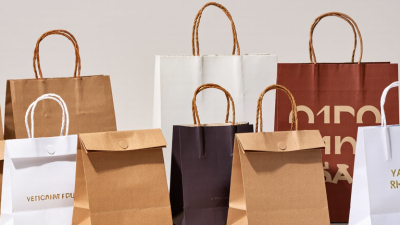
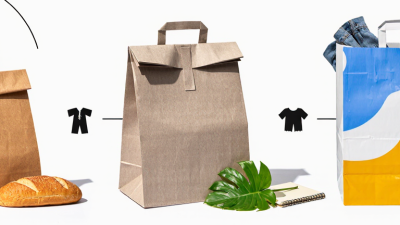
Flat-handle bags suit pharmacies, bookstores, and lightweight clothing. Twisted-handle bags offer better grip for gifts and takeaway meals. Die-cut bags create a clean look for boutiques and promotional packaging. SOS bags stand upright for groceries, bakery items, and boxed food. Gusseted bags hold wider products, such as shoes or household goods. Kraft bags provide a natural appearance for cafés and small retailers. White paper bags print sharper graphics for cosmetics and premium goods. Recycled paper bags fit sustainability-focused retail, although their fibers may reduce strength. Grease-resistant bags protect sandwiches, pastries, and fried snacks. Reinforced-base bags carry heavier bottles or multiple packaged items. These categories overlap. A recycled kraft bag may also need a reinforced base.

Tips: Test the filled bag, not the empty sample. Check handle pull strength, base seams, moisture exposure, and storage humidity. A 2024 paper-packaging market analysis by Smithers identifies sustainability and retail convenience as continuing demand drivers. Still, “recyclable” does not guarantee local recyclability. Confirm fiber content, inks, coatings, and food-contact requirements with suppliers. My practical concern is often overlooked: an attractive bag can fail after ten minutes in rain. Celulose fibers soften quickly. Use trial orders before large production runs.

10 Best Paper Carrier Bags for Global Buyers? - The 10 Best Paper Carrier Bag Types and Their Main Uses

No. Paper Carrier Bag Type Typical Paper Structure Typical Capacity Main Uses Key Advantages Important Buyer Considerations
1 Twisted-Handle Kraft Paper Bag Brown or white kraft paper, commonly 80–120 gsm, with twisted paper cord handles Light to medium loads Retail stores, clothing, gifts, bookstores, and everyday shopping Comfortable handles, good printability, widely available, and easy to recycle when uncoated Check handle attachment, bottom reinforcement, paper gsm, and moisture exposure limits
2 Flat-Handle Paper Bag Kraft paper, commonly 70–100 gsm, with folded flat paper handles Light to medium loads Supermarkets, pharmacies, bakeries, convenience stores, and food counters Cost-efficient, stackable, machine-friendly, and suitable for high-volume distribution Confirm handle strength, paper tear resistance, bag dimensions, and packing efficiency
3 SOS Block-Bottom Paper Bag Self-opening square paper bag, usually made from kraft paper without separate handles Light to medium loads Takeaway meals, groceries, produce, bakery items, and quick-service food Stands upright, opens quickly, uses little material, and is efficient for packing lines Select the correct base size, side gusset, paper grade, and grease or moisture resistance
4 Die-Cut Handle Paper Bag Single or multi-ply paper with a punched handle integrated into the bag body Light to medium loads Promotional events, apparel, cosmetics, specialty retail, and short-term campaigns Clean appearance, compact storage, low handle material use, and flexible shapes Use heavier paper or reinforced patches for demanding loads; inspect handle edge quality
5 Luxury Rigid-Base Paper Bag Heavyweight paper, often 170–250 gsm, with reinforced board base and rope or ribbon handles Medium loads Premium fashion, jewelry, cosmetics, gifts, and high-value retail packaging Strong presentation, stable base, reusable potential, and high-quality print finish Higher cost and shipping weight; verify board composition, handle fixing, and finish recyclability
6 White Kraft Paper Carrier Bag Bleached kraft paper, commonly 80–120 gsm, with flat or twisted paper handles Light to medium loads Retail, food service, pharmacies, events, and applications requiring bright graphics Clean visual background, accurate color reproduction, and professional appearance Review bleaching process, print coverage, ink suitability, and resistance to scuffing
7 Grease-Resistant Food Paper Bag Food-grade kraft or grease-resistant paper, with folded construction and optional lining Light food loads Burgers, fried foods, sandwiches, pastries, snacks, and bakery takeaway Helps contain oil, supports hygienic handling, and can be printed for food-service use Confirm food-contact compliance, grease resistance, temperature suitability, and disposal rules
8 Bottle Carrier Paper Bag Heavy kraft paper with reinforced base, dividers, and handles designed for bottles Medium to heavy loads Wine, beverages, oils, sauces, gift sets, and bottle delivery packaging Separates bottles, reduces movement, and provides a convenient carrying format Test the base and handle under load; specify bottle diameter, height, divider strength, and wet conditions
9 Recycled Kraft Paper Bag Paper containing post-consumer or post-industrial recycled fiber, with optional paper handles Light to medium loads Eco-conscious retail, events, bookstores, groceries, and promotional distribution Supports recycled-content goals and offers a natural, textured appearance Ask for verified recycled-content information, fiber quality, strength results, and local recycling guidance
10 Laminated or Coated Paper Bag Paper substrate with a thin plastic, water-based, or specialty coating for appearance or protection Light to medium loads Premium retail, cosmetics, gifts, promotional campaigns, and products needing surface protection Improved surface durability, color appearance, and limited moisture resistance Coatings may affect recycling; confirm material composition, local disposal requirements, and food-contact suitability

Note: Capacity varies with bag dimensions, paper grammage, construction, handle attachment, and product weight distribution. Always request samples and conduct load testing before large-scale purchasing.

How to Compare Bag Materials, Sizes, Handles, and Designs

10 Best Paper Carrier Bags for Global Buyers?

Choosing a paper carrier bag starts with material, not artwork. Kraft paper is strong and has a natural texture. Recycled kraft can reduce virgin fiber use, but its surface may look less uniform. White kraft gives sharper printing and cleaner colors. Coated paper resists light moisture, although recycling choices may become more complicated. A practical test is simple: place the intended product inside and lift it repeatedly.

Size should match the product closely. Excess space makes a bag unstable and wastes paper. A tight fit can strain the side folds and handles. Measure length, width, and height after packing. Remember the product’s weight. A wide base helps boxed items stand upright. Small bags suit cosmetics, books, or accessories. Larger formats need stronger paper and reinforced seams.

Handles change both comfort and appearance. Twisted paper handles look natural and are easy to coordinate with the bag. Flat paper handles offer a cleaner, simpler profile. Cotton or rope handles feel premium, but they may complicate material separation. Handle length matters too. Short handles suit hand carrying, while longer ones allow shoulder use. Design should support function. Use clear contrast, readable lettering, and sensible ink coverage. Glossy finishes can attract attention, but fingerprints may show.

A heavier bag is not always better. No comparison is perfect. Suppliers should test filled samples, inspect the folds, and review performance before ordering in volume.

Which Paper Carrier Bags Fit Different Industries and Markets?

Which Paper Carrier Bags Fit Different Industries and Markets?

The best paper carrier bag depends on the product, carrying distance, and local shopping habits. A clothing retailer may need a wide, 180–250 gsm bag with twisted paper handles. This structure supports folded jackets without looking bulky. Small boutiques often prefer cotton handles and a matte finish, but these choices increase cost.

Food businesses need different protection. Bakery bags should hold bread boxes without tearing at the base. Takeaway bags may require grease-resistant paper and a flat bottom. However, paper is not automatically suitable for wet or oily meals. A test with a warm container, condensation, and a 30-minute carrying period reveals more than appearance alone. Sometimes, a stronger bag still fails at the handle joint.

Gift shops and premium retailers usually value surface quality, color accuracy, and quiet opening. Dark printing can appear uneven on recycled fibers. This is not always a defect, but buyers should approve a physical sample. In humid markets, storage conditions matter as much as paper weight. Bags kept near open doors can soften before use. Export buyers should check dimensions, load testing, handle attachment, packaging quantity, and recycling instructions. Regional preferences also matter: compact bags suit dense city shopping, while larger markets may favor durable bags for several purchases. A practical specification is rarely perfect on the first attempt.

How Global Buyers Can Assess Quality, Compliance, and Suppliers

10 Best Paper Carrier Bags for Global Buyers?

Global buyers should assess paper carrier bags beyond appearance. Start with paper weight, handle strength, gusset size, and bottom construction. A 170–250 gsm range may suit many retail uses, but product weight determines the safer choice. Load samples with real items. Then lift them repeatedly.

Ask suppliers for material specifications, test reports, and batch records. Check whether paper comes from responsibly managed sources, where relevant, and confirm recycled content claims. Ink type matters too, especially when bags may contact packaged goods. Request declarations for inks, adhesives, coatings, and recycled fibers. Compliance depends on the destination market and end use. Verify current requirements with qualified local advisers.

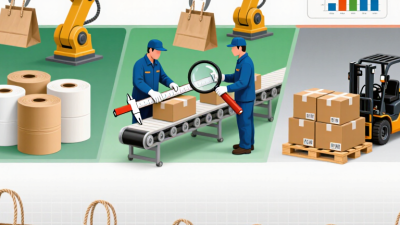
Supplier reliability requires evidence, not confident promises. Review factory photos, production capacity, quality-control procedures, and sample consistency. A useful audit checks paper moisture, handle bonding, print alignment, and bottom-fold accuracy. Ask for pre-shipment inspections and clearly defined acceptance limits. Keep approved samples for comparison.

Small details expose weak systems. Uneven handles can signal rushed assembly. Excess glue may weaken recycling performance. A perfect checklist does not exist. In practice, buyers may overlook storage conditions; humidity can soften bags before delivery. I would therefore request carton specifications, pallet protection, and a documented corrective-action process. The cheapest quotation may become expensive after failures, delays, or rejected shipments.