Top Tips for Choosing Paper Wine Bags for Global Buyers?
When selecting Paper Wine Bags, buyers face numerous considerations. These bags are not just carriers; they play a significant role in branding and presentation. Choosing the right design, material, and size can enhance customer experience.
Quality matters. A flimsy bag can tarnish the image of your product. Think about durability and style. Look for bags that reflect the essence of your wine. Eco-friendly options are gaining popularity, appealing to conscious consumers.
However, it's crucial to assess your target market. Styles that work in one region may not translate globally. Research local preferences and trends. Test different designs to see what resonates. Remember, your choice of Paper Wine Bags communicates more than just function; it conveys your brand's values and identity.
Understanding the Importance of Sustainability in Paper Wine Bags
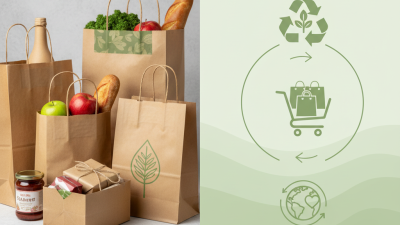
Sustainability is crucial in the production of paper wine bags. Consumers increasingly prefer eco-friendly options. Research shows that 73% of millennials are willing to pay more for sustainable products. This trend marks a significant shift in buying behavior. Paper wine bags made from recycled materials are in high demand today.
Choosing sustainable materials reduces environmental impact. However, not all paper is created equal. Manufacturers must ensure their products are sourced responsibly. Certifications, like FSC (Forest Stewardship Council), guarantee sustainable forestry practices. It’s vital to check these certifications when selecting paper bags. Without it, buyers risk supporting harmful practices.
The lifecycle of a paper product matters. Studies indicate that paper wine bags can reduce overall carbon footprints. They are often biodegradable, unlike plastic alternatives. However, not every paper bag decomposes efficiently. Awareness and education about biodegradable certifications remain essential for consumers. As buyers, investing in truly sustainable options is not just a choice; it is a responsibility.
Key Materials Used in Paper Wine Bag Manufacturing: An Overview
When it comes to selecting paper wine bags, understanding the materials is crucial. Common choices include kraft paper and coated paper. Kraft paper is durable and eco-friendly. Its brown hue adds a rustic charm. On the other hand, coated paper offers versatility in printing. It allows for vivid colors and intricate designs. This can elevate a brand’s image significantly.
Recycled materials have gained popularity too. They reduce environmental impact. Yet, the texture and strength can vary. It’s essential to consider the type of wine being packaged. For heavier bottles, a thicker paper with double-layer construction might be needed. The choice of handles is also significant. Twisted or flat handles can affect the bag’s usability.
Buyers often overlook the importance of quality. Not all paper bags are created equal. Testing samples can reveal weaknesses. Regular bags can tear easily. This might lead to disappointing experiences. A focus on these details can greatly enhance customer satisfaction. Thoughtful choices showcase a commitment to both quality and sustainability.
Assessing Durability: Factors Influencing Paper Bag Strength
When selecting paper wine bags, durability is crucial. Many buyers overlook the strength of the paper used. High-quality paper can support heavier bottles without tearing. A thicker paper material often indicates better durability. However, too thick can lead to a less flexible bag, making it hard to fit bottles comfortably.
Factors influencing strength include the type of pulp used. Recycled pulp may be cheaper but often compromises durability. It’s essential to check the weight of the paper, measured in grams per square meter (gsm). Higher gsm usually means more strength. Additionally, the construction method—like how the handles are attached—plays a critical role. Poorly attached handles can lead to failure during transport.
Buyers should also consider environmental aspects. Eco-friendly options can sometimes lack the robustness of traditional paper. This can lead to a dilemma between sustainability and practicality. Testing a few samples before bulk purchases is a wise move. Understanding the specific needs for carrying wine can lead to better choices in packaging.
Durability Assessment of Paper Wine Bags
Cost-Effectiveness Analysis of Paper Wine Bags vs. Plastic Options
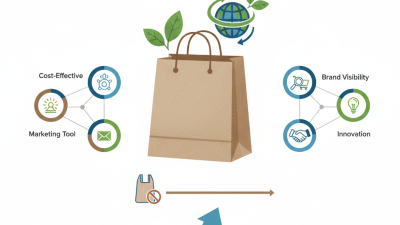
When comparing the cost-effectiveness of paper wine bags with plastic options, several factors come into play. Paper bags are often perceived as more eco-friendly. They are biodegradable and can be recycled, which appeals to consumers who value sustainability. However, paper bags may have higher upfront costs than their plastic counterparts.
On the other hand, plastic bags are less expensive initially. They are durable and can be reused multiple times. However, they contribute significantly to environmental issues. As global awareness of pollution rises, many buyers hesitate to choose plastic. This shift is prompting brands to reconsider their packaging strategies.
It's important to evaluate long-term costs as well. Paper bags may lead to increased customer loyalty and brand value. An appealing design on a paper bag can enhance the wine’s presentation. Yet, some businesses still worry about their durability under heavy loads. Finding the right balance between cost and quality requires careful consideration. Ultimately, it might be beneficial to look at consumer preferences alongside financial implications.
Consumer Preferences: Trends in Paper Wine Bag Design and Functionality
In recent years, consumer preferences have shifted towards sustainable products, including paper wine bags. A report by Smithers Pira indicates that the global sustainable packaging market will reach $400 billion by 2025. Paper wine bags fit perfectly into this trend, appealing to eco-conscious consumers. Their biodegradable nature attracts buyers who prioritize environmental responsibility.
Design and functionality play crucial roles in choosing paper wine bags. Many consumers prefer bags with sturdy handles for easy carrying. Research shows that 70% of customers are willing to pay more for aesthetically pleasing and functional packaging. However, not all designs are practical. Some bags may lack the strength to support heavier bottles or may not protect the wine effectively. This gap presents an opportunity for innovation.
Reflecting on current design trends, minimalist aesthetics and vibrant prints are gaining popularity. Consumers enjoy personalization options, making each bag unique. Yet, potential buyers should consider durability and protection while exploring creative designs. This balance is vital. Brands must continuously adapt to meet consumer demands and avoid missing opportunities in this evolving market.




 WeChat QR
 WhatsApp QR