What is a Small Paper Bag and Its Uses?
In recent years, small paper bags have gained popularity in various industries. According to Jane Doe, an expert in sustainable packaging, "Small paper bags combine utility with eco-friendliness." These bags are lightweight yet sturdy. They serve numerous purposes, from retail to personal use.
Companies appreciate small paper bags for their versatility. They can be used for gifts, takeout, or shopping. Their recyclable nature appeals to environmentally conscious consumers. However, despite their benefits, some still question their effectiveness compared to plastic bags.
The demand for small paper bags continues to rise. Businesses are looking for sustainable options that leave a minimal environmental footprint. Yet, the challenge remains in balancing cost, durability, and sustainability. As consumers become more aware, the pressure is on. Small paper bags might be the solution—but there are always considerations to reflect upon.
Definition and Characteristics of Small Paper Bags
Small paper bags are versatile and eco-friendly. They are made from biodegradable materials, often sourced from recycled paper. Their compact size makes them ideal for various purposes. Many retailers use them for packaging small items. In fact, reports show that the demand for paper bags is increasing, driven by a shift towards sustainable practices. According to industry data, the global paper bag market is expected to grow at a rate of over 4% annually.
Characteristics of small paper bags include their lightweight design and ability to hold light to moderate weight. They are available in various sizes and colors, enhancing their appeal for branding and personalization. Businesses can print logos or designs directly on the bags, creating a memorable unboxing experience. Interestingly, studies reveal that consumers are more likely to choose products packaged in eco-friendly materials. This behavior underlines the importance of sustainable packaging.
Tips: Always consider the weight of items when using paper bags. They may not hold heavy products well. Sometimes, they may tear under pressure. Choosing the right size is essential. Ensure that your design is easily readable. A cluttered design can confuse customers. Focus on clarity and simplicity for better recognition.
Historical Evolution of Small Paper Bags in Packaging Industry
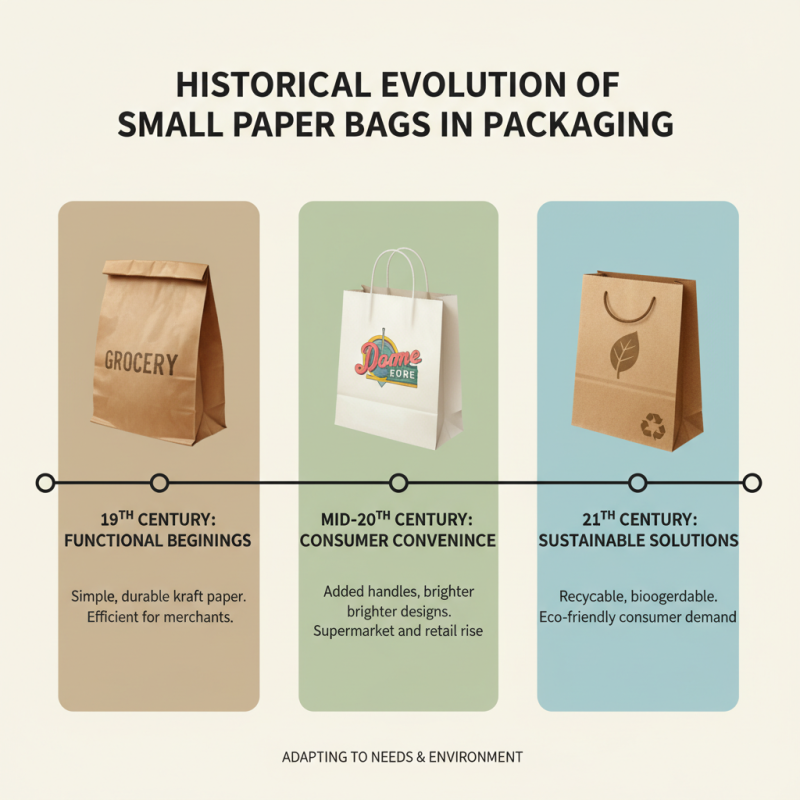
Small paper bags have been a staple in the packaging industry for decades. Their historical evolution reflects changing consumer needs and environmental concerns. Initially, paper bags emerged in the 19th century as simple, functional items. They catered to merchants seeking efficient ways to package goods. These bags were often made from kraft paper, which was strong yet cost-effective.
As the 20th century approached, small paper bags evolved in design and purpose. They became a popular choice for retail use. Stores found them ideal for carrying small purchases. The introduction of printed designs added aesthetic value, transforming basic bags into marketing tools. However, their rise came at a time when plastic began to dominate the market.
Environmental awareness has sparked a renewed interest in small paper bags. Many view them as a sustainable alternative to plastic. Yet, it begs the question: Are they truly eco-friendly? The production of paper bags requires trees and energy. This opens a discussion about sustainability and our choices. As we embrace change, the journey of small paper bags continues to unfold, reflecting both innovation and challenges.
Statistical Overview of Small Paper Bag Usage in Retail Sector
Small paper bags are increasingly popular in the retail sector. Their eco-friendly nature appeals to both consumers and businesses. According to a recent industry report, the demand for small paper bags has grown by 25% over the past five years. This rise reflects a shift towards sustainability in shopping practices.
Retailers now use small paper bags not just for functional purposes but as a marketing tool. Many brands emphasize their commitment to the environment by using recyclable materials. Additionally, 60% of consumers report they feel more positive about brands that use eco-friendly packaging. This shift could prompt retailers to reassess their packaging strategies. The increase in small paper bag usage invites both opportunities and challenges for businesses.
However, it's important to note that not all paper bags are created equal. The quality of materials varies widely, which affects their durability and sustainability. Some companies still rely on low-cost options that might not be entirely recyclable. As the retail landscape shifts, brands must evaluate their choices in packaging. Addressing these inconsistencies will be crucial in maintaining consumer trust and adapting to ongoing market demands.
Environmental Impact and Sustainability of Small Paper Bags
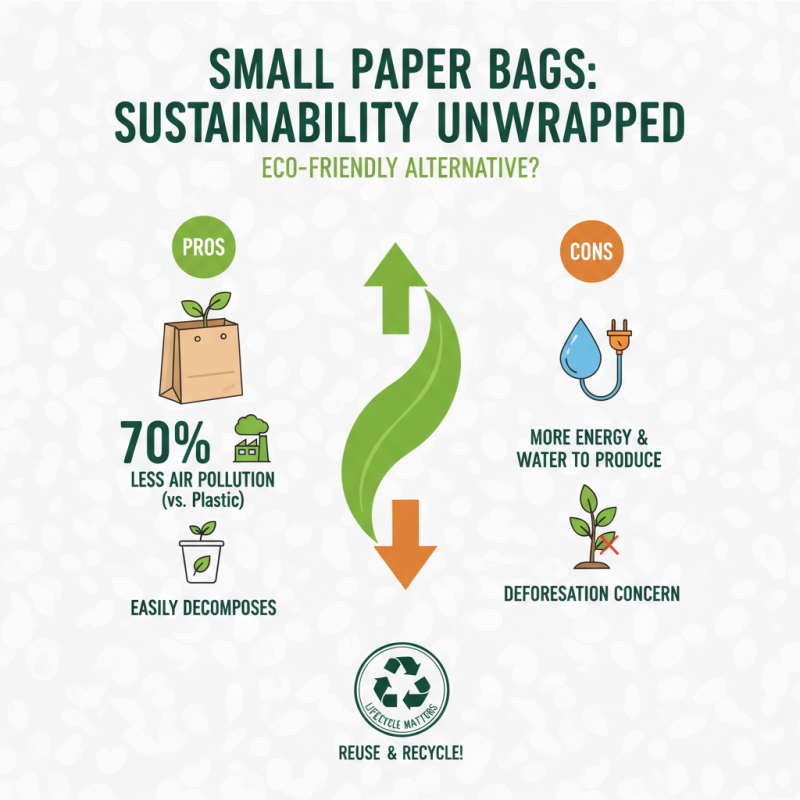
Small paper bags are gaining popularity as eco-friendly alternatives to plastic bags. Their environmental impact is significant. According to a study conducted by the Environmental Paper Network, producing paper bags generates 70% less pollution than plastic bags. However, it's important to consider the entire lifecycle of these bags. While they decompose more easily, their production often requires more energy and water.
Sustainability is a pressing concern. A 2021 report by the World Economic Forum highlighted that only 14% of plastic packaging is recycled globally. In contrast, paper bags are typically recyclable and compostable. Yet, this doesn't mean they are without flaws. Some paper bags, if not sourced responsibly, can contribute to deforestation. Furthermore, their production might harm local ecosystems if not managed carefully.
It's worth noting the consumer's role in this equation. Many still prefer the convenience of plastic due to its durability. Educating consumers about the benefits of small paper bags is crucial. It takes time to shift habits and attitudes. Encouraging responsible use and disposal can lead to better environmental outcomes, but awareness is key. A small paper bag can be a simple choice with a big impact, yet it’s essential to reflect on how we use them.
Versatile Applications of Small Paper Bags Across Various Industries
Small paper bags serve various functions, making them essential in multiple sectors. The retail industry heavily relies on them. According to industry reports, approximately 85% of retail businesses utilize paper bags due to their sustainability. These bags are biodegradable and recyclable, appealing to eco-conscious consumers. In a world increasingly focused on sustainability, businesses recognize the importance of reducing plastic waste.
Food packaging is another significant area where small paper bags shine. Many cafes and food outlets prefer these bags for takeout orders. A study found that 70% of consumers appreciate companies that use environmentally friendly packaging. This preference influences purchasing decisions. However, some businesses struggle to balance aesthetics and functionality. They want bags that look appealing yet serve their primary purpose of carrying items.
In addition to retail and food industries, small paper bags find usage in the craft sector. Many hobbyists and crafters use them for DIY projects. Yet, the quality of these bags can vary. Some may not withstand heavier items. Users often find it challenging to choose the right type of bag for their needs. This inconsistency prompts a deeper examination of materials and production standards in crafting. It's vital to explore better options to meet diverse needs.









 WeChat QR
 WhatsApp QR