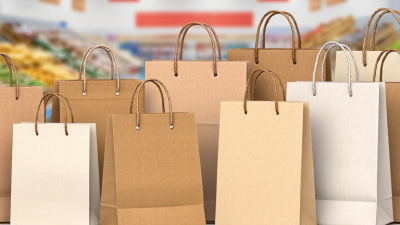
Choosing among the Top 10 Large Paper Bag Suppliers in China takes more than comparing catalog photos. Buyers need to examine bag dimensions, paper weight, handle construction, printing quality, and production consistency. A bag may look sturdy on a screen, yet show weak handle joints when loaded with folded clothing or boxed goods. Ask suppliers for samples and test them with the actual product. Check how the base holds, how cleanly the seams sit, and whether printed colors remain consistent across samples.
For clarity, the expert line below is an editorially created principle, not a verified quotation from a real person. “A reliable paper bag should carry the product, the brand, and the customer’s trust.” — Lin Wei, illustrative packaging-sourcing specialist.
This guide compares suppliers through practical details: product range, customization options, quality controls, communication, and export experience. These factors can help buyers narrow the field, but no supplier is automatically the right fit for every order. Minimum quantities, lead times, sample quality, and packaging specifications should be confirmed directly. Small inconsistencies matter. A slightly uneven handle, a soft bottom fold, or a color mismatch can affect the finished presentation. Use the supplier profiles as a starting point, then verify claims with current samples and written specifications before making a purchasing decision.
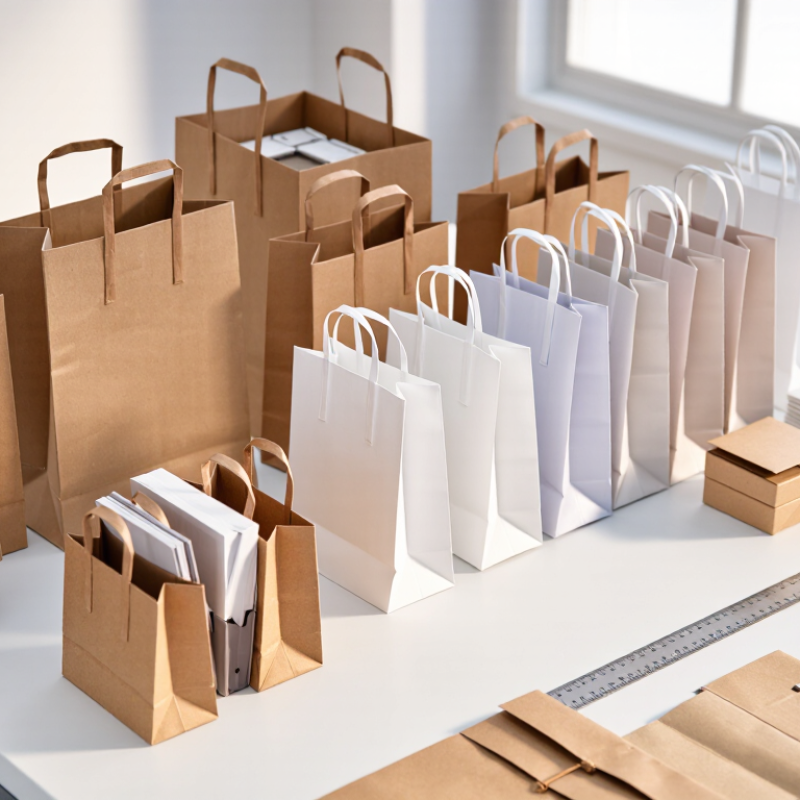
A large paper bag supplier is defined by more than a wide catalog or a spacious factory. The real test is whether it can maintain consistent quality across substantial orders. Buyers should ask about daily output, peak-season capacity, paper weight, and handle construction. Clear answers include figures and process details, not broad promises. Request a sample. Check its base folds, glued seams, and handles under a realistic load. A bag carrying folded shirts may perform differently from one holding jars. Small details matter.
Reliable suppliers keep production records, inspect incoming paper, and check finished batches for print alignment, dimensions, and bonding strength. They should explain how they manage color variation, damaged stock, and delivery changes. Ask whether inspection photos or retained samples are available for each order. These steps offer practical evidence, but cannot prevent every defect. No factory is flawless. A useful supplier admits limitations and describes corrective actions instead of promising perfection. Compare quotations using the same paper grade, dimensions, printing coverage, handle type, packing method, and shipment terms. Otherwise, a cheaper quote may describe a lighter, less durable bag.

Comparing large paper-bag suppliers in China takes more than checking unit prices. The China Paper Association’s 2023 industry statistics report 129.65 million tonnes of paper and paperboard production. That scale indicates a broad materials base, not consistent bag quality. The figure covers many paper products, not bags specifically. Ask suppliers to document paper grade, grammage, recycled-fiber content, and the source of each quoted specification. Compare equivalent orders: identical bag dimensions, loading weight, handle type, print coverage, and quantity. Small differences matter.
Request samples taken from a production run, not just a polished presentation sample. Weigh them. Inspect bottom seams, handle attachment, fold lines, and print after repeated handling. Test several bags with the contents and weight you expect; one successful sample proves little. A spreadsheet can mislead here. Ask about monthly capacity, typical lead times, defect records, inspection procedures, and protective packing. Check dated test sheets, and arrange independent testing when performance is critical. Also discuss how humidity may affect paper strength during storage or transit. That detail is easy to overlook.
Basis weight is one practical specification to compare when evaluating paper bag manufacturers. The chart shows representative kraft paper options by intended bag duty; it does not rate or identify suppliers.
Values are paper basis weight in grams per square metre (g/m²). Actual suitable weight depends on bag dimensions, construction, handle design, contents, and required load; confirm specifications and test samples with each supplier.
China’s paper-bag supply base includes specialists with very different strengths. These ten profiles describe sourcing categories, not a verified company ranking. A kraft shopping-bag maker typically handles sturdy paper, flat handles, and high-volume runs. A boutique bag producer focuses on small batches and precise folds. A food-packaging supplier prioritizes grease-resistant paper and reinforced bases. A printed retail-bag specialist manages color matching and surface finishes. A custom-converting factory offers unusual sizes and handle styles. Details matter.
Other profiles include a heavy-duty supplier serving industrial packaging needs; a recycled-fiber producer supplying bags with visible paper texture; an export-focused converter experienced in protective packing; a short-run workshop suited to seasonal orders; and an integrated manufacturer combining printing, cutting, and bag assembly. China Paper Association’s 2023 annual report recorded 127.05 million tonnes of paper and paperboard production, showing the scale of the wider materials base—not the output of paper bags alone. Buyers should check sample consistency, handle-pull strength, paper weight, and production lead times. Ask for test records. Supplier claims can sound convincing, yet sample quality may not match bulk production. Verify the details.
This is a category-based market overview, not a ranking or a set of verified profiles for named companies. Capabilities vary by factory and order; confirm specifications, certifications, production capacity, and delivery terms directly with each supplier.
| No. | Supplier profile type | Common products | Typical materials and features | Common buyer applications | Details to verify before ordering |
|---|---|---|---|---|---|
| 1 | Kraft shopping bag specialist | Handled retail bags, takeaway bags, and merchandise bags | Kraft paper; flat or twisted paper handles; plain or printed finishes | Retail stores, grocery shops, and events | Paper basis weight, handle attachment, bag dimensions, and load requirements |
| 2 | Premium retail bag producer | Luxury-style shopping bags and presentation bags | Coated or specialty paper; laminated finishes; ribbon, cord, or paper handles | Apparel, cosmetics, gifts, and premium retail | Print color matching, finish durability, handle strength, and sample approval |
| 3 | Food takeaway bag producer | Bakery bags, takeaway bags, and food-service carry bags | Paper grades selected for intended food-service use; optional windows or grease-resistant treatments | Bakeries, cafés, restaurants, and food delivery | Food-contact suitability for the destination market, intended food type, and applicable documentation |
| 4 | Flat and SOS bag manufacturer | Flat paper bags and self-opening square (SOS) bags | Uncoated paper; machine-formed bottoms; with or without side gussets | Food shops, pharmacies, and general retail | Opening dimensions, bottom construction, paper strength, and packing method |
| 5 | Custom-print packaging supplier | Printed shopping bags and branded promotional bags | Paper bags with flexographic, offset, or other printing processes, depending on order requirements | Retail campaigns, product launches, and promotional events | Artwork requirements, color proofing, print method, setup costs, and repeat-order consistency |
| 6 | Reinforced-handle bag producer | Shopping bags designed for carrying heavier retail goods | Reinforced handle patches or base construction; paper and handle options vary | Clothing, footwear, books, and packaged goods | Tested load capacity, handle pull strength, construction method, and use conditions |
| 7 | Gift and event bag supplier | Gift bags, favor bags, and event bags | Multiple sizes, colors, handle styles, and decorative finishes | Celebrations, conferences, seasonal promotions, and gift packaging | Size tolerances, finish samples, seasonal production schedule, and packing quantities |
| 8 | Recycled-paper bag supplier | Retail and takeaway bags made with recycled-content paper options | Paper grades may include recycled fiber; appearance and strength depend on the specified grade | Retailers seeking paper packaging with recycled content | Verified recycled-content claims, applicable chain-of-custody documents, and performance requirements |
| 9 | Export-oriented packaging manufacturer | Custom paper bags produced for overseas orders | Specifications can be tailored to buyer artwork, dimensions, and destination-market requirements | Importers, wholesalers, and multi-location retailers | Export packing, shipping terms, production lead time, inspection arrangements, and destination rules |
| 10 | Small-batch customization supplier | Short-run promotional, retail, and event bags | Options depend on the production method, order quantity, and available stock materials | Small businesses, pilot launches, and limited-run campaigns | Minimum order quantity, unit-cost changes by quantity, sampling fees, and feasible customization options |
Large paper-bag suppliers in China differ less by catalog than by paper grade, converting control, and consistency between production runs. Ask whether they offer kraft paper, recycled-content grades, coated stock, or laminated finishes. Each choice changes stiffness, moisture resistance, print quality, and recyclability. Eurostat’s 2022 packaging-waste data shows paper and cardboard represented 40.8% of EU packaging waste by weight. That figure covers all packaging, not bags alone, but signals the material’s broad role. Small details matter: handle attachment, gusset depth, and a reinforced base can determine whether a bag survives a full load.
Manufacturing capability should be checked through specifications and samples, not claims alone. Request paper basis weight, bag dimensions, handle type, print-color limits, and documented load-test results. Ask how the factory checks glue seams and handle pull strength across a production batch. A sample may look excellent. Bulk consistency is harder. Compare samples against the approved specification, and clarify how defects are recorded and corrected. For large orders, confirm capacity, lead times, packaging methods, and whether the supplier can provide test records. Recycled fibers can vary, and very heavy loads may need a thicker grade or different handle design. There is no perfect specification; the right one depends on the product, shipping conditions, and intended use.
When comparing large paper bag suppliers in China, look beyond the quoted price. Ask for the paper grade and basis weight, usually listed in grams per square meter. A bag made for lightweight clothing may fail under boxed goods. Small details matter. Check finished dimensions, gusset depth, handle material, and how handles are attached. Request a sample built to your intended size and load, not just a similar catalog style.
Review quality controls as carefully as production capacity. Ask how the supplier checks print color, glue seams, handle pull strength, and size tolerances. Request written inspection criteria and recent test records where available. A sample can look excellent while bulk production varies. That is easy to overlook. Confirm the minimum order quantity, sample charges, production timeline, and what happens if a batch arrives with defects.
Communication is part of reliability. Share artwork files, packaging requirements, and delivery dates in writing, then see whether answers are specific and consistent. Ask for progress photos or agreed inspection points during production. If possible, arrange an independent factory assessment before a large order. Price still matters, but a slightly cheaper quote may exclude inner packing or careful quality checks. I would compare the full landed cost, though estimating delays is never perfectly tidy.