10 Effective Tips for Choosing Large Paper Bags for Your Business Needs
When selecting large paper bags for your business, it's crucial to consider various factors. Large paper bags can enhance your brand image and offer practical solutions for customers. Their size allows for accommodating larger purchases, which can improve customer satisfaction.
Choosing the right type of large paper bags is not just about aesthetics. You need to think about durability and functionality. Different materials provide varying levels of strength. Consider how these bags will be used. Will they carry heavy items or more delicate products? Understanding your business needs will guide your selection process.
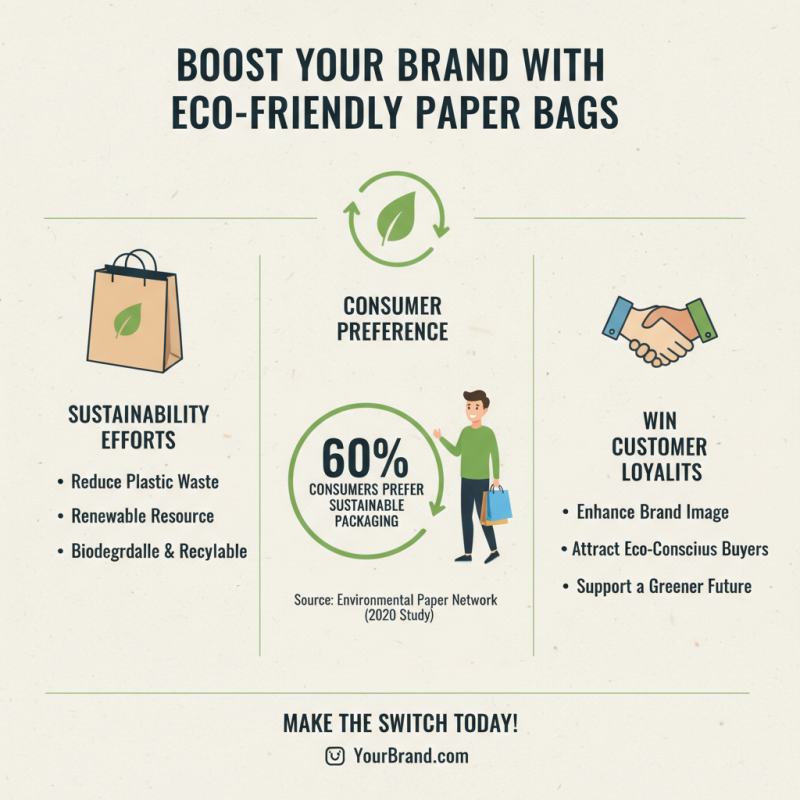
Don't overlook the importance of eco-friendliness. Many consumers today prefer sustainable options. Using recycled materials can set your brand apart. However, be mindful of the quality. A poorly made bag can send the wrong message. Striking the right balance can be challenging. Your choices should reflect both your values and customer expectations.

Understanding the Importance of Large Paper Bags for Your Business
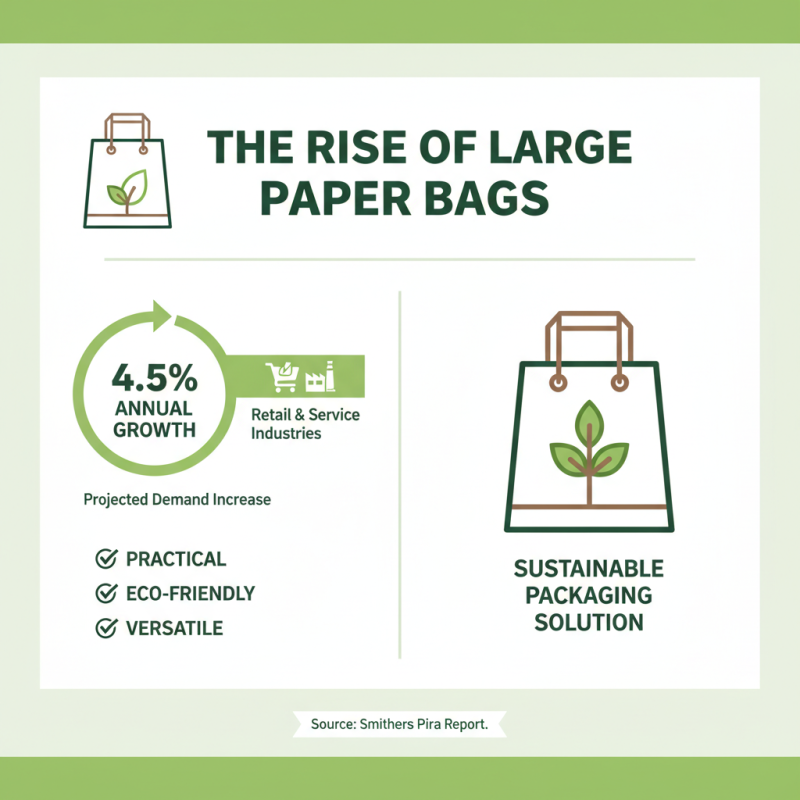
Large paper bags have become a staple for many businesses. They provide a practical solution for carrying goods while being environmentally friendly. According to a report by Smithers Pira, the demand for paper bags is projected to grow by 4.5% annually, highlighting their rising importance in retail and service industries.
Using large paper bags can boost your brand’s image. They convey a commitment to sustainability. Eco-conscious consumers prefer brands that reflect their values. A study from Nielsen indicates that 73% of Millennials are willing to pay more for sustainable products. This growing trend emphasizes the need for businesses to adopt greener practices.
However, finding the right large paper bags can be challenging. Many businesses overlook essential factors like durability and design. Poor quality bags can compromise product safety and diminish customer satisfaction. A well-made bag creates a better unboxing experience. Yet, many brands ignore this crucial aspect, leading to missed opportunities in customer loyalty.
Identifying Your Business Needs for Paper Bags
When choosing large paper bags, identifying your business needs is crucial. What exactly do you require? Consider the type of products you sell.
For example, if you sell clothing, bags must be spacious and sturdy. Will your customers carry heavy items? The material’s weight capacity matters here. You may need thicker paper for heavier products.
Think about how your paper bags will showcase your brand. Do you want simple designs or something eye-catching? Reflecting your brand identity in bags can enhance customer experience. Don't ignore color choices; they can evoke emotions and influence purchases.
Also, consider your target market. Are your customers environmentally conscious? Opting for eco-friendly options may attract more buyers.
However, sometimes budget constraints limit your choices. Balancing quality and cost is essential but tricky.
Test different styles and sizes to understand what works best. It can feel overwhelming, but the right bag will define your brand's packaging strategy.
Evaluating Different Sizes and Capacities of Large Paper Bags
When selecting large paper bags for your business, size and capacity are crucial. The right dimensions ensure you can fit your products comfortably. According to a 2022 industry report, 45% of consumers prefer bags that can hold multiple items. This trend highlights the importance of offering varying sizes.
Choose bags with a capacity tailored to your products. For example, a standard bag holds about 10 pounds. Evaluate your inventory to decide what dimensions will work best. Larger bags might seem ideal but can lead to waste if underfilled. Alternatively, smaller bags may not provide enough space, leading to dissatisfaction.
Tip: Always test different sizes before committing. You might discover that a medium bag is more popular than either extreme. Monitor customer feedback closely. Adjust as needed. It’s essential to reflect on your choices. Sometimes, what looks great in theory doesn’t work well in practice. Balancing size, capacity, and customer preferences is an ongoing process that needs attention.
Comparing Costs and Quality Among Various Suppliers for Paper Bags
When selecting large paper bags, evaluating costs and quality is essential. Various suppliers offer different pricing structures, making it challenging to find the best option. It is crucial to compare their rates closely. Some may appear cheaper but compromise on paper quality. Thinner paper might save money but can lead to customer complaints. A bag should hold its shape, especially when carrying heavy items.
Quality assurance should not be overlooked. Check if the bags are eco-friendly. Customers appreciate sustainable choices. Ask suppliers for samples to gauge quality. Inspect the sturdiness and texture. A flimsy bag can ruin your brand image. Additionally, consider the printing options available. A vibrant logo or design can enhance your business's appeal.
Don’t settle for the first supplier you find. Missteps here can cost time and resources. Be patient in your search. Research testimonials and seek references. While it might feel daunting, the effort can lead to better partnerships. Reflect on if the bags align with your brand values. Balancing cost and quality takes time, but making informed decisions will pay off.
Comparison of Costs and Quality for Large Paper Bags



 WeChat QR
 WhatsApp QR