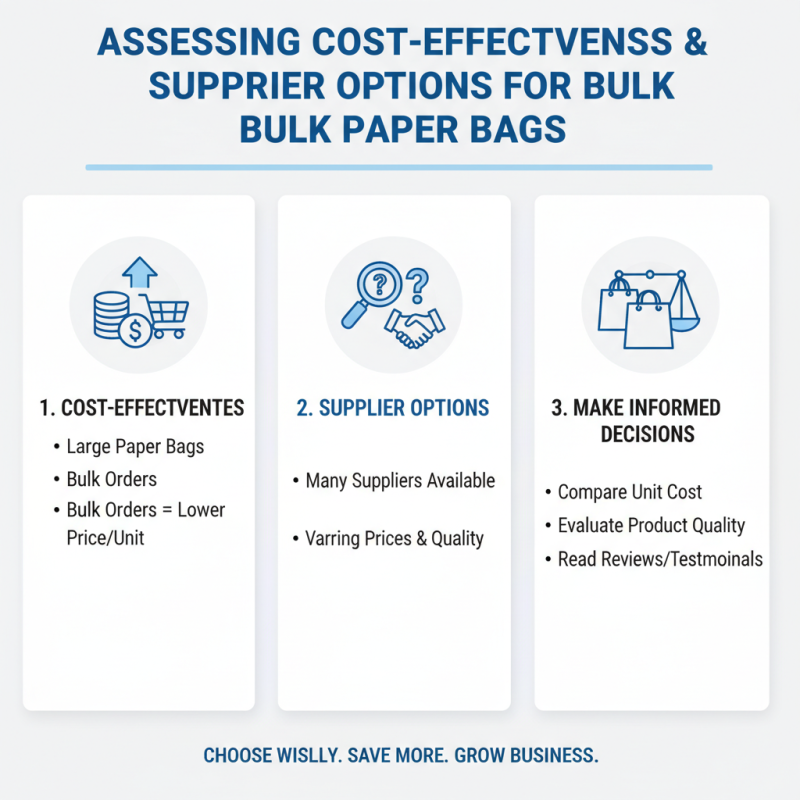
How to Choose the Right Large Paper Bags for Your Business Needs?
Choosing the right large paper bags can significantly impact your business. These bags serve various purposes, from packaging to branding. When selected wisely, they enhance customer experience and reinforce your brand identity.
Large paper bags come in various shapes, sizes, and designs. It’s essential to consider factors such as durability and aesthetics. A sturdy design is crucial for holding weight. Customers appreciate a bag that can handle their purchases without tearing. Color and branding also matter. A well-designed bag can create a positive impression. If the bag is bland, it might fail to attract attention.
However, not every option will fit every business. It can be challenging to find the perfect match. Some businesses may overlook environmental considerations. Sustainability is important today. Using recyclable materials can appeal to eco-conscious consumers. As you navigate the choices, reflect on your brand’s values and customer expectations. Take your time in selecting the right large paper bags.
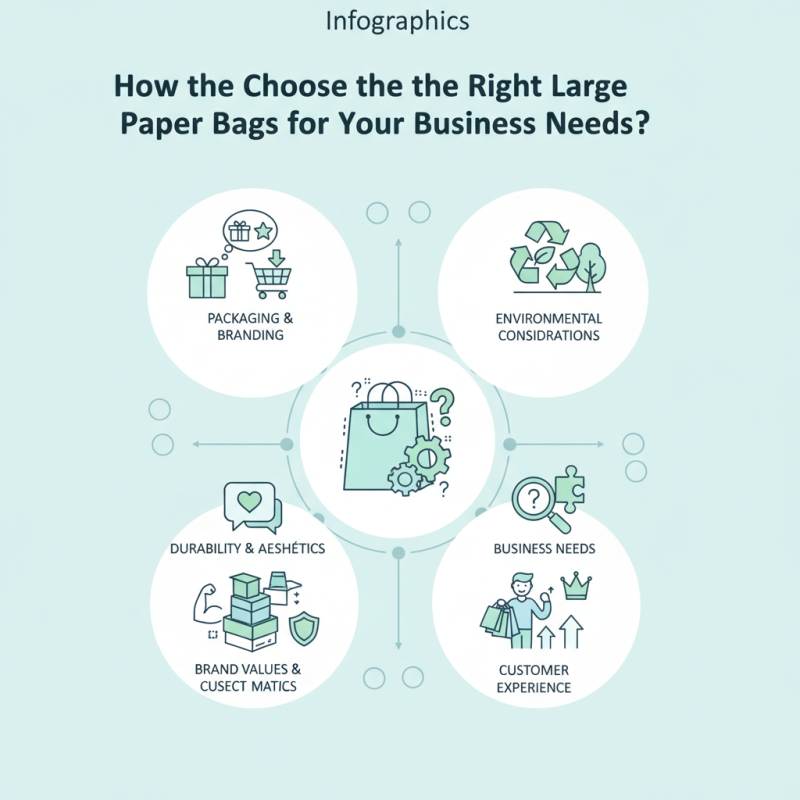
Understanding the Purpose of Large Paper Bags for Your Business
Large paper bags serve vital purposes for various businesses. They are not just containers; they enhance branding. According to a 2022 survey, 66% of consumers prefer paper bags due to their eco-friendliness. Many people associate large paper bags with quality and sustainability. This perception can directly affect customer choices.
For retail stores, these bags can increase visibility. A well-designed bag promotes the brand during transit. Research shows that 70% of shoppers notice logos on bags while walking. This repetition can aid in brand recall. However, choosing the wrong size or style may hinder this benefit. Oversized bags can create a disorganized appearance. Undersized bags may not meet customer needs.
In food businesses, large paper bags also create memorable experiences. They keep items secure while projecting a sense of care. The food industry reported a 30% increase in customer satisfaction using sturdy paper bags. Yet, the texture and design must appeal to customers. If the bags feel flimsy or cheap, it can lead to negative perceptions. These details matter more than many businesses realize. Reflecting on these elements can help choose the right bags for better engagement.
Sales of Large Paper Bags by Type in 2023
Evaluating Material Options for Durability and Sustainability
When choosing large paper bags, material options play a crucial role.
Durability is essential for daily use, especially in retail.
Paper bags should withstand weight without tearing. Kraft paper is a popular choice. It’s strong
and often recyclable. However, not all Kraft paper is created equal. Some varieties can be flimsy. Always
check weight ratings.
Sustainability is another key factor. People are
increasingly eco-conscious. Recycled paper bags can reduce environmental
impact. But, sourcing matters. Make sure the materials come from responsible suppliers. Look for
certifications that indicate eco-friendly practices. Avoid cheap options that might not be sustainable.
Tips: Choose bags with a weight capacity that suits your items. Test the bags by filling them with various loads.
This will highlight any weaknesses. Explore options for customization, too. It might be worth it for your branding.
Reflect on your choices. Are the materials truly sustainable? Make informed decisions for your business and the planet.
Determining the Right Size and Capacity for Your Needs
Choosing the right size and capacity for large paper bags is crucial for your business. A study by Smithers Pira indicates that the global demand for paper bags is projected to grow at a CAGR of 4.1% through 2024. This growth highlights the importance of selecting bags that meet your specific needs.
When determining the right size, consider the products you sell. Measure the dimensions of your items carefully. A bag should provide enough space without being excessively large, causing waste. For instance, if you sell clothing, opt for bags that comfortably fit multiple garments. If your products are smaller, smaller bags might suffice.
Tip: Always test your bags before bulk ordering. Fill them with your products to check weight capacity. Don’t overlook the design and sturdiness, as these contribute to customer satisfaction.
Capacity is another critical factor. Depending on customer preferences, offering various bag sizes can attract more buyers. However, larger bags may not always be necessary. Research shows that around 30% of customers prefer smaller bags for easy handling.
Tip: Analyze your sales data. Identify which sizes are most frequently used. This can help you avoid overstocking what doesn't sell, leading to wasted materials. Consider this when deciding your next order.
Exploring Design Customization to Enhance Brand Identity
When considering large paper bags for your business, design matters. A well-designed bag can communicate your brand's identity effectively. According to recent studies, 72% of consumers believe packaging design influences their purchasing decisions. This is especially true in retail sectors where competition is fierce. Customization of large paper bags can enhance visibility and promote brand loyalty.
Choosing colors, shapes, and finishes that reflect your brand is crucial. Research shows that colors can increase brand recognition by up to 80%. Simple designs often create a memorable impression. However, many businesses still struggle with design consistency across various products. Some brands make the mistake of overcomplicating their bag designs, which can dilute brand messaging.
It’s essential to strike a balance between aesthetics and functionality. While creativity is important, ensuring the bags are user-friendly is vital too. An intricate design may look appealing but may not protect the contents well. According to industry data, 45% of consumers have experienced issues with bag durability. Constantly evaluating your design choices can lead to better packaging solutions. In the end, the right paper bags can become a powerful marketing tool.








 WeChat QR
 WhatsApp QR