

Leave Your Message

What Are the Best Small Paper Bags for 2026?

Small Paper Bags seem simple, but the right choice can protect products, support a brand, and make checkout easier. In 2026, buyers are comparing more than color and price. They are weighing dimensions, paper strength, handle comfort, print quality, and intended use. A bag for jewelry or cosmetics needs a different balance from one carrying pastries or heavier retail items. Small details matter.

This guide looks at features that matter for shops, events, gifts, and food service. It considers common paper weights, flat and twisted handles, gusset depth, closure options, and practical sizing. A good fit leaves enough room for the product without wasting material or letting it shift. Test samples with actual items. Feel the handle. Check the bottom seam. Photos can hide small flaws, and supplier specifications may vary. I would not choose by appearance alone; that is an easy mistake.

Sustainability claims deserve careful reading, too. Recycled content, responsibly sourced fibers, and recyclability can vary by product and local collection systems, so check supplier details instead of relying on broad labels. No single bag suits every business. The strongest choice balances durability, presentation, cost, and a realistic end-of-use plan. The sections ahead offer a practical way to compare options, ask suppliers useful questions, and choose Small Paper Bags with confidence. Packaging is rarely one-size-fits-all.

What Are the Best Small Paper Bags for 2026?

What Defines a Small Paper Bag and Where Is It Used?

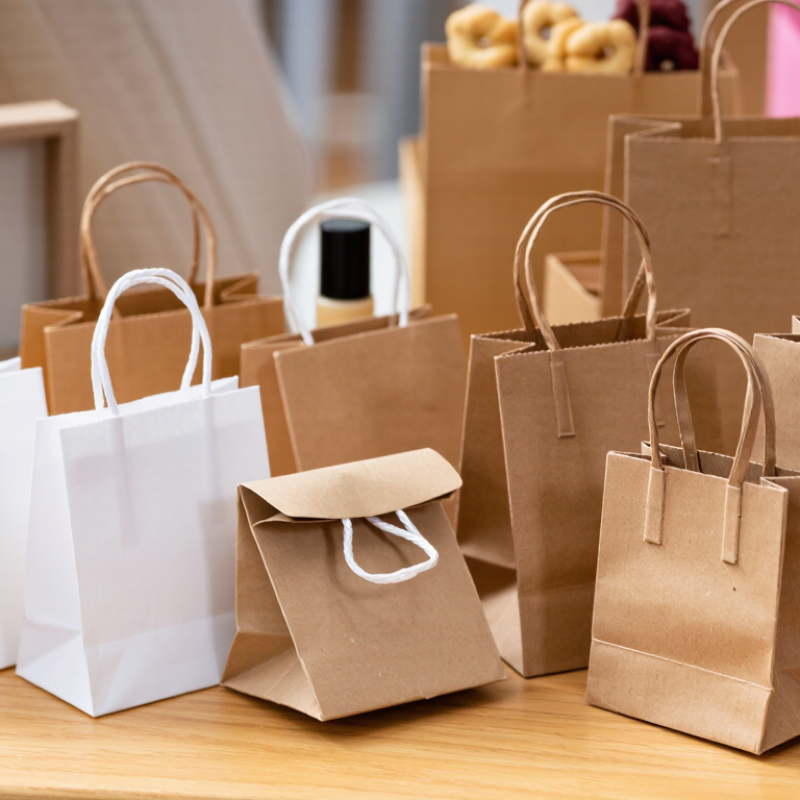
A small paper bag is a compact paper carrier designed for a few lightweight items, rather than a full grocery load. There is no single size that defines “small”; dimensions and capacity vary by supplier and intended use. A bag roughly suited to a paperback, a pastry box, or a few cosmetics may be considered small in one setting and medium in another. Small is relative.

These bags appear at bakeries, cafés, gift shops, market stalls, and retail counters. A flat-bottom bag can hold a small takeaway order upright, while a gusseted style expands to fit folded clothing or several packaged goods. Paper handles make carrying easier, but they can loosen when damp or overloaded. For delicate items, a snug fit and a clean interior matter more than decorative printing.

Choosing a small bag means checking the actual product dimensions, weight, and closure—not relying on the label alone. Kraft paper offers a plain, sturdy look; smoother paper can suit presentation-focused purchases. Recycled content and coatings also affect feel and disposal options, so confirm the specifications instead of assuming all paper bags are alike. It is easy to focus on appearance. Capacity is less glamorous, but a bag that splits at the counter is not useful.

Which Small Paper Bag Styles Suit Different Products?

Flat, open-top paper bags suit greeting cards, tea sachets, and small soaps. Their slim profile reduces shelf clutter, but the paper can crease easily. Choose a square-bottom or gusseted style for pastries, small jars, and boxed goods; the widened base helps products stand upright. Keep the base firm. For bakery items, confirm grease resistance and food-contact suitability with the supplier. A twisted-handle bag works better for a heavier candle or compact gift, while a handle-free bag often fits counter purchases.

Material choice matters beyond appearance. The U.S. EPA’s Advancing Sustainable Materials Management: 2018 Fact Sheet reported an 80.9% recycling rate for paper and paperboard containers and packaging in the United States. That is a national category figure, not a small-bag recovery rate; local collection rules, coatings, and food residue can change outcomes. The report is older, too. For a 2026 order, check current local guidance and request paper weight, recycled-content, and barrier details before choosing. A glossy finish may look polished, yet it can complicate the end-of-life story. Small details matter.

What Are the Best Small Paper Bags for 2026? — Which Small Paper Bag Styles Suit Different Products?

Bag Style Typical Example Size (W × Gusset × H) Products It Suits Common Material and Features Best For Selection Consideration
Flat paper bag About 4 × 6 in (10 × 15 cm); usually no gusset Greeting cards, postcards, small prints, jewelry cards, and lightweight accessories Uncoated kraft or white paper; flat sides and a simple open top Compact, lightweight items that do not need a wide base Check the item’s width and thickness; flat bags have limited capacity and do not stand open by themselves.
Small SOS (self-opening square) bag About 5 × 3 × 9 in (13 × 8 × 23 cm) Cookies, small snacks, takeaway sides, and lightweight groceries Usually kraft paper with a flat bottom and expandable side gussets Food and retail items that need a bag to open and stand upright For direct food contact, choose a bag specifically made for that use; size and paper weight affect load capacity.
Twisted-handle paper shopping bag About 8 × 4 × 10 in (20 × 10 × 25 cm) Small boxed gifts, cosmetics, books, folded apparel, and boutique purchases Kraft or coated paper, side gussets, a reinforced top fold, and twisted-paper handles Hand-carry retail purchases that benefit from a more substantial presentation Compare the bag’s stated load rating with the product weight; handle attachment and bottom reinforcement matter.
Flat-bottom bakery bag About 6 × 3 × 10 in (15 × 8 × 25 cm) Pastries, rolls, small loaves, and boxed bakery portions Kraft paper, a flat base, and a gusseted body; some versions include a viewing window Bakery items that need a stable base and room for gentle handling Choose a food-contact-compliant bag. A window or lining should suit the product’s moisture and grease levels.
Grease-resistant paper bag About 6 × 2 × 8 in (15 × 5 × 20 cm) Cookies, fried snacks, pastries, and other small oily or buttery foods Grease-resistant paper or a suitable food-grade barrier treatment Reducing visible oil transfer for suitable takeaway foods Grease resistance does not automatically mean leakproof or suitable for every hot, wet, or high-fat food.
Small merchandise bag with ribbon or cord handles About 6 × 3 × 8 in (15 × 8 × 20 cm) Small gifts, accessories, cosmetics, and event favors Often heavier kraft or coated paper with a reinforced top and decorative handles Gift presentation where appearance is as important as carrying convenience Decorative handles may not be designed for heavy loads; check the construction and intended use.

Note: Sizes shown are illustrative examples, not industry standards. Actual dimensions, capacity, paper weight, food-contact suitability, and load limits vary by manufacturer and bag construction. Measure the product, including any packaging, before selecting a size.

How Do Paper Weight, Handles, and Finishes Affect Performance?

What Are the Best Small Paper Bags for 2026?

Small bags perform well when their paper weight matches the load. For cards, pastries, or a few cosmetics, lightweight paper keeps costs and bulk down. A glass jar or several dense items need heavier stock and a firm bottom fold. Test with the actual product; a bag that looks sturdy on a desk may split at its side seam. Paper weight alone is not a guarantee.

Handles change how a bag feels in use. Twisted-paper handles suit everyday carrying, while flat handles can sit comfortably against the hand for lighter purchases. Check the attachment points by lifting a filled sample several times. If the handles pull unevenly, the bag may tilt. That detail is easy to miss. Finishes matter, too: matte surfaces hide small scuffs, while gloss can make colors look sharper but show scratches. A coating may also affect recycling options, so confirm local collection guidance rather than assuming.

Tips: Match bag size closely to the item, leaving room for easy loading without letting contents slide. Try a filled sample during a short walk. Damp hands, sharp corners, and a rushed checkout can reveal weaknesses that a showroom test misses. I would not choose solely by appearance; neat-looking bags can still crease at the base after repeated handling. That is worth checking before ordering a large quantity.

What Features Matter Most When Choosing Small Paper Bags in 2026?

What Are the Best Small Paper Bags for 2026?
What Features Matter Most When Choosing Small Paper Bags in 2026?

Choosing small paper bags starts with matching size and strength to the item. A bag for a candle or pastry needs enough depth and a stable base, while a tiny jewelry box may need less material. Check the bag’s stated dimensions, including gusset width, rather than judging by a product photo. Paper weight matters, but construction matters too. A neatly folded bottom and firmly attached handles help prevent spills during everyday carrying. Test before ordering.

Consider the surface and finish as well. A smooth, coated bag can resist light scuffs, but coatings may affect recyclability, depending on local facilities. Uncoated paper often feels natural and accepts simple labels, though it can mark more easily when damp. Handles should feel comfortable when loaded, not just look attractive on a shelf. Ask for a sample and inspect its seams, print clarity, and performance with the actual item. Small details matter. No single bag suits every use, and choosing the lightest option can be a poor trade-off if it tears.

Tips: Test one filled bag by lifting it, carrying it briefly, and setting it down. Check whether the base stays flat and the handles remain secure. Compare samples under the lighting where customers will see them. Also confirm that bag dimensions fit the product without excessive empty space.

What Are the Best Small Paper Bags for 2026?

Paper basis weight is one useful comparison point when choosing a small paper bag.

Higher basis weight means more paper per unit area, but it does not guarantee a specific carrying capacity. Bag size, paper type, construction, handles, and moisture also affect performance. Check the supplier’s load rating and test the bag with its intended contents.

How Do Cost, Sustainability, and Customization Compare?

For 2026, the best small paper bag depends on what it must carry, how often it will be used, and what customers expect. A compact kraft bag suits cards, cosmetics, or a wrapped pastry. Size matters. Too much extra space can waste paper and make small items shift around. Check the bag’s dimensions, handle strength, and stated weight capacity before comparing prices.

Cost is more than the price per bag. Thicker paper and reinforced handles may cost more upfront but can reduce tearing and replacement. Smaller orders with custom printing often have a higher unit cost, while larger runs may lower it. Yet ordering too many can leave you with outdated designs. I would not treat the cheapest quote as the best value without checking freight, minimum quantities, and print setup fees.

Sustainability depends on materials and actual use. Recycled content can reduce demand for virgin paper, but ask suppliers for clear material details rather than relying on vague claims. Paper is not automatically a better choice if bags are heavily coated or rarely reused. For customization, a simple one-color logo or stamp can keep costs and ink use modest. Test the design on a sample first; tiny text may blur, and natural paper can vary in shade. A little imperfection is possible. That matters.