Best Paper Grocery Bags for Eco-Friendly Shopping Solutions?
The demand for eco-friendly shopping solutions has surged in recent years. Consumers are increasingly aware of their environmental impact. This shift drives the popularity of Paper Grocery Bags. According to a report by the Paper and Packaging Product Environmental Council, paper bags are recyclable and biodegradable—attributes that appeal to eco-conscious shoppers.
Industry expert, Dr. Emily Green, emphasizes, "Switching to Paper Grocery Bags is a vital step toward sustainable shopping." Her insights highlight a growing trend in preferences for paper over plastic. With an estimated 70% of consumers favoring sustainable packaging, it's clear that paper bags are becoming the standard in retail.
However, challenges remain. Not all paper bags are created equal. Quality varies significantly among manufacturers. Consumers might encounter inferior options that don't hold up during use. Consequently, recognizing reliable brands is crucial. As the market evolves, ongoing education about the best Paper Grocery Bags should remain a priority. Balancing sustainability with practicality is key to fostering responsible consumer behavior.
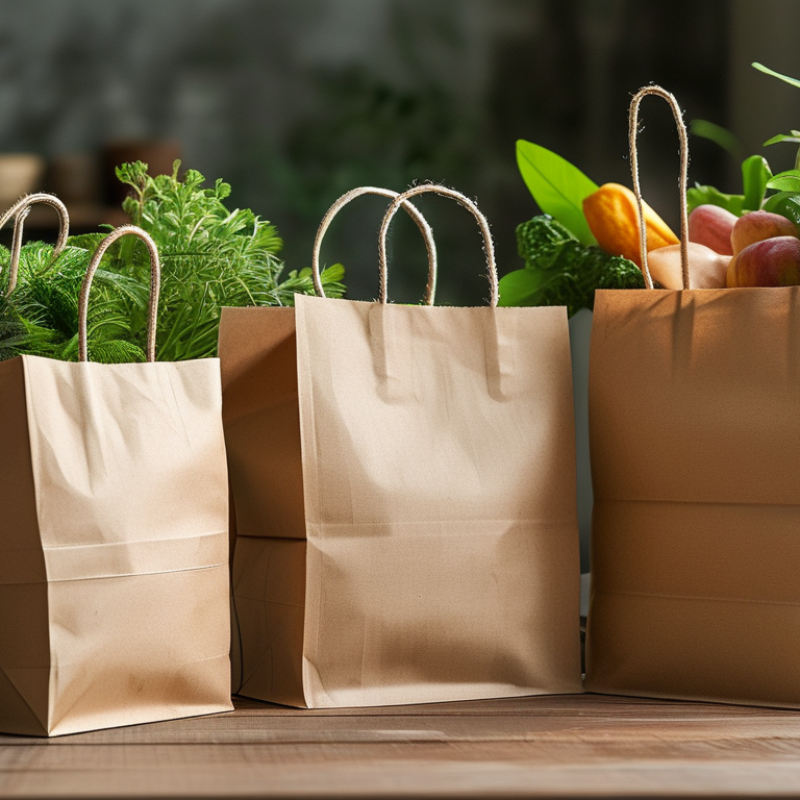
Overview of Paper Grocery Bags and Their Environmental Impact
Paper grocery bags have gained popularity in recent years as an eco-friendly alternative to plastic. They are made from renewable resources and are often recyclable. However, it's important to consider their manufacturing process. Producing paper bags requires significant amounts of water and energy. The impact of deforestation for raw materials can also be concerning.
Many consumers assume paper bags are always better for the environment. Yet, their benefits depend on usage. If a paper bag is used multiple times, it can be more sustainable than a single-use plastic bag. However, if it is discarded after one use, the environmental impact is greater. Thoughtful decisions on bag choices can significantly affect waste reduction.
Despite the advantages, paper bags are not without flaws. Some might argue that they still produce waste when disposed of improperly. There’s also the issue of durability; paper can tear easily, leading to spillage. These drawbacks require us to rethink our shopping habits. Balancing convenience with environmental responsibility is crucial. A critical approach can lead to better choices for both consumers and the planet.
Best Paper Grocery Bags for Eco-Friendly Shopping Solutions
| Bag Type |
Size (Dimensions) |
Weight Capacity |
Material Type |
Recyclability |
Price Range ($) |
| Flat Paper Bag |
12"x7"x15" |
10 lbs |
Kraft Paper |
Yes |
0.50 - 1.00 |
| Gusseted Paper Bag |
10"x5"x13" |
15 lbs |
Recycled Paper |
Yes |
0.60 - 1.20 |
| Handle Paper Bag |
14"x8"x18" |
20 lbs |
Brown Paper |
Yes |
0.75 - 1.50 |
| Reinforced Bottom Paper Bag |
16"x6"x12" |
25 lbs |
Heavyweight Kraft Paper |
Yes |
1.00 - 2.00 |
| Eco-Friendly Printed Bag |
12"x8"x15" |
12 lbs |
Sustainable Paper |
Yes |
0.80 - 1.70 |
Types of Eco-Friendly Paper Grocery Bags Available on the Market
In today's eco-conscious world, paper grocery bags are becoming increasingly popular. These bags come in various types, each serving unique purposes. Recycled paper bags are made from post-consumer waste. They offer a sturdy option for carrying groceries while reducing landfill waste. Many stores are now opting for these bags, showing a commitment to sustainability.
Another type is kraft paper bags. Known for their durability and biodegradable nature, these bags often have a smooth surface. Some may include a water-resistant coating, making them suitable for both dry and wet items. They can be reused multiple times, which adds to their eco-friendliness. However, the production process should also be considered.
Additionally, some paper grocery bags have handles. These types are designed for convenience. They make carrying heavier items easier. While they are practical, their manufacturing can still impact the environment. Consumers should reflect on whether the convenience of handles justifies the potential environmental cost. Overall, exploring different types of eco-friendly paper grocery bags allows for more informed shopping choices.
Key Features to Consider When Choosing Paper Grocery Bags
Choosing the right paper grocery bag is crucial for an eco-friendly shopping experience. When selecting, consider bag durability. A strong bag reduces the risk of tearing. According to a 2022 industry report, paper bags can handle up to 10% more weight than typical plastic alternatives. This makes them ideal for carrying heavier items.
Another aspect to evaluate is the bag's material. Look for bags made from recycled paper. These options contribute to sustainability. A study indicated that recycled paper bags have a lower environmental impact compared to newly produced ones, reducing energy consumption by nearly 40%. The design is important too. Opt for bags with reinforced handles. They offer added strength and prevent strain during transport.
Size should not be overlooked. A variety of sizes caters to different shopping needs. Some consumers may find larger bags cumbersome. Smaller ones risk not fitting all their items. The balance between size and functionality is key. Reflect on the usage frequency; bags used regularly can wear out faster. Therefore, choosing wisely ensures value for your investment while supporting environmental efforts.
Best Paper Grocery Bags for Eco-Friendly Shopping Solutions
This chart represents the key features to consider when choosing the best eco-friendly paper grocery bags. Each feature is rated on a scale of 1 to 10, highlighting the importance of durability, eco-friendliness, cost, capacity, and weight in selecting a paper grocery bag for sustainable shopping solutions.
Benefits of Using Paper Grocery Bags for Shopping
Paper grocery bags are gaining popularity for their eco-friendly attributes. A study by the Sustainable Packaging Coalition found that paper bags are made from renewable resources. This gives them a lower environmental impact compared to plastic bags. Paper is biodegradable and compostable, breaking down naturally without harming wildlife.
Moreover, paper bags can carry more weight than many assume. They can hold up to 10-15 pounds of groceries easily. Research shows that consumers using paper bags report feeling a sense of satisfaction. They believe they are making a positive choice for the environment. However, the production of paper bags requires natural resources. It is essential to consider the entire lifecycle of these products.
While they present many benefits, paper bags have drawbacks. They can be more expensive to produce compared to plastic bags. Various reports indicate that manufacturing requires more energy. High-quality paper bags are often more durable, but cheap alternatives may not last. Reflecting on these aspects can lead to better shopping choices.
Tips for Properly Disposing and Recycling Paper Grocery Bags
Proper disposal and recycling of paper grocery bags are crucial for sustainable shopping solutions. While many people use paper bags, fewer know how to dispose of them correctly.
According to the American Forest & Paper Association, about 70% of paper bags can be recycled. However, contamination from food or plastic lining can reduce this number significantly. Ensuring bags are clean before recycling increases their chances of being processed effectively.
When recycling, check local guidelines. Some areas might not accept paper bags in curbside bins. Instead, dedicated drop-off locations may be available. The Environmental Protection Agency indicates that recycling paper can save energy and reduce carbon emissions, making correct disposal even more important. It takes about 60% less energy to recycle paper than to produce new paper. This highlights the need for awareness surrounding proper recycling methods.
Sadly, many consumers still treat paper bags carelessly. The misconception that all paper products are recyclable without checking their condition leads to wastage. Reflecting on disposal practices can lead to improved habits. Emphasizing local resources for recycling can educate others. By spreading awareness, communities can foster a culture of recycling, benefiting both the environment and future generations.



 WeChat QR
 WhatsApp QR