Discover the Best Paper Grocery Bags in China for Eco Friendly Shopping?
In recent years, the demand for eco-friendly products has surged. Consumers are becoming more conscious of their environmental impact. Paper grocery bags stand out as a sustainable alternative. They are biodegradable and reduce plastic waste. This is crucial in addressing global environmental challenges.
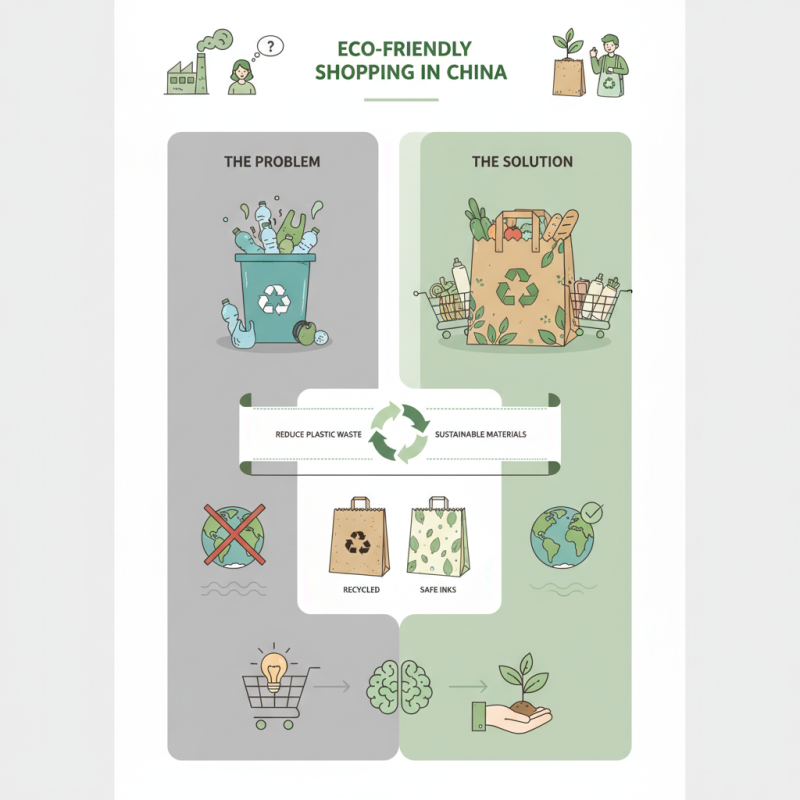
In China, a variety of paper grocery bags are readily available. Some are designed for durability, while others focus on aesthetics. The range includes stylish bags suitable for different shopping needs. However, not all options live up to eco-friendly standards. It's essential to choose bags made from recycled materials and safe inks. This choice reflects a commitment to sustainability.
Reflecting on our shopping habits is important. We must evaluate whether we prioritize convenience over environmental responsibility. There is a need for better awareness surrounding paper grocery bags. Understanding their impact can lead to more informed purchasing decisions. Embracing eco-friendly options is a step toward a healthier planet.
Understanding the Importance of Eco-Friendly Paper Grocery Bags
Eco-friendly paper grocery bags have become increasingly important in today's shopping environment. Many consumers are now aware of the need to reduce plastic waste. These bags are biodegradable, which means they break down naturally. This can significantly lessen the carbon footprint associated with shopping.
However, not all paper bags are created equal. Some might still use harmful inks or dyes. When choosing a bag, look for those made from recycled materials. You may also want to check whether the production process follows sustainable practices. Each choice we make has an impact.
**Tips:** Look for local suppliers for better quality. Research the bag materials before purchasing. Consider how many times you’ll use the bag. Small changes can lead to big improvements in environmental health.
Eco-Friendly Paper Grocery Bags Usage in China (2023)
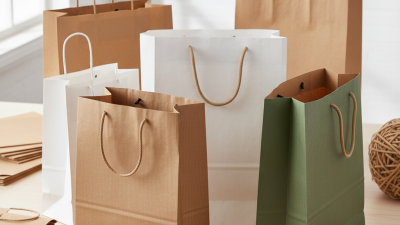
Types of Paper Grocery Bags Commonly Used in China
In China, various types of paper grocery bags are becoming popular for eco-friendly shopping. These bags are often crafted from recycled materials, aligning with the country’s sustainability efforts. They can be found in diverse sizes, catering to different shopping needs. Some bags are designed for light groceries, while others can hold heavier items without tearing.
The most common type is the flat paper bag. This design is simple yet effective. It may not offer much in terms of structure, but it fulfills the basic need for carrying goods. Then, there are the kraft paper bags, which are sturdier and more flexible. They can withstand weight better, making them ideal for bulk items. However, their durability can vary based on how they are manufactured.
Another option is the paper bag with handles. These bags provide extra convenience. Shoppers appreciate how handles make transporting items easier. Yet, many still wonder if the added features justify the higher price. Understanding these options helps consumers make informed choices. Finding the right balance between functionality and environmental impact often requires consideration.
Top Brands Offering Quality Paper Grocery Bags in China
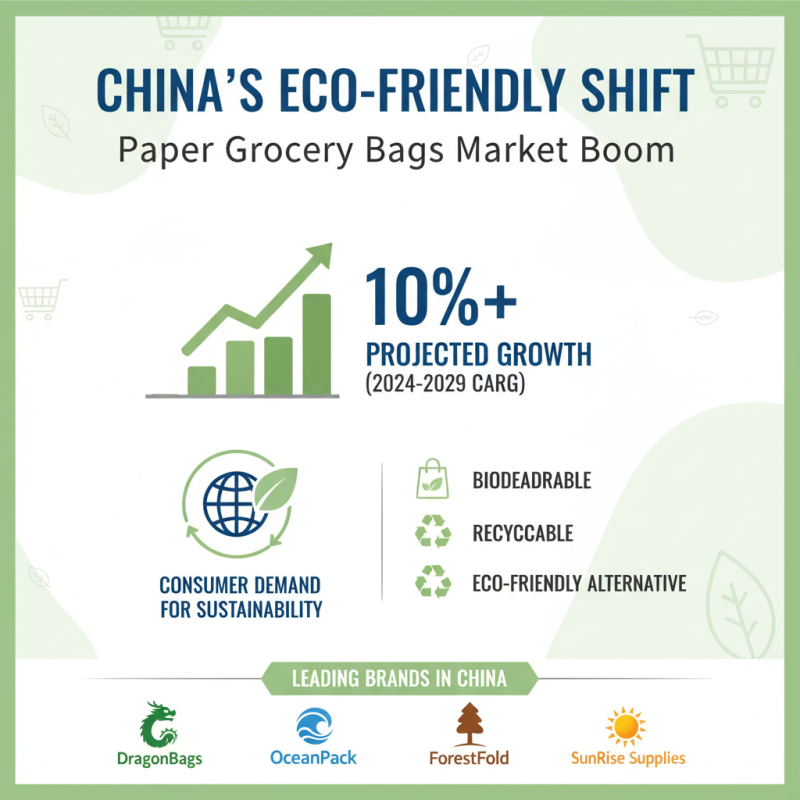
In China, the demand for eco-friendly shopping solutions is surging. The growth of the paper grocery bag market reflects this shift. According to a recent industry report, the Chinese paper bag market is projected to grow at a compound annual growth rate (CAGR) of over 10% in the next five years. Many consumers are now prioritizing sustainability in their purchasing decisions. Paper grocery bags are not only biodegradable but also recyclable.
Several top brands dominate the industry, offering products made from renewable resources. They focus on quality and design. Many bags are crafted from sturdy materials. This durability supports multiple uses, promoting a sustainable lifestyle. However, there are challenges. Not all paper bags are created equal. Some may not decompose as effectively, raising questions about their environmental impact.
Despite the growing options, consumers should be critical. Research found that nearly 30% of paper bags are still linked to environmentally harmful practices. It’s crucial to choose brands that prioritize transparency and sustainability. The increasing variety signifies progress, but informed purchasing remains essential. Being eco-conscious involves understanding the lifecycle of products we choose.
Comparison of Prices and Sustainability Features
In recent years, paper grocery bags have gained popularity in China for eco-friendly shopping. These bags are often made from recycled materials and are biodegradable. When comparing prices, consumers may find that eco-friendly options can sometimes be more expensive than traditional plastic bags. However, the long-term benefits for the environment often justify the cost difference.
Sustainability features are a key aspect when evaluating paper bags. Many brands boast sturdy construction, ensuring they can handle heavier items. The manufacturing process also plays a critical role; some companies use water-based inks, reducing harmful emissions. However, not all paper bags are created equal. Some may contain chemicals that compromise their eco-friendliness. Shoppers must examine labels and product claims carefully.
While the transition to paper bags is encouraging, challenges remain. A significant number of consumers still prefer the convenience of plastic. There is a need for ongoing education about the benefits of paper bags. Encouragingly, local communities are starting to advocate for sustainable choices. The journey towards a greener shopping experience continues, despite some hesitation and reluctance in adjusting old habits.
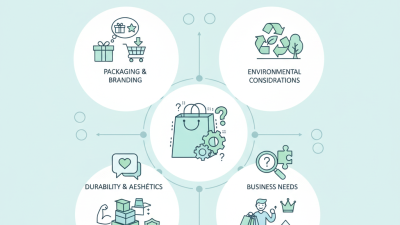
Tips for Choosing the Right Paper Grocery Bag for Your Needs
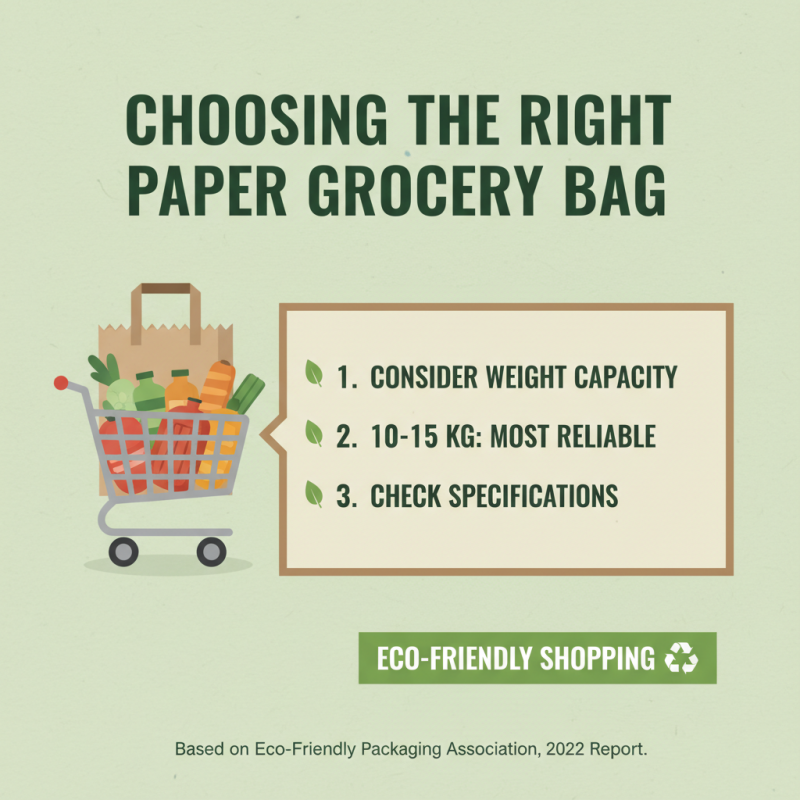
When selecting paper grocery bags for eco-friendly shopping, consider the weight capacity. Many studies indicate that bags with a higher weight limit typically use sturdier paper. According to a 2022 report by the Eco-Friendly Packaging Association, bags with a weight capacity of 10-15 kilograms are most reliable. This ensures they can hold more items without tearing. Always check the specifications before making a purchase.
Another essential factor is the bag's sustainability features. Look for bags made from 100% recycled paper or sourced from sustainably managed forests. Research from the Green Packaging Initiative shows that consumers increasingly prefer packaging that reduces environmental impact. The right bag should also be biodegradable to ensure it breaks down naturally.
Mind the bag's size too. Adequate dimensions make carrying groceries easier. Many fail to consider that large bags can become cumbersome when filled to capacity. Also, smaller bags may limit your shopping options. It's worth reflecting on these details to find a balance between size, capacity, and eco-friendliness.




 WeChat QR
 WhatsApp QR